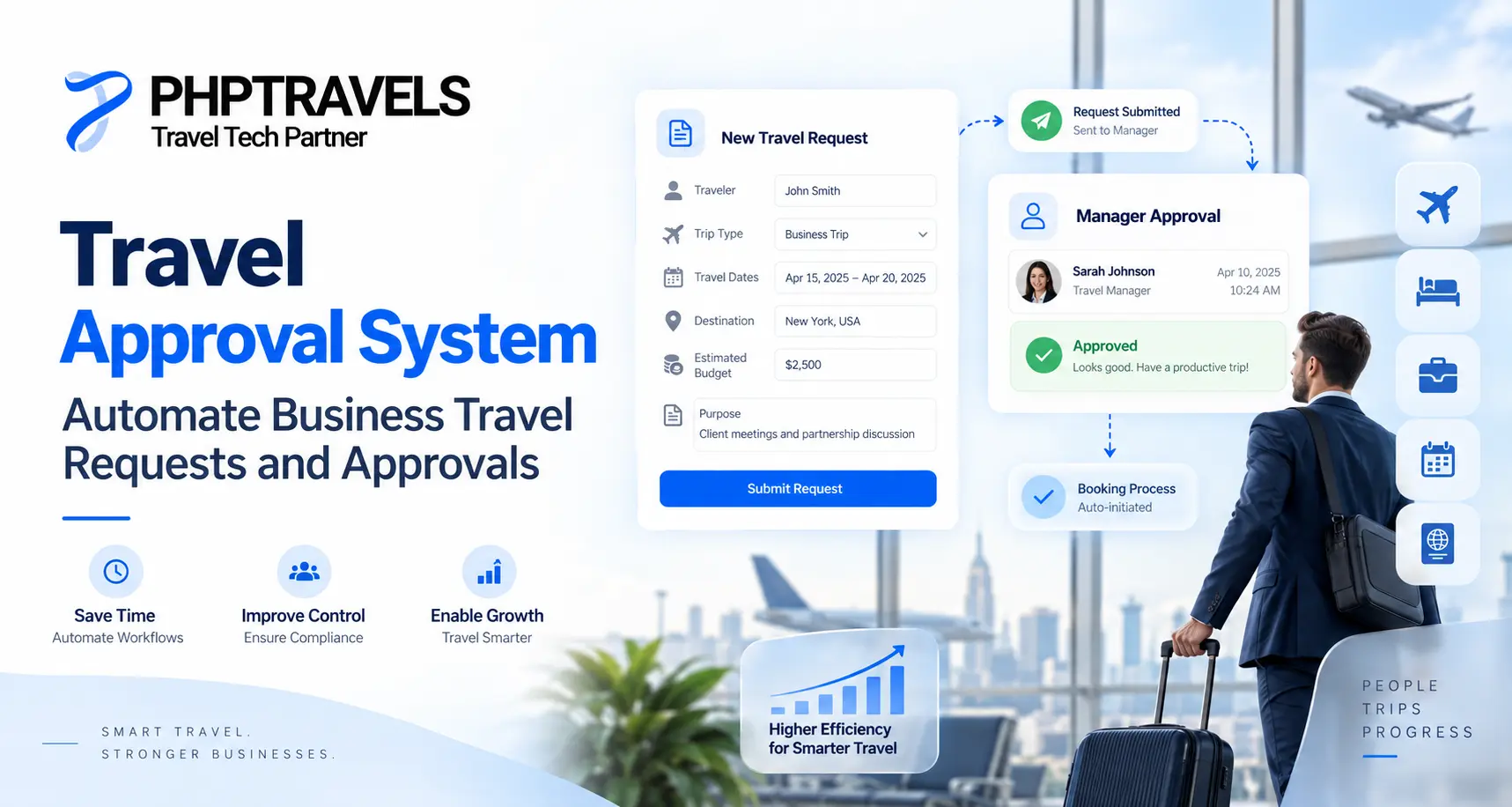

An Airline Management System (AMS) is a complete software platform used by airlines to manage flight operations, bookings, crew scheduling, pricing, and revenue optimization in real time.
An airline management system is an integrated software platform designed to handle end-to-end airline operations, from reservations and revenue management to crew scheduling and analytics. Unlike traditional systems, modern AMS solutions are cloud-based, scalable, and integrated with GDS, NDC, and travel APIs, enabling airlines to deliver real-time services to customers and agents worldwide.
Explore the PHPTRAVELS Airline Management System to see how you can transform your operations.
What you’ll learn
In this guide, you will understand how a modern Airline Management System (AMS) works and how it powers airline operations end-to-end. By the end, you’ll clearly understand:
- Airline system architecture and core components
- Database design used in airline management systems
- Step-by-step flight booking flow and logic
- Crew scheduling and compliance handling
- Real-world AMS modules used by airlines today
What is an Airline Management System?
An Airline Management System is a software platform that centralizes all core airline functions. It provides airlines with a single interface to manage bookings, inventory, schedules, crew, and financial reporting.
It is different from a simple airline reservation system because it not only handles ticket bookings but also integrates crew management, operations, compliance, and revenue optimization.
Key Features of Airline Management System
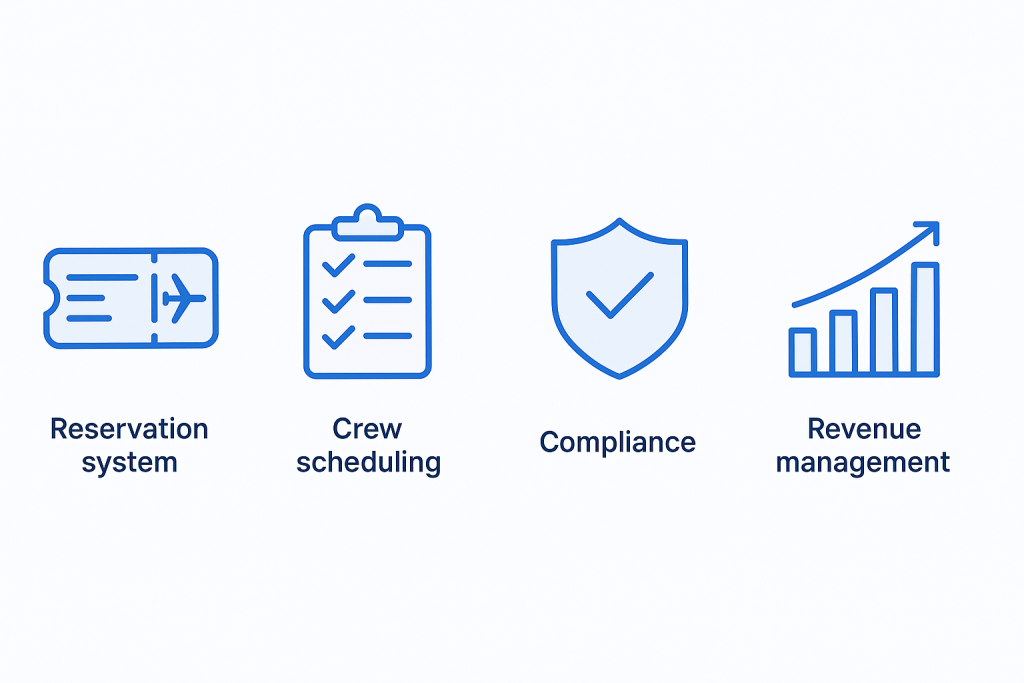
Modern AMS platforms come with a wide range of features. Below are the core modules that every airline operator benefits from:
Flight Scheduling & Operations
Plan, schedule, and manage flights efficiently with real-time updates and automated alerts for delays, cancellations, and operational changes, supported by a live flight status tracking page for passenger and agent visibility.
Crew Management & Compliance
Assign pilots and crew based on availability, certifications, and flight time limitations. Automated compliance ensures no violations of ICAO, FAA, or EASA regulations.
Ticketing & Reservation System
Integrated with GDS and NDC, the system allows passengers and agents to book flights in real time, with instant confirmation.
Flight Booking Software by PHPTRAVELS
Revenue Management & Dynamic Pricing
Advanced algorithms analyze demand, seasonality, and competition to suggest optimal ticket pricing. Airlines can maximize yield per seat.
Analytics & Reporting
Powerful dashboards provide visibility into load factors, on-time performance, revenue per passenger, and operational efficiency.
Benefits of Airline Management System
| Benefit | Description |
|---|---|
| Automation saves time | Reduces manual work for reservations, crew scheduling, and reporting. |
| Enhanced passenger experience | Mobile-friendly booking and check-in improves customer satisfaction. |
| Improved compliance & safety | Automated crew compliance and real-time flight monitoring. |
| Boosted profitability | With yield management and ancillary revenue opportunities. |
| Data-driven insights | Identify trends, optimize routes, and reduce costs. |
Who Needs an Airline Management System?
| User Type | Benefit |
|---|---|
| Regional Airlines | Manage short-haul flights with cost efficiency. |
| International Carriers | Scale operations globally with multi-currency and multi-language support. |
| Charter Operators | Handle custom flight requests and flexible scheduling. |
| Aviation Startups | Launch faster without heavy infrastructure investments. |
Integration Capabilities
A robust airline management software must seamlessly integrate with external systems to maximize efficiency, including GDS, NDC, payment gateways, and flight data access options that support real time search and pricing workflows.
GDS Integrations → Amadeus, Sabre, Travelport, with a central Amadeus reservation layer often forming the core booking workflow for airlines that need tighter control over flight distribution and servicing.
NDC APIs → Enable direct airline distribution.
Payment Gateways → Stripe, PayPal, local bank tran
Airline Reservation System from PHPTRAVELS
Ready to Modernize Your Airline Operations?
The PHPTRAVELS Airline Management System brings flight scheduling, crew compliance, ticketing, and revenue management into one powerful platform. With real-time GDS/NDC connectivity, airlines can streamline operations, reduce costs, and deliver a seamless passenger experience.
Why Airlines Choose PHPTRAVELS
- Flight scheduling and disruption control with real-time updates
- Crew rostering with duty-time limits, certifications, and safety compliance
- Integrated ticketing and reservations (GDS & NDC ready)
- Revenue management, ancillaries, and dynamic pricing tools
- Advanced dashboards, reporting, and APIs for operations and finance teams
See how PHPTRAVELS can transform your airline operations with a live product walkthrough.
Live Demo: https://phptravels.com/demo
Conclusion
The aviation industry cannot afford inefficiency. An Airline Management System enables airlines to run smoother operations, improve passenger satisfaction, comply with safety standards, and maximize revenue. Whether you are a small regional carrier or a global airline, adopting an AMS is no longer optional it’s a necessity.
👉 Ready to scale your operations? Explore the PHPTRAVELS Airline Management System and request a free demo today.