devices
Frontend stack
Search, filters, traveler details, payment forms, and confirmation screens. Must stay fast, predictable, and accessible on mobile because a large share of travel intent starts there.
A practical look at the technology stack behind PHPTRAVELS, including core layers, integrations, server requirements, and operational workflows used in travel booking platforms.
A technology stack is the set of layers used to build and run an application. In travel booking, the stack must handle supplier connections, pricing rules, booking flows, payments, documents, and reporting without breaking when demand spikes or APIs change.
This page explains the layers, the server requirements PHPTRAVELS needs to run reliably, and a practical integration workflow you can map to your own suppliers and back office. For a broader platform view, see how travel teams use the platform across modules and integrations.
.webp)
A tech stack is the set of technologies that work together to deliver the product. In a travel platform, it usually includes a user interface layer, a backend layer that applies business rules, a database layer for persistence, and an integration layer that connects external suppliers and services. What makes travel different is the integration surface: inventory comes from many sources, pricing depends on rules and currency, and fulfillment requires vouchers, invoices, emails, and post booking changes.
Search, filters, traveler details, payment forms, and confirmation screens. Must stay fast, predictable, and accessible on mobile because a large share of travel intent starts there.
Validates availability, applies rules, calculates totals, creates bookings, and triggers fulfillment. Also where security, logging, rate limits, and operational guardrails live.
Stores users, bookings, payments, supplier mappings, rules, and audit trails. Clear data modeling matters because changes and disputes happen and you need traceability.
Connects suppliers, gateways, messaging, and back office. API stability, retries, idempotency, and error handling decide how calm your operations feel.
A software stack becomes useful when each layer has a clear job and clear boundaries.
Search, listing, details, checkout, and post booking management. This is where conversion and trust are won.
The language and runtime used to implement business rules, integrations, and internal tooling.
Hosting environment, caching strategy, and how you scale during peak traffic.
Persistent storage for bookings, payments, rules, and audit trails. Backups and restore plans are part of the stack.
Supplier APIs, GDS connections, payment gateways, email, SMS, and back office tools.
Authentication, authorization, logging, rate limiting, and safe handling of payment flows.
The platform uses a classic web application stack with a clear separation between presentation, business logic, storage, and integrations. The goal is stability and maintainability for travel workflows, not novelty.
Server side application layer
Handles business logic, booking rules, supplier requests, voucher generation, and operational tooling.
Relational database layer
Stores bookings, customers, invoices, supplier mappings, rules, and audit records for traceability.
Web server
Serves the application with mod_rewrite friendly URLs, sensible timeouts, and standard cPanel configuration.
Frontend interaction layer
Supports interactive search and checkout flows, validation, and smoother user journeys on web.
Markup and styling
Semantic structure and responsive layouts so customers can complete bookings without friction.
Integration layer
Connects supplier APIs, GDS sources, payment gateways, and back office tools through a consistent rule layer.
For a guided view that focuses on delivery and implementation steps, read a practical consultant style overview of platform selection and rollout.
The installer verifies these requirements before setup. Most cPanel shared hosts already meet them; for production we recommend a hosting plan with terminal or SSH access so you can manage Composer, cron jobs, and deployments cleanly.
Verified by the installer on first run
mysqli
pdo
curl
openssl
mbstring
gd
zip
json
PHP setting: max_input_vars ≥ 5000 so large admin forms post without truncation.
With terminal or SSH access
Or fully compatible MariaDB
Scale up for higher traffic and supplier volume
The installer runs an automated environment check on first load and flags anything missing — PHP version, extensions, max_input_vars, and writable cache and upload folders — so you know exactly what to fix before continuing.
A travel booking workflow is a sequence of actions that must remain consistent across suppliers and channels.
| Area | Manual process | Automated process |
|---|---|---|
| Availability and pricing | Repeated checks across supplier portals and emails | Centralized search and consistent pricing rules |
| Checkout and payment | Manual invoicing and payment chasing | Payment gateway flow and payment status tracking |
| Fulfillment | Copy paste confirmations into documents | Voucher, invoice, and itinerary generation |
| Back office | Spreadsheet reconciliation and inconsistent notes | Structured records with audit trail and reporting |
For travel specific context on how technology affects agency operations, see a field focused discussion on operational impact in agencies.
A reliable integration flow is more important than a long list of tools. The goal is to connect suppliers and services while keeping your booking logic consistent across channels, back office, and customer communications — whether you are evaluating Apollo integration software options or other supplier connectivity models.
List suppliers, API providers, GDS sources, and direct contracts. Decide what you will treat as real time search vs cached data for performance.
Map supplier fields to a consistent model, then apply markups, taxes, policies, and currency conversion in one rule layer.
Integrate payment gateways, create a consistent payment status model, and align invoice and voucher generation with booking states.
Send booking data to back office, CRM, and accounting processes. Ensure refunds, cancellations, and changes are captured as first class events.
Add logs, alerts, and dashboards for supplier errors, payment failures, and booking timeouts so the team can resolve issues before they become customer tickets.
If your business is evaluating distribution concepts, this helps: CRS vs GDS explained with travel booking context.
Choosing the right tech stack is a business decision. For travel, the winning stack is the one that reduces operational noise while keeping costs and time to production under control.
B2C conversion, B2B contracting, or internal operations each require different priorities for UI, pricing rules, and user management.
Faster launch reduces opportunity cost, but shortcuts that ignore supplier stability and change management create long term support debt.
Scale is not only traffic. It is also supplier volume, pricing rules, peak season spikes, and operational load on support teams.
Focus on clean authentication, safe payment flows, audit trails, and predictable error handling for supplier and gateway outages.
For longer range planning, you may also want a travel focused view on how stacks evolve with distribution and operations.
Short answers to common questions about technology stacks, server requirements, and travel booking platforms.
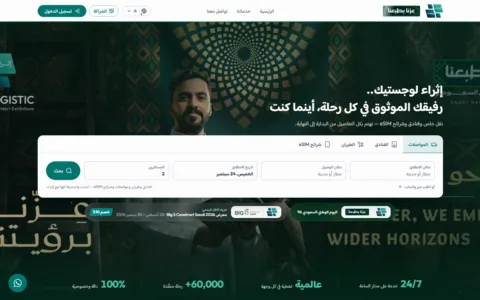
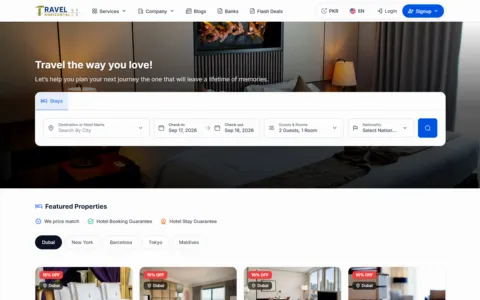
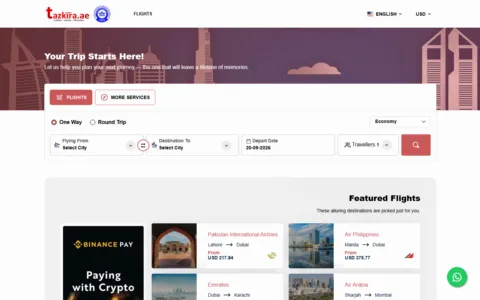
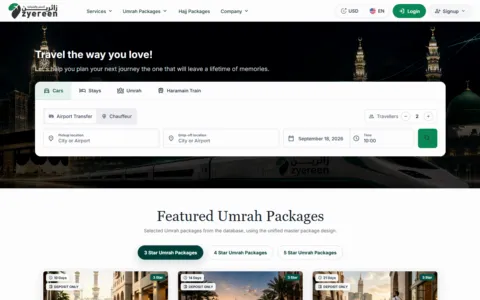
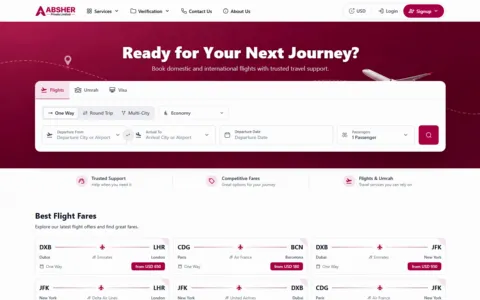
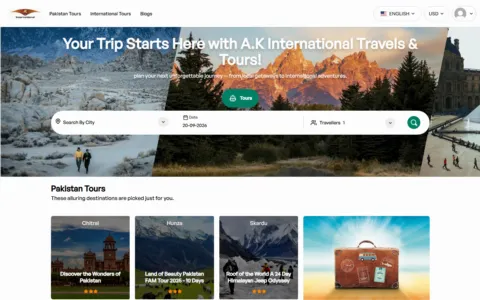
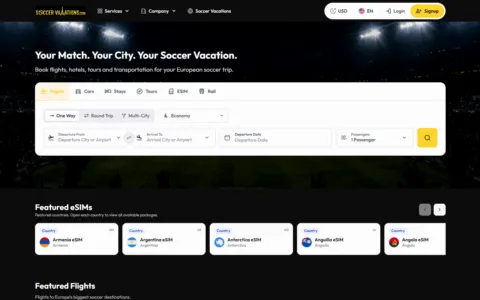
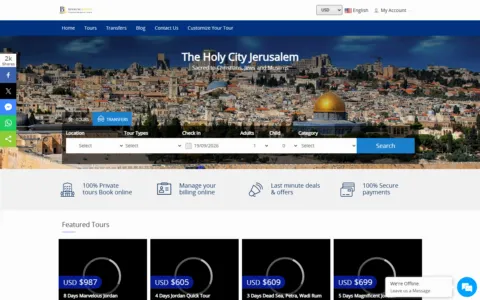
Travel businesses running live on PHPTRAVELS. Visit their websites and see the platform in production.


Fresh insights, product updates, and practical travel-tech guidance from our latest articles.


