

A travel software engineer is the backbone of every serious travel business because modern platforms rely on API first travel systems, multi supplier logic, secure payment workflows, smart caching, real time availability sync, and deep travel system automation. Whether you are developing travel software for agencies, OTAs, TMCs, DMCs, or enterprise operators, the work now demands strong engineering, accurate data flow, and reliable booking engines built on modern travel technology. This guide explains the real role of a travel software engineer with full insight from PHPTRAVELS which has deployed travel industry software solutions across more than one hundred fifty countries. If you want a broader view of how technology is reshaping agencies you can also read our guide on the impact of technology on travel agencies.
Fifteen plus years of building large scale multi API travel systems and real experience powering thousands of daily searches shows exactly how engineering transforms the travel industry.
What a Travel Software Engineer Really Does Today
A travel software engineer is not a simple coder. The role demands a deep understanding of how real time travel systems behave under pressure, how supplier APIs respond during peak hours, and how booking engines must protect the user experience even when the underlying data is unpredictable. The work goes far beyond writing basic functions or stitching templates together because the modern travel ecosystem depends on fast integrations, high accuracy, and zero tolerance for downtime. Their responsibility is to design and build travel platforms that connect flights, hotels, tours, transfers, insurance providers, payment gateways, and CRM tools in a seamless, automated, and synchronized flow. These systems process thousands of dynamic requests every minute, meaning the engineer must handle live pricing, availability changes, supplier inconsistencies, and user behavior patterns without slowing down the platform.
Every connection has to stay stable even when suppliers fail, traffic surges unexpectedly, or data arrives in inconsistent formats. This is why travel software engineering requires strong system design, defensive coding practices, caching layers, fallback workflows, and real time monitoring. When engineered correctly, these platforms deliver smooth search results, accurate inventory, and reliable bookings across multiple regions and suppliers, making the engineer the backbone of the entire travel operation.
From booking engines to multi API platforms
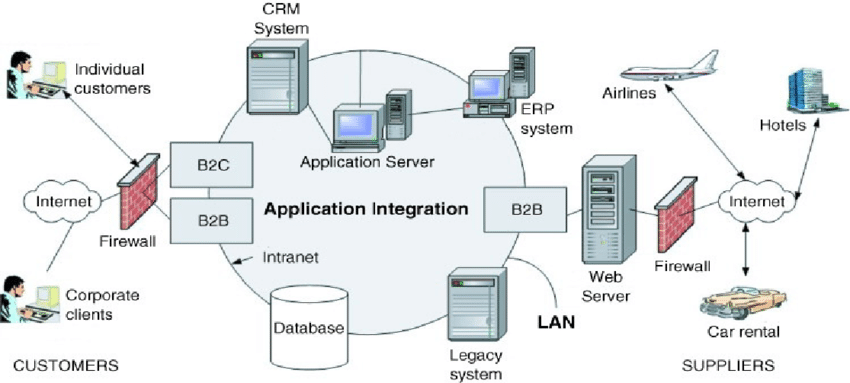
Travel engineers handle booking engine development, design multi supplier travel systems, and build multi API travel software that connects suppliers like Amadeus, Sabre, Travelport, TBO, Hotelbeds, W2M, local PMS tools, and Apollo GDS integration for travel platforms. This ensures live rates, accurate availability, and stable search journeys.
Why the role has changed in modern travel technology
Travel is no longer static. Real time booking engines, cloud based travel infrastructure, smart caching for travel search, supplier balancing logic, and travel data pipelines need engineers who understand large scale load and system behavior.
Real time connectivity and supplier management
A travel software engineer maintains the heartbeat of the platform by managing API connections, reconciling mismatched responses, and ensuring uptime even when one supplier goes down.
Engineering reliable search and booking flows
Every click must be engineered. Engineers design fallback routing, API error handling in travel systems, and predictive pricing engines to prevent booking failures.
Why Travel Software Engineers Are Essential for Developing Travel Software
A development company cannot build a stable OTA or TMC system without skilled engineers. Developing travel software is a deep technical job, not a drag and drop project.
Multi supplier API architecture
Engineers design the full architecture that balances multiple suppliers while keeping response time low and availability accurate.
Flight API and hotel PMS integration
Travel platforms rely on fast flight API engineering and hotel API integration for full room mapping, rate management, and inventory sync. Travel platforms rely on fast flight API engineering and hotel API integration for full room mapping, rate management, and inventory sync. For a deeper breakdown of how airline connectivity really works you can check our comprehensive guide to flights API integration.

Handling data accuracy, availability sync, and rate updates
Engineers implement real time availability sync, smart caching behavior, and automated itinerary generation to keep the system consistent.
Preventing booking failures through engineering logic
Real world example.
A mid sized OTA on PHPTRAVELS saw booking failures drop by thirty five percent once we rebuilt their multi supplier logic. Engineering fixes problems. Not plugins.
Travel Industry Software Solutions Built by Engineers
Travel software can’t be built with generic templates or quick plugins. The industry runs on fast-changing data, complex supplier integrations, and high user expectations. Reliable systems come from engineers who design real architecture, build stable API layers, optimize search performance, and handle real-time availability. That level of control and stability only comes from custom engineering, not shortcuts. It’s the difference between a system that survives traffic spikes and one that collapses under pressure. Real engineering is what keeps your business running when everything else breaks.
Unified booking engines
Flights, hotels, cars, tours, insurance, transfers, all controlled from a single booking engine.
If you are specifically focused on booking flows and search UX our article on travel software development for booking engines walks through the architecture step by step.
Corporate travel management systems
Engineers build approval workflows, policy control, traveler profiles, and expense visibility.
CRM and automation workflows
Automation reduces staffing cost. Travel workflow automation helps agencies trigger notifications, cancellations, amendments, vouchers, and refunds instantly.
Real world examples of travel platforms running at scale
PHPTRAVELS platforms handle more than one thousand daily searches for multi region agencies with cloud based travel infrastructure and load optimization.
How a Travel Software Engineer Builds a Robust Travel Software Development Company Stack
A resilient travel tech stack depends on engineering decisions that support scale, uptime, and rapid feature delivery. This is where architecture discipline matters more than flashy UI work.
API First Development Approach
API driven travel platforms allow suppliers, channels, and partners to plug in without reworking the core system. Versioned endpoints prevent breaking changes and accelerate product rollout.
API First Travel Systems Enable Rapid Evolution
A travel product can push new features without touching front ends, update suppliers instantly, and maintain predictable data flows even under heavy traffic.
Microservice Architecture in Travel Tech
Breaking the platform into dedicated components protects your system from becoming a monolith that collapses under peak demand. Each service handles a single responsibility.
Microservices Keep Search Speed Stable
Search, booking, payment, ticketing, and CRM run independently so a slow ticketing supplier never drags down the whole user experience.
Skills Every Travel Software Engineer Must Have in 2025
A modern engineer must understand both the travel domain and complex system engineering.
System design for large scale travel platforms
Engineers must build systems that can handle millions of search responses without slowing down.
Real time data processing
Skills in data streaming, availability sync, and live rate updates are essential.
Error handling and fallback routing
Systems must avoid downtime by switching suppliers or cache layers automatically.
AI and automation knowledge
AI assisted travel software can predict prices, suggest trips, or reduce support workloads.
Why Hiring a Specialized Travel Software Engineer Matters
A travel business cannot grow without strong engineering at its core.
Better conversion through stable systems
Fast search and error free bookings increase conversion instantly.
Cutting operational cost with automation
Travel workflow automation reduces human intervention and speeds up customer service.
Better performance with multi API logic
Multi supplier design ensures competitive pricing and higher inventory accuracy.
Case study style examples
A DMC using PHPTRAVELS reduced refund processing time from forty minutes to four minutes once automation workflows were engineered correctly.
Future of Travel Software Engineering
Engineers will shape the next generation of global travel platforms. We already see many of these changes in action in our analysis of key technology trends emerging in the travel and tourism industry
AI driven trip planning
AI creates personalized itineraries using traveler preferences and real time data.
Automated support with context aware systems
Chat systems pull booking history, policy rules, and trip data automatically.
IoT enabled travel experience
Connected luggage, smart hotel rooms, and airport automation will become normal.
Predictive travel pricing engines
AI will use travel system load optimization and real time market fluctuations to estimate better fares.

Conclusion
A travel software engineer today is the core engine behind every successful travel company. The combination of multi API technology, automation, cloud performance, and AI guided decision making has transformed the industry. Developing travel software now demands strong engineering, reliable data pipelines, and deep travel domain knowledge. Travel software engineers are the new backbone of global travel because they build systems that run twenty four seven with accuracy, speed, and trust.