
TL;DR: Key Takeaways
Efficient hospitality workflow means better guest experiences and better profitability.
Plan using the hospitality cycle: forecast, schedule, optimize, and monitor.
Use tech like PHPTRAVELS CRM and APIs for automation.
Focus on staff training, SOPs, and facility/menu planning.
Event planning and regional strategy directly impact ROI.

In today’s fast-paced, tech-powered world, hospitality planning isn’t just about task checklists—it’s about shaping memorable guest experiences. Smooth workflow management means fewer delays, happier customers, and scalable operations. Whether you run a boutique hotel, resort, or travel agency, a well-organized system drives success.
Using platforms like PHPTRAVELS, teams streamline check-ins, automate bookings, and sync operations—from front desk to housekeeping. And as highlighted in our technology trends guide, digital transformation is now the backbone of hospitality excellence.
What is the Hospitality Planning Cycle and Why Is It Crucial?
The hospitality planning cycle is a continuous process of forecasting demand, assigning responsibilities, optimizing services, and evaluating performance. Done right, it creates consistency and improves guest satisfaction. Done poorly, it causes delays, miscommunication, and revenue loss.
It typically includes:
- Demand forecasting and seasonal preparation
- Staff scheduling and SOP development
- Facility, room, and menu planning
- Real-time performance tracking
Smart operators rely on tools like hotel booking systems and CRM dashboards to unify operations across locations.
How to Organize Workflow in the Hospitality Industry (Step-by-Step)
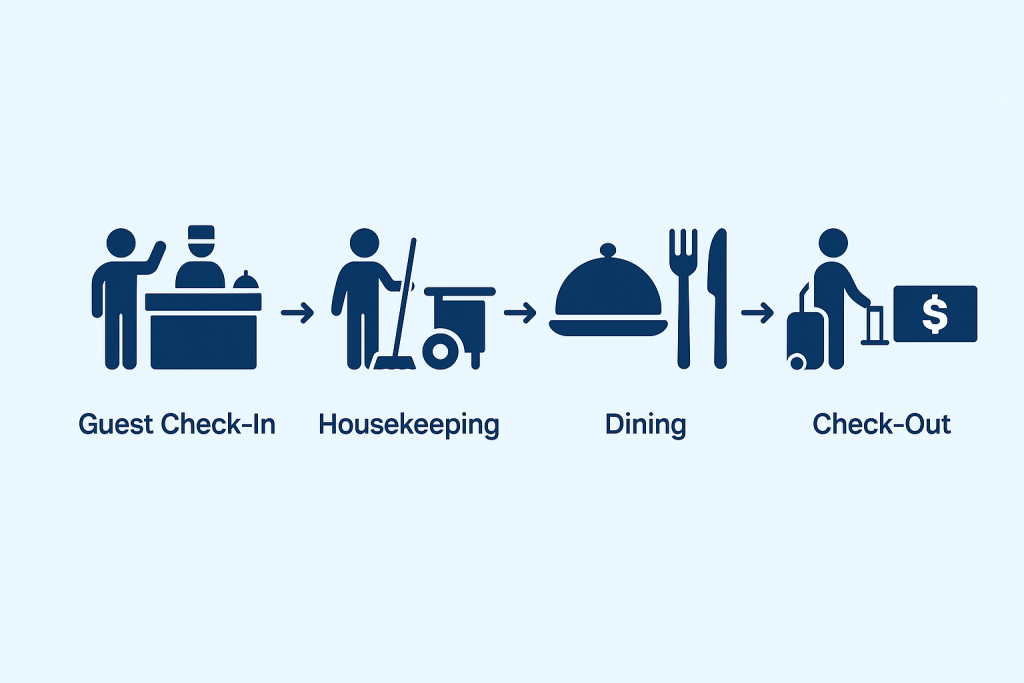
- Map the guest journey and all service touchpoints
- Assign roles clearly to reduce confusion among teams
- Build demand-based schedules for staff and services
- Document SOPs for rooms, food service, and emergencies
- Use automation tools like PHPTRAVELS modules for task assignment
- Track KPIs weekly and adjust based on real-time feedback
For travel agencies, check our guide on how GDS impacts operations.
Why Workforce Planning in Hospitality Matters
Proper workforce planning reduces staff burnout, improves guest reviews, and cuts costs. Understaffed teams cause chaos, while overstaffing eats into profits. With centralized systems, you can forecast demand, auto-assign roles, and adapt schedules easily.
Using workforce planning tools ensures you always have the right person, at the right place, at the right time.
Facility and Menu Planning in Hospitality
Poor facility planning results in service delays and guest frustration. A smart layout ensures smooth foot traffic, optimized cleaning routes, and emergency access. Meanwhile, menu planning isn’t just about food—it’s about costs, guest preferences, and dietary trends.
Most modern hoteliers now use POS-integrated planning and AI-powered analytics to craft efficient layouts and personalized menus.
How Does Event Planning Improve Hotel Performance?
Event planning in hospitality includes weddings, conferences, and private bookings that generate massive value. These aren’t just side gigs they’re core profit centers. Well-managed events mean more room bookings, food orders, and repeat guests.
With tools like tour operator software, you can sync tasks, vendors, invoices, and guest lists all in one place. Explore how CRMs in tourism streamline the process.
What Happens When Hospitality Workflows Are Poorly Managed?
When workflows fall apart:
- Rooms go uncleaned
- Check-ins get delayed
- Guest complaints rise
- Staff morale drops
A centralized system, with clear communication channels and workflow automations, protects your reputation, especially when supported by structured concierge task routing for service requests that would otherwise get lost.
📌 Real-World Example
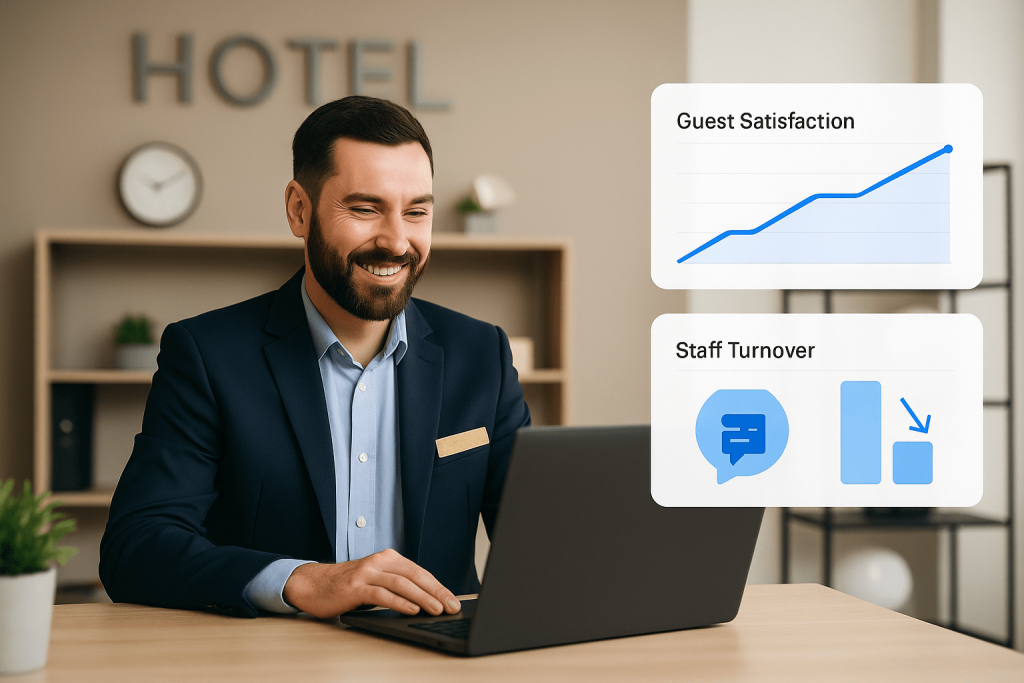
A 30-room hotel in Istanbul used PHPTRAVELS’ modules to streamline task delegation and staff scheduling. Within just 90 days:
- ✅ Guest satisfaction increased by 18%
- ✅ Staff turnover dropped by 25%
- ✅ Booking reviews mentioned “smooth service” 3× more
This transformation was powered by workflow optimization and smarter use of automation tools—no additional staff or costs involved.
What are the Risks of Poor Regional Portfolio Planning in Hospitality?
Expanding to the wrong region—or doing so without proper analysis—can harm operations. You risk:
- Wasted investment in low-demand areas
- Inconsistent brand standards
- Overworked teams in one location and idle ones in another
Strategic planning must be data-backed and supported by scalable tools like multi-location travel agency systems.
Final Thoughts
Great hospitality is no accident—it’s engineered through smart workflow planning, trained staff, and data-backed decision-making. From SOPs to smart CRM tools, the right systems reduce errors and boost guest satisfaction.
Need help setting this up? Start your journey with PHPTRAVELS, the all-in-one travel and hospitality management platform trusted globally.