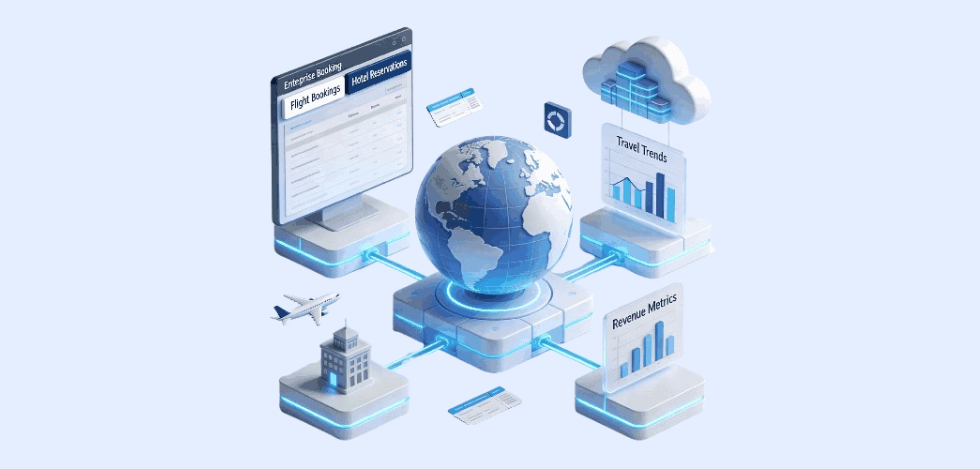

Selling hotels online is no longer limited to large OTAs. Today, travel agencies, tour operators, DMCs, and niche platforms can access the same global hotel inventory and distribute it to customers worldwide. The challenge is not demand it is knowing where inventory comes from, how it is connected, and how it is sold efficiently.
how global hotel inventory distribution works and how travel businesses can build a reliable online hotel-selling operation without owning hotels themselves.
- Global hotel inventory is accessed through APIs, aggregators, and direct supplier connections
- Travel agencies resell hotels without owning rooms
- Inventory distribution depends on real-time availability, pricing, and confirmations
- A booking system connects suppliers, agents, and customers in one flow
- The right setup reduces manual work and enables scale
What Is Global Hotel Inventory?
Global hotel inventory refers to room availability, rates, and policies sourced from hotels worldwide and made accessible digitally for resale. This inventory includes:
- Independent hotels and chains
- Budget to luxury accommodations
- Regional and international properties
- Contracted and dynamic rates
Travel businesses do not need to negotiate with each hotel individually. Instead, they access this inventory through centralized distribution systems and a Mark travel hotel search platform that keeps search, pricing, and booking steps connected.
How Global Hotel Inventory Is Distributed
Hotel inventory distribution is the process of making rooms available across multiple sales channels in real time. This includes agency websites, B2B agent portals, and consumer booking platforms.
At a high level, inventory flows through:
- Hotel systems and channel managers
- Aggregators and wholesalers
- APIs and booking platforms
- End customers and agents
This structure ensures consistent pricing, availability, and instant confirmations.Many wholesalers still rely on XML-based feeds, which is why options like BedsOnline XML integration remain common for agencies scaling hotel distribution.
Primary Sources of Global Hotel Inventory
Hotel Aggregators and Wholesalers
Aggregators consolidate inventory from thousands of hotels and provide it through a single API connection. Popular examples include global and regional suppliers.
Travel businesses often start with integrations such as Hotelbeds API integration or Hotelston API integration to gain wide coverage quickly.
OTA and Marketplace APIs
Some platforms allow access to hotel inventory via partner APIs, enabling agencies to resell rooms under specific agreements. For agencies reselling Expedia hotel inventory through agent booking tools, Expedia TAAP API integration is a practical option for accessing OTA inventory with commission-based workflows.These APIs provide:
- Real-time rates
- Availability updates
- Booking confirmations
A hotels API booking system acts as the bridge between suppliers and your sales channels.
Direct Hotel and Chain Connections
Larger agencies and enterprise platforms may connect directly with hotel chains or PMS systems. This approach offers better margins but requires higher technical and operational effort.

How Travel Agencies Sell Hotels Without Owning Them
Travel agencies operate as resellers. They display inventory sourced from suppliers and earn revenue through:
- Markups on net rates
- Commissions
- Service fees
- B2B pricing models
Using a B2B hotel booking platform, agencies can onboard sub-agents, manage credit limits, and distribute inventory at scale.
The Role of Hotel Booking Systems
Accessing inventory alone is not enough. A hotel booking system manages the full transaction lifecycle.
A professional hotel booking software handles:
- Search and availability checks
- Rate calculation and pricing rules
- Booking confirmation and payment
- Amendments, cancellations, and refunds
For direct sales, a hotel booking engine provides the customer-facing interface.
Inventory Distribution Workflow (Real-World Flow)
- User searches for hotels by destination and dates
- System sends requests to connected suppliers through unified layers such as a global reservation orchestration system that manages availability, pricing, and booking responses in real time.
- Suppliers return availability and net rates
- System applies markups, currency rules, and policies
- User completes booking and payment
- Supplier confirms reservation instantly
- Inventory updates across all connected channels
This real-time flow is what enables global selling.
Operational Challenges Businesses Face
Many travel businesses struggle due to:
- Manual extranets and slow confirmations
- Rate mismatches between suppliers
- Limited inventory coverage
- Poor post-booking management
Without centralized control, scaling hotel sales becomes difficult.
What Actually Works in Practice
Successful businesses use:
- Multiple supplier integrations for coverage
- Centralized booking and inventory management
- Automated pricing and commission logic
- Clear separation of B2C and B2B sales
Systems like a hotel management system software and hotel check-in system software support downstream operations when working closely with hotels.
How PHPTRAVELS Fits Into This Model
Once the fundamentals of inventory distribution are clear, choosing the right platform becomes a business decision rather than a technical one.
PHPTRAVELS provides a modular hotel module designed for:
- Global hotel inventory access
- API-based supplier integrations
- B2C and B2B selling models
- Scalable booking and distribution workflows
Integrations such as Booking.com and Priceline inventory access allow businesses to expand coverage without rebuilding their systems.