Hotel property management systems are essential for modern hospitality businesses. Whether you operate a small hotel, resort, hostel, vacation rental, or multi-property chain, a reliable property management system helps manage reservations, room inventory, guest profiles, billing, reporting, and integrations with travel platforms.
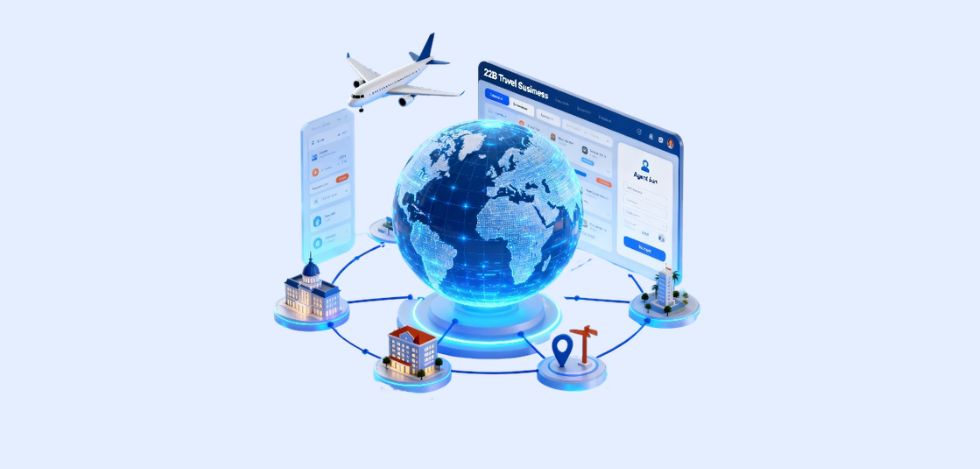
A modern hotel PMS connects booking engines, channel managers, payment gateways, APIs, and travel technology platforms to automate hotel operations.
Modern travel technology platforms PHPTRAVELS provide integrated hotel management solutions that combine property management system, booking engine, channel manager, and API integrations in one platform. Such systems help hotels, travel agencies, and booking businesses manage reservations, inventory, and online distribution from a single dashboard while supporting cloud based automation and multi-property management.
What is a Hotel Property Management System
A hotel property management system is hotel management software used to control daily hotel operations such as reservations, front desk, billing, housekeeping, inventory, and reports. It acts as the central reservation system and admin panel where staff can manage rooms, guests, and bookings from one dashboard.
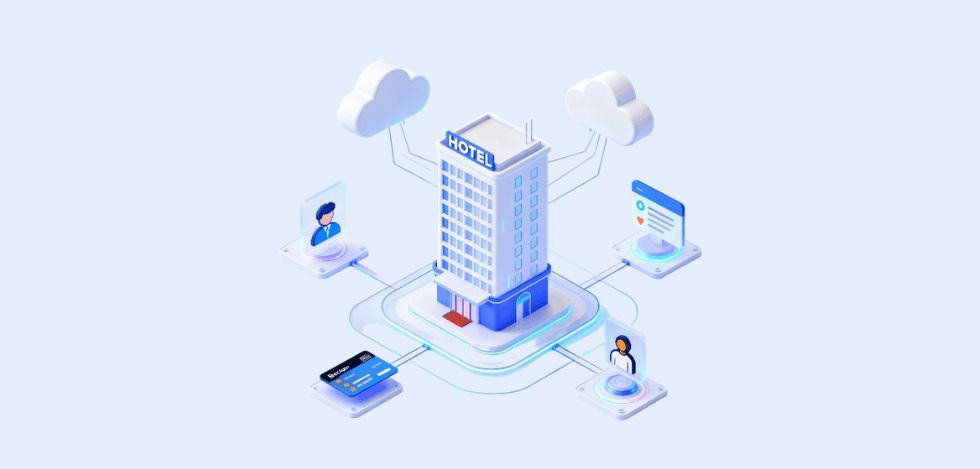
A modern property management system also connects with booking engines, OTA platforms, payment gateways, and travel APIs. This allows hotels to automate online bookings, update room inventory in real time, and manage guest data efficiently.
Hotels need a PMS because manual management causes errors, overbooking, and slow operations. With hotel management software, staff can handle check in, check out, guest profile, billing, and reporting from one system.
PMS vs Booking Engine
| Feature | PMS | Booking Engine |
|---|---|---|
| Reservation management | Yes | Limited |
| Front desk | Yes | No |
| Inventory | Yes | No |
| Online booking | Via integration | Yes |
| OTA integration | Yes | No |
A hotel booking engine only handles online reservations, while a hotel property management system controls the complete hotel operation.
How Hotel Property Management Systems Work
A hotel PMS works as the central dashboard for hotel operations. All departments including front desk, reservations, housekeeping, billing, and reporting are connected in one admin panel. This allows staff to manage room inventory, guest profile, and booking data in real time.
At the front desk, staff can perform check in and check out, assign rooms, and update guest details. The reservation system stores booking data coming from the website, OTA, travel API, or channel manager. Room inventory updates automatically to prevent overbooking.

Housekeeping modules show room status such as clean, dirty, occupied, or maintenance. Billing and payment gateway integration allow invoices and transactions to be generated directly from the dashboard. Reports and analytics provide occupancy, revenue, and performance data. Modern hotel property management systems integrations connect CRM, POS, ERP, accounting, and distribution systems.
Main Modules of Hotel Property Management Systems
Hotel PMS software includes multiple modules designed to automate hotel operations and reduce manual work. Each module controls a different part of the hotel management workflow.
Front desk management
Front desk management handles check in, check out, room assignment, and guest profile management. Staff can see room availability, update booking status, and manage payments directly from the dashboard.
Reservation management
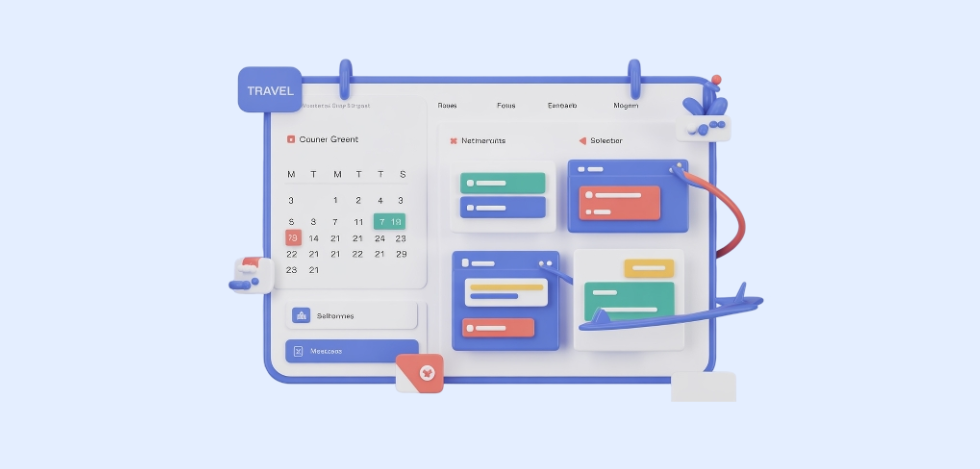
Reservation management controls bookings, cancellations, modifications, and room inventory. It also syncs reservations coming from booking engine, OTA, or channel manager.
Housekeeping management
Housekeeping modules track room cleaning status and maintenance tasks. This helps staff know which rooms are ready, occupied, or under service.
Rate and revenue management
Revenue management tools allow hotels to change room rates based on demand, season, or occupancy. This is important for maximizing hotel revenue.
Channel manager integration
Channel manager integration keeps room inventory synced across OTA platforms such as Booking, Expedia, and other travel websites.
Booking engine integration
Booking engine integration allows guests to book directly from the hotel website. This reduces OTA commission and increases direct sales.
Payment gateway integration
Payment gateway integration allows secure online payments, automatic billing, and invoice generation.
Reports and analytics
Reports show occupancy rate, revenue, guest history, and performance analytics. This helps hotel owners make business decisions.
Multi property management
Multi property management allows hotel chains to manage multiple hotels from one dashboard. This is important for enterprise hotel management platforms.
These hotel PMS features are part of modern hotel automation software and hotel operations software.
Types of Hotel Property Management Systems
Different hotels use different types of property management systems depending on size, budget, and technical requirements.
Cloud PMS
Cloud PMS hotel software runs online and allows remote access from any device. Cloud based hotel property management systems are the most popular choice in 2026.
On premise PMS
On premise PMS is installed on a local server inside the hotel. It offers more control but requires IT maintenance and higher cost.
SaaS hotel PMS
SaaS hotel PMS is subscription based software hosted in the cloud. Hotels pay monthly instead of buying a license.
Enterprise PMS
Enterprise PMS is designed for large hotel chains that need multi property management, advanced reporting, and API integrations.
PMS for small hotels
Small hotel property management systems include basic reservation, inventory, and billing features at low cost.
PMS for resorts
Resort PMS includes spa, activity, and package management along with room reservations.
PMS for vacation rentals
Vacation rental PMS supports apartments, villas, and short term rentals with calendar sync and channel manager.
PMS for hostels
Hostel PMS manages beds instead of rooms and supports shared accommodation.
PMS for hotel chains
Hotel chain PMS supports centralized inventory, multi location reporting, and enterprise integrations.
Popular searches include cloud PMS hotel, hotel software for small hotels, and hotel software for vacation rentals.
Hotel Property Management Systems by Property Type
Different property types require different hotel management solutions. Choosing the right hotel management platform depends on the business model.
PMS for hotel chains and resorts
Large hotels need enterprise PMS with multi property management, API integration, and advanced reporting.
PMS for city hotels and business hotels
City hotels need strong reservation system, OTA integration, and billing features for high booking volume.
PMS for vacation rentals and apartments
Vacation rental software must support calendar sync, channel manager, and online booking.
PMS for hostels and BnB
Hostels require bed inventory, shared rooms, and flexible pricing options.
PMS for boutique hotels
Boutique hotels need customization, CRM, and guest profile management.
Hotel software providers offer different hotel management platforms based on property size and business needs.
Most Important Features of Hotel PMS Software
Modern hotel management software must include advanced features to handle online bookings, integrations, and automation.
Important features include reservation system, channel manager, booking engine, OTA integration, payment gateway, mobile access, reports dashboard, automation, API integration, and revenue management.
OTA integration allows hotels to connect with online travel agencies. Booking engine allows direct booking from the website. API integration connects PMS with CRM, ERP, accounting, and travel technology tools.
Automation reduces manual work and prevents errors. Multi property support allows hotel chains to manage all locations from one system. These features define the best hotel property management systems in 2026.
Integrations Required in Modern Hotel Property Management Systems
Integrations are very important in modern hospitality software. Hotels use multiple systems, so the PMS must support API integration and distribution systems.
Important integrations include OTA integration, GDS integration, payment gateways, POS systems, CRM, accounting software, channel manager, travel API, booking engine, ERP, and CRS distribution system.
Travel technology platforms depend on API integration to sync reservations, inventory, and payments. Without integrations, hotel operations become slow and manual.
Modern hotel property management systems integrations help hotels automate distribution, billing, and reporting across all platforms.
Benefits of Cloud Based Hotel Property Management Systems
Cloud hotel PMS is the standard in modern hospitality software. Most hotels prefer cloud based hotel property management systems because they are flexible and cost effective.
Cloud PMS allows remote access from any device. Hotels do not need local servers, which reduces cost. Updates and backups happen automatically.
Automation keeps room inventory updated in real time across all booking channels. Cloud hotel SaaS software also supports multi property management, making it ideal for hotel chains.
Scalability is another benefit because hotels can add more rooms or properties without changing the system. Cloud hotel automation platform improves efficiency and reduces manual work.
How to Choose the Right Hotel Property Management System
Choosing the right hotel PMS vendors requires comparing features, integrations, and pricing. Not all hotel management software is suitable for every property.
Price is important, but integrations are more important. A good PMS must support booking engine, channel manager, OTA, API, and payment gateway.
Scalability is needed for hotels planning to grow. Support quality is also critical because hotel operations depend on software.
Open source vs SaaS is another decision. Open source offers control, while SaaS offers easy setup. Customization is required for enterprise hotels.
Always compare hotel PMS providers before selecting a system.
Hotel PMS Pricing Models Explained
Hotel management platform cost depends on features, integrations, and number of rooms.
One time license requires a single payment and local installation. Subscription model charges monthly or yearly.
SaaS monthly pricing is most common for cloud PMS. Enterprise pricing is custom for large hotel chains. Custom development is used by travel technology companies that need special features.
Hotel software pricing varies depending on modules, API integration, and multi property support.
Future of Hotel Property Management Systems
The future of hotel PMS is based on cloud software, automation, and API first architecture. Modern hospitality software must connect with travel technology platforms.
In 2026, trends include cloud PMS, automation, AI pricing, mobile PMS, multi property SaaS, and travel API integration. Hotels need systems that connect with booking engines, channel managers, and distribution networks.
SaaS platform architecture allows hotels to integrate with any travel technology. The best hotel property management systems 2026 are cloud based, scalable, and fully integrated.
Hotel Property Management System vs Booking Engine vs Channel Manager
| Feature | PMS | Booking Engine | Channel Manager |
|---|---|---|---|
| Reservations | Yes | Yes | Yes |
| Inventory | Yes | No | Yes |
| Front desk | Yes | No | No |
| OTA sync | Yes | No | Yes |
| Website booking | Via integration | Yes | No |
| Reports | Yes | Limited | Limited |
Why Modern Hotels Use Integrated Hotel Management Platforms
Modern hotels use integrated platforms that include PMS, channel manager, booking engine, CRM, and API. This creates a complete hotel management solution.
Integrated hospitality software provides automation, real time data, better distribution, and higher revenue. Travel technology companies now build connected systems instead of standalone tools.
Using an integrated hotel management platform allows hotels to manage reservations, payments, inventory, and reporting from one dashboard.