Selling hotels online is no longer about listing rooms and waiting for bookings. Today, travelers expect instant availability, transparent pricing, flexible payments, and smooth confirmations. Hoteliers and travel businesses that rely on outdated methods struggle with low visibility, inconsistent inventory, and dependency on third parties.
If you want to sell hotels online consistently, you need a structured approach that combines direct booking capabilities, distribution reach, operational control, and reliable technology. This guide explains how hotel rooms are sold online in real business environments and what actually works for hotels, OTAs, and travel agencies.
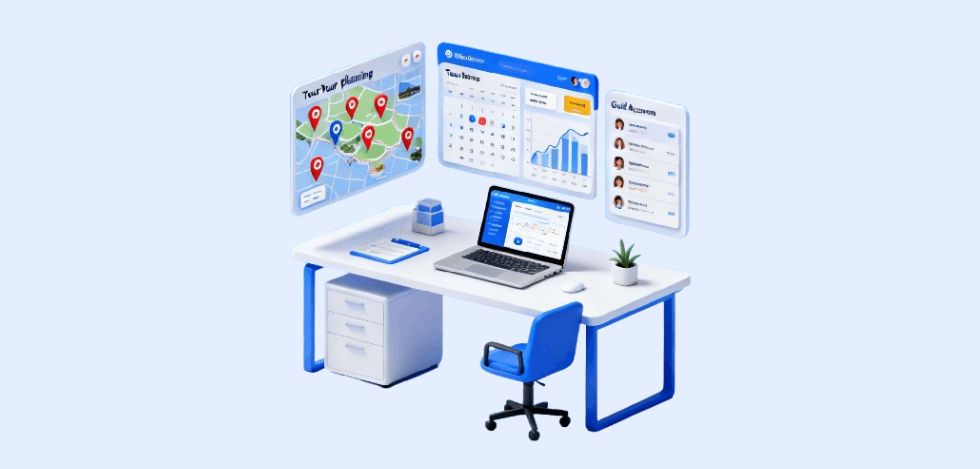
Selling hotels online works when inventory, pricing, and bookings are centralized
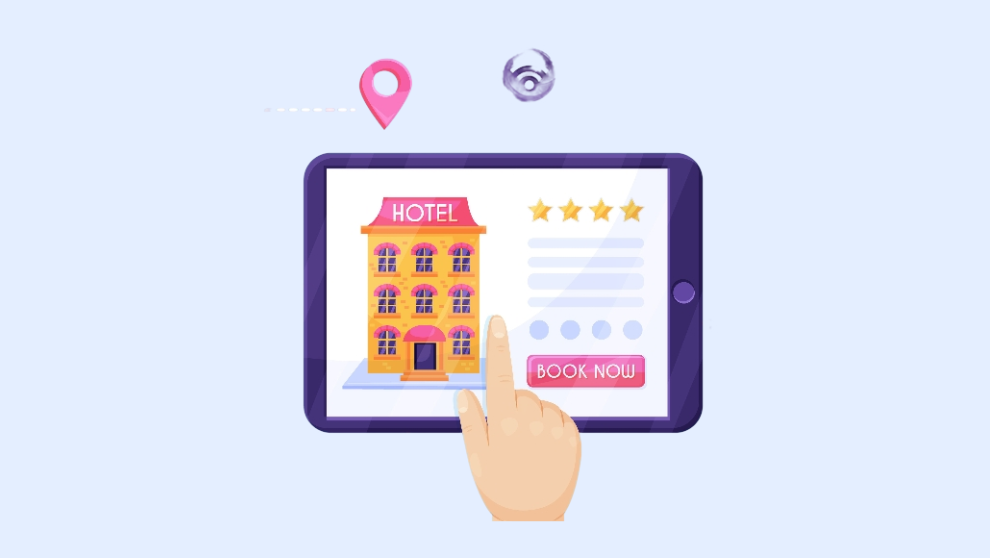
Direct bookings protect margins and brand control
OTAs expand reach but must be managed carefully
Booking engines and hotel APIs power real time availability
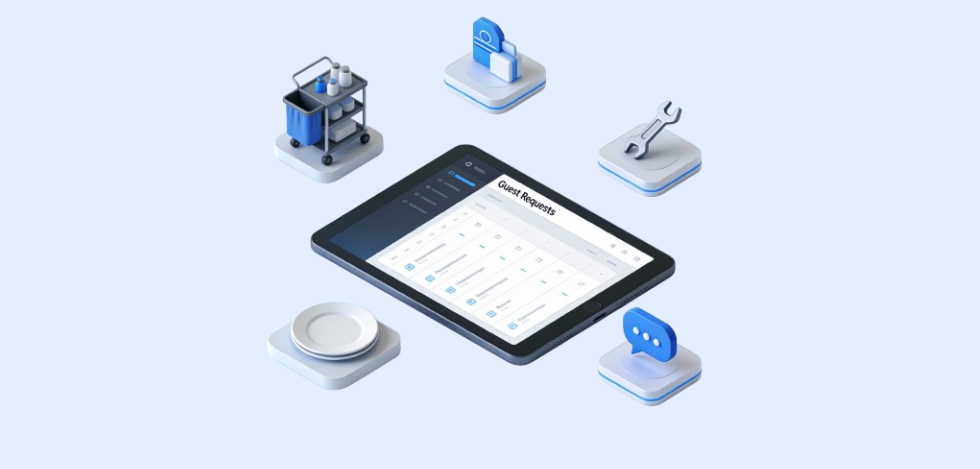
Automation reduces errors and improves guest experience
The right system connects hotels, agents, and suppliers in one flow
What It Really Means to Sell Hotels Online
Selling hotels online means making room inventory available to travelers and agents through digital channels that support search, booking, payment, and confirmation in real time, often through a Mark travel hotel operations platform that keeps the full flow connected from search to fulfillment.
At its core, online hotel selling depends on three things
Accurate inventory and rates
Reliable booking confirmation
Operational follow up after the booking
Without these, even high traffic does not convert into revenue.
Common Ways Businesses Sell Hotels Online
Direct Hotel Website
Hotels sell rooms directly through their own websites using a hotel booking engine. This gives full control over pricing, policies, branding, and customer data. It is the most profitable channel but requires proper technology and ongoing management.
A modern hotel booking engine supports real time availability, flexible pricing rules, promotions, and secure payments. Many hotels rely on standalone solutions or integrated platforms such as a dedicated hotel booking engine.
Online Travel Agencies
OTAs aggregate hotels from multiple suppliers and sell them to consumers globally. This brings volume but comes with commissions and limited control. Hotels often struggle with rate parity issues and dependency when OTAs become the primary sales channel.
B2B Hotel Distribution
Many travel agencies sell hotels through B2B platforms where agents access net rates, markups, and credit limits. This model is common for wholesalers, DMCs, and corporate travel sellers.
A structured B2B hotel booking platform allows agencies to scale distribution while maintaining pricing rules and agent accountability.
Hotel APIs and Aggregators
Hotel APIs connect sellers to thousands of hotels worldwide through a single integration. Suppliers like Hotelbeds, Priceline, and Booking.com provide inventory through APIs that deliver real time rates and availability.
Using hotel API booking systems reduces manual work and expands hotel coverage instantly.
How the Online Hotel Booking Flow Works
A typical online hotel booking follows a predictable flow
Search
The traveler or agent enters destination, dates, and preferences using a hotel search interface that returns live availability.
Availability and Pricing
The system checks internal inventory or connected suppliers and returns live rates.
Selection
Rooms, policies, and extras are presented clearly.
Payment
Payment is processed using cards, wallets, or credit terms.
Confirmation
The booking is confirmed instantly and stored for post booking management.
This flow must be reliable across all channels to avoid overbookings and customer disputes.
Operational Challenges Hotels Face Online
Many hotels struggle not because of demand, but because of operational gaps.
- Manual rate updates across platforms
- Inventory mismatches between channels
- Delayed confirmations
- Poor mobile booking experience
- Limited reporting and visibility
These issues directly impact conversion and guest trust.
Centralized hotel management systems address these challenges by keeping data consistent across all touchpoints.
Booking Technology That Actually Works
Booking Engine and Reservation Logic
The booking engine is the front facing component that travelers interact with. It must be fast, clear, and flexible. A reliable hotel booking software handles search logic, pricing rules, taxes, policies, and confirmations without manual intervention.
Channel and Supplier Integrations
Hotels that sell online successfully rely on API connections rather than spreadsheets. Integrations with suppliers like Booking.com and Priceline or Hotelbeds XML ensure rates and availability stay aligned. Operational teams often use Booking.com Extranet tools to manage rate updates, stop sell, and inventory changes without breaking parity.
Check In and Post Booking Systems
Selling online does not stop at confirmation. Hotels need smooth check in workflows and operational visibility. A connected hotel check in system improves front desk efficiency and guest satisfaction.
Comparison: What Businesses Usually Do vs What Works
| Area | Typical Approach | What Actually Works |
|---|---|---|
| Distribution | List hotels on multiple OTAs without a central system | Centralized booking and inventory management across all channels |
| Pricing Management | Manually update prices on each platform | Automated pricing synced in real time through APIs |
| Booking Confirmation | Rely on manual or email based confirmations | Instant automated confirmations with system level logging |
| Channel Control | Heavy dependence on OTAs for visibility and sales | Balanced mix of direct bookings B2B agents and OTAs |
| Inventory Accuracy | Frequent mismatches between channels | Single source of truth for availability and room data |
| Customer Experience | Basic booking journey with limited customization | Optimized booking flow with clear policies and upsell options |
| Reporting & Insights | Track performance loosely or manually | Built in reporting with revenue and channel performance visibility |
| Scalability | Hard to scale without increasing manual work | Scales easily through automation and supplier integrations |
How PHPTRAVELS Fits Into This Workflow
After understanding the challenges of selling hotels online, the role of an integrated platform becomes clear.
PHPTRAVELS provides a modular hotel selling environment that supports direct bookings, B2B agent distribution, and hotel API integrations in one system. The hotel module features are designed to handle real workflows used by travel agencies, OTAs, and hotel groups.
Conclusion
Selling hotels online is a business system, not a single feature. It requires reliable booking flows, centralized control, and technology that scales with demand. Hotels and travel businesses that invest in the right structure gain independence, higher margins, and better customer relationships.