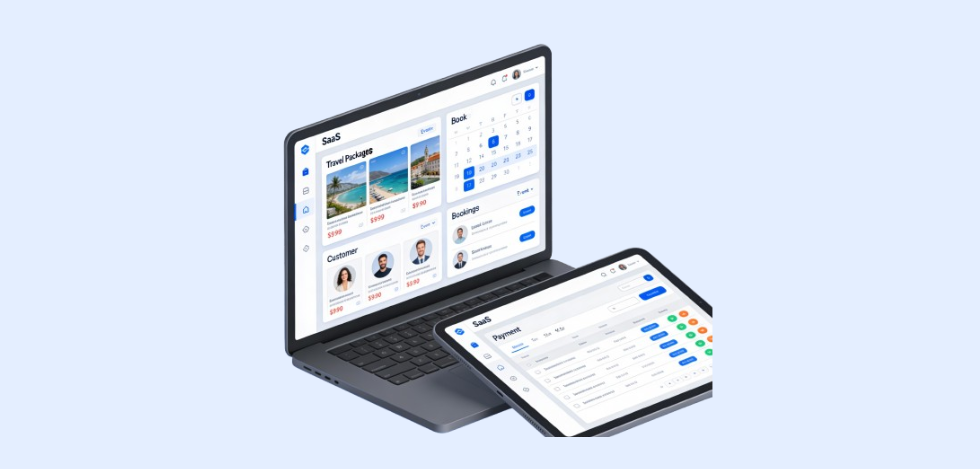
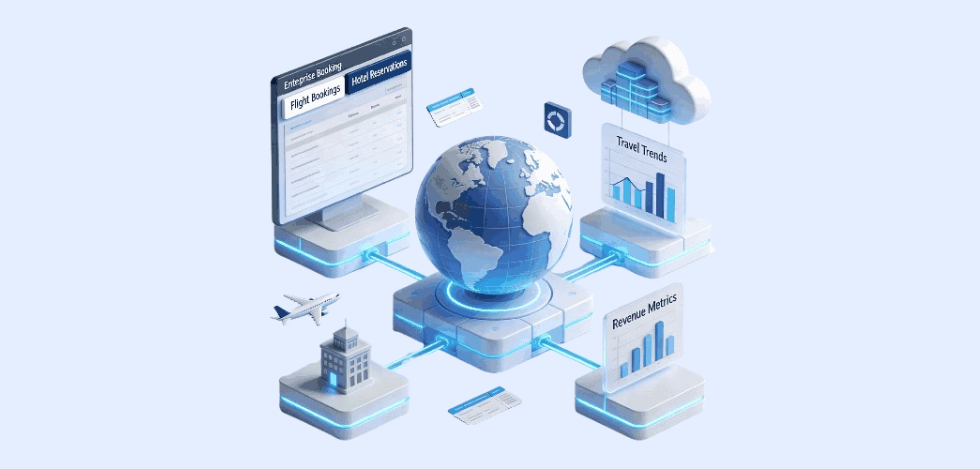
Travel companies rely on technology for almost every part of their business, yet many still struggle to define what travel software development services actually include. For some, the term means building a website. For others, it means launching a mobile app. In reality, travel software development services refer to designing and engineering the core systems that power search, pricing, booking, payments, supplier connectivity, automation, reporting, and daily operations.
As travel distribution becomes increasingly API driven and traveler expectations continue to rise, PHPTRAVELS delivers a platform designed to handle complexity quietly in the background. Search, pricing, booking, payments, supplier connectivity, and operations are engineered to run reliably at scale. For PHPTRAVELS customers, reliability, speed, and accuracy are not optional features. They are built into the foundation of the platform.
This guide explains what travel software development services truly mean, what systems are usually built, how modern travel platforms work, and how companies use these services to create stable, scalable operations.
Summary
- Travel software development services build the core systems behind search, pricing, booking, and operations
- They combine software engineering with deep travel industry knowledge
- They power OTAs, tour operators, DMCs, and enterprise travel platforms
- Strong platforms reduce booking failures, manual work, and operational risk
- Most successful companies use a hybrid approach of proven platforms plus custom development
What Travel Software Development Services Really Mean
Travel software development services refer to professional services focused specifically on building technology for travel businesses.
This typically includes:
- Booking and reservation engines
- Multi supplier search and pricing systems
- Travel portals and marketplaces
- Mobile booking applications
- Back office and CRM platforms
- Supplier API integrations
- Automation and workflow engines
Unlike generic development, this work requires understanding travel concepts such as inventory models, fare structures, cancellation rules, taxes, currencies, availability logic, supplier mappings, and confirmation workflows.
This is travel platform engineering, not simple website building.
Why Travel Companies Need Specialized Engineering
Travel platforms process large volumes of fast changing data. A single search can involve:
- Multiple supplier API calls
- Pricing rules and markups
- Currency conversions
- Availability checks
- Personalization logic
Without specialized engineering:
- APIs timeout
- Search becomes slow
- Bookings fail
- Manual handling increases
- Scaling becomes expensive
Travel software engineering focuses on:
- High concurrency handling
- Intelligent caching
- Supplier normalization
- Retry and fallback logic
- Resilient booking workflows
The result is faster search, higher booking success rates, and stable operations even under heavy load.
Core Building Blocks of Modern Travel Platforms
Booking and Reservation System
Manages search, availability, pricing, booking, amendments, cancellations, and refunds using a central reservations system
Unified Supplier API Layer
Aggregates multiple suppliers into a single internal interface and normalizes responses into a consistent format.
Pricing and Markup Engine
Applies commissions, contracts, promotions, dynamic pricing rules, and corporate agreements.
Automation Engine
Triggers vouchers, invoices, confirmations, emails, accounting exports, and supplier notifications.
Back Office Platform
Manages users, roles, products, contracts, reporting, finance, and operational settings.
Together, these components form the foundation of modern travel system development.
High Level Travel Platform Architecture
A modern travel platform is typically organized into layered components.
Presentation Layer
Web portals, mobile apps, and agent dashboards
Application Layer
Booking engine, pricing engine, user management, and automation workflows
Integration Layer
Unified supplier APIs, payment gateways, and third party services
Data Layer
Reservations, customers, products, contracts, logs, and reporting databases
Infrastructure Layer
Servers, load balancers, caching, backups, and monitoring
This layered structure allows teams to scale individual components without rewriting the entire platform.
Security, Compliance, and Data Protection
Travel platforms process personal data, payment information, and supplier credentials. Travel software development services must implement:
- Secure payment handling
- Encryption in transit and at rest
- Role based access control
- Audit logs and activity tracking
- Backup and disaster recovery
Security is not an add on. It is part of the architecture.
Travel Software Development Services for Startups
Startups usually need:
- MVP booking engine
- One or two supplier integrations
- Basic portal
- Admin dashboard
The objective is speed without architectural shortcuts that block future growth. Good travel platform development creates a lean foundation that can later expand.
Startups rarely need massive platforms on day one. They need focused functionality with extensibility.
Enterprise Travel Platform Development
Larger organizations typically require:
- Multi brand support
- Multi language and multi currency
- B2B and B2C channels
- Corporate travel policies
- Advanced reporting
- High availability infrastructure
Enterprise travel system development uses distributed architectures and scalable services to support heavy traffic and large transaction volumes.

Travel Software Development Process
Requirements Analysis
Business model, channels, suppliers, workflows, and growth plans.
Solution Architecture
System components, integrations, data flows, and security model.
UI and UX Design
Traveler journeys, agent tools, and admin workflows.
Development
Modules, APIs, integrations, and interfaces.
Testing and Quality Assurance
Booking flows, pricing accuracy, supplier behavior, and performance.
Ongoing Maintenance
Supplier changes, enhancements, and tuning.
Travel Software Solutions Commonly Built
- Online travel agency platforms
- B2B travel portals
- Tour operator platforms
- DMC systems
- Travel marketplaces
- Channel managers
- Mobile booking apps
Many of these solutions start from a base platform and are extended through professional travel software development services, often using systems such as PHPTRAVELS Apollo integration software when flight distribution and supplier connectivity are part of the model.
Operational Challenges Travel Software Must Solve
- Rate mismatches
- Overbookings
- Slow searches
- Failed confirmations
- Manual reconciliation
- Currency discrepancies
Travel software engineering addresses these using:
- Supplier normalization layers
- Intelligent caching
- Idempotent booking APIs
- Automated reconciliation
- Structured error handling
Build vs Buy vs Hybrid Travel Software Approaches
Build from Scratch
Full control, highest cost, longest timeline, high technical risk.
Buy Off The Shelf SaaS
Fast deployment but limited flexibility and differentiation.
Hybrid Approach
Use a proven travel platform foundation and extend it with custom modules.
Most companies succeed with the hybrid approach because it balances speed, cost, and long term control, especially when evaluating travel platform vendors by category before committing to a long term stack.
Example: What Happens During a Single Flight Search
- User enters route and dates
- Platform sends request to internal API layer
- API layer calls multiple flight suppliers
- Responses are cached
- Data is normalized
- Pricing engine applies rules
- Results are ranked
- UI displays offers
For booking:
- User selects flight
- Pre confirmation request sent
- Price revalidated
- Booking confirmed
- PNR received
- Voucher generated
- Invoice created
- Confirmation email sent
If a supplier fails:
- Retry with same supplier
- Fallback to alternative supplier
- Return error gracefully
This workflow runs thousands of times per minute on real platforms.
When Travel Software Development Fails
Most failures happen because:
- Platforms are built without travel domain knowledge
- Supplier APIs are integrated without normalization
- Booking workflows lack retry and fallback logic
- Systems are not designed for scale
Travel software development services exist to prevent these problems before they reach production.
Decision Factors When Choosing Travel Software Development Services
- Travel domain experience
- Supplier integration history
- Architecture quality
- Security practices
- Maintenance capability
- Proven deployments
Companies looking for long term success prioritize experience over generic development capacity.
Where PHPTRAVELS Fits
PHPTRAVELS provides a ready travel platform foundation combined with custom travel software development services
This approach is suited for:
- Agencies launching OTAs
- Tour operators building direct booking
- DMCs digitizing operations
- Enterprises extending existing systems
Instead of building everything from zero, companies start with core booking, supplier connectivity, and back office functionality, then extend with custom integrations, workflows, and modules.
This model balances speed, cost, and long term control.
Name Confusion and Common Searches
Some searches resemble travel software terms but relate to unrelated products or login systems. These do not represent travel technology development services and should not be confused with professional travel platform engineering.
Final Thoughts
Travel software development services build the digital backbone of modern travel companies. They power search, booking, pricing, supplier connectivity, and daily operations. When implemented correctly, they reduce manual work, prevent booking failures, and create a stable foundation for long term growth.