Tour operators rarely struggle because they cannot sell experiences. They struggle because operations break under volume. Availability becomes unreliable, pricing becomes inconsistent, confirmations get delayed, staff spend hours answering messages, and refunds multiply when scheduling is unclear.
Tour booking software exists to remove that operational friction. What features matter when you are running a tour business day to day, how to evaluate options, and what changes when you scale from a handful of bookings to high volume multi location operations.
Summary:
• Tour booking software centralizes inventory, pricing rules, payments, and confirmations so bookings can run with minimal manual work
• The best platforms focus on real time availability, flexible pricing, and clean cancellation workflows, not just a pretty booking page
• Pricing varies widely, but the real evaluation is cost of mistakes: overselling, refunds, staff time, and lost conversions
• If you sell through multiple channels or manage multiple brands, you need strong back office control plus integrations and reporting
• A proper evaluation includes a live booking flow demo, admin configuration review, and proof the system handles your operational edge cases
What is tour booking software
Tour booking software is a specialized reservation and management system built specifically for tours and activities. It is not a generic appointment scheduler and it is not a simple checkout widget. It combines customer booking with operator controls in a single workflow so availability, pricing, payments, and confirmations stay aligned.
At its core, it connects these operational components:
• Tour inventory and product catalog
• Time slots, departures, and multi day itineraries
• Seat capacity and participant rules
• Pricing logic, markups, commissions, taxes
• Add ons like pickup, meals, upgrades, gear, insurance
• Customer data, participant details, waiver information
• Payments, deposits, refunds, and reconciliation
• Confirmation delivery and vouchers
For many businesses, the goal is simple: convert demand into confirmed seats without turning every booking into a manual coordination task. That is why operators often adopt an online tour operator software platform that keeps the customer booking flow and the back office in sync.
Why tour operators adopt online tour booking software
Most operators move to tour booking software when one of these issues becomes expensive:
• Double bookings because inventory is not updated fast enough
• Pricing mistakes because rates live in spreadsheets or staff memory
• Low conversion because customers cannot book and pay instantly
• High support load due to manual confirmations and repeated questions
• Payment disputes due to unclear policies and weak documentation
• Channel chaos because direct sales, agents, and partners are not aligned
The most common shift is from fragmented tools to one tour operator booking software environment where scheduling, pricing, payment status, and confirmations are handled in a controlled workflow.

How tour booking software works in practice
A typical booking lifecycle looks like this:
- Customer selects a tour, date, and participants
- System checks live capacity and departure rules
- Pricing engine calculates base rate plus rules, taxes, markups, commissions
- Customer selects add ons such as transfers or meals
- Checkout runs payment or deposit logic
- Confirmation is generated and delivered instantly
- Inventory is deducted and dashboards update
- Cancellation and refund rules apply if changes occur
This flow should complete in seconds. If it takes too long, customers abandon. If it is unreliable, refunds and disputes rise.
Behind the scenes, serious platforms manage:
• Availability tables that update instantly per departure
• Pricing matrices for seasonal and tiered pricing
• Rule engines for group size, private vs shared, cutoffs
• Payment gateway connections and settlement states
• Notification services for email and voucher delivery
• Reporting data for finance and operational decisions
This is the operational core of a tour management system.
Core capabilities that matter for real operations
Real time availability and capacity control
Availability must update immediately when bookings are created, changed, or canceled. Delayed updates create overselling and refund disputes.
Look for support for:
• Per departure capacity
• Private and shared tour logic
• Blackout dates and stop sales windows
• Cutoff times and lead time controls
• Minimum and maximum participants
• Hold time for pending payments
This is the foundation for the most efficient tour reservation software because it prevents downstream damage.
Flexible pricing engine
Tour pricing is rarely flat. Pricing changes by season, day, group size, pickup zones, and add ons.
A strong pricing system should handle:
• Seasonal pricing and date based overrides
• Per person and per group rates
• Tiered pricing by participant type
• Private tour premiums
• Coupons and promotions
• Agent markups and commissions
For operators asking what is the best tour operator booking software, pricing control is one of the fastest ways to separate basic tools from real platforms.
Payments, deposits, and refund workflows
Online payments are not just about accepting a card. They are about tying payment state to booking state so staff are not chasing money manually.
Look for support for:
• Card payments plus local gateways where relevant
• Deposits and partial payments
• Payment deadlines for pending bookings
• Refund rules aligned to your policies
• Clear status transitions for finance reconciliation
Automated confirmations and customer communication
Instant confirmation reduces support workload and increases trust. Customers want a booking reference, the details, and clear instructions.
Confirmations usually include:
• Booking reference
• Tour details, date, time
• Meeting point and pickup notes
• Voucher or QR code
• Policy reminders and contact instructions
This is why queries like which software automates tour scheduling and confirmations keep appearing. In practice, confirmations are a cost control tool as much as a customer experience feature.
Product catalog management
A booking system must support structured tour content because content affects conversion and reduces pre sale questions.
You want control over:
• Itineraries and inclusions
• Images, media, highlights
• Policies and restrictions
• Pickup zones and logistics notes
• Add ons and upgrade options
• Multi language content if you sell internationally
Operators often manage this best inside tour operator back office software that keeps catalog, operations, and reporting connected.
Capabilities that growing operators require
Multi location and multi brand operations
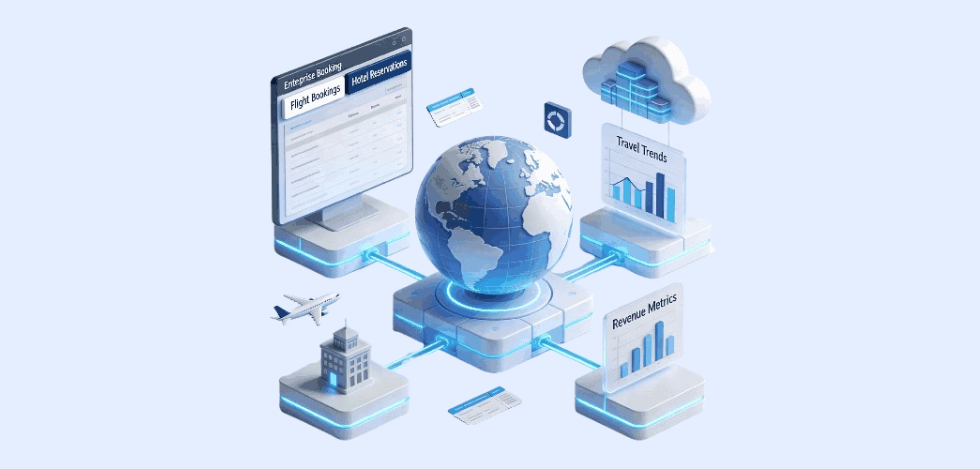
As you scale, you may run multiple destinations, multiple brands, and sometimes separate legal entities. The platform should support separation where needed, shared inventory where useful, and reporting by unit.
If you are searching for booking platforms for growing tour businesses, multi location control is one of the first requirements you will hit.
Distribution and partner sales
Scaling operators sell through more than one channel:
• Direct website sales
• Agents and resellers
• Corporate accounts
• Partner portals
• Marketplace style distribution
To handle this, many businesses adopt broader operational tooling found in a destination management system where distribution, back office control, and multi supplier workflows become essential.
CRM and customer relationship workflows
Tour operators who want repeat business need clean customer data, segmentation, and a record of preferences and purchase history.
This is where a CRM for tour operators becomes valuable, especially when integrated with booking history, cancellations, and upsell behavior.
Reporting, analytics, and operational intelligence
You cannot scale without visibility. Operators typically track:
• Revenue by tour and season
• Cancellation and refund rates
• Channel performance
• Conversion performance by product
• Guide utilization and capacity utilization
• Customer demand patterns by date and time
If you are looking for tour booking analytics software solutions, focus on whether reporting matches your operating decisions, not just whether charts exist.
Tour booking software by operator type
Different tour businesses use the same foundation, but their operational edge cases vary.
Independent and small operators
The most user friendly booking tool for independent tour providers is usually the one that:
• Sets up quickly
• Has a clean customer booking experience
• Supports online payment
• Issues confirmations instantly
• Keeps admin workflows simple
Many of these operators also search for free tour booking software or tour booking software free. Free tools can work for early testing, but most businesses outgrow them when they need deposit rules, stronger reporting, or better controls.
Food tour companies
Food tours often need:
• Fixed group sizes
• Time slot scheduling
• Dietary notes and special requests
• Clear meeting point logistics
• Add ons and upsells
If you are evaluating booking software for food tour companies or food tour booking software, ensure the system captures participant notes cleanly and keeps scheduling strict.
Adventure operators and multi day experiences
Adventure tour booking software often requires:
• Waivers and participant data
• Gear selection and safety notes
• Multi day itinerary scheduling
• Variable pickup and dropoff logistics
• Strong cancellation rules
Multi day tour booking software must handle inventory across days, not just a single departure.
Boat tours and cruises
Boat and cruises tour booking software typically needs:
• Vessel capacity management
• Departure schedules tied to location
• Dock logistics and check in flows
• Weather related policies and rescheduling workflows
If you are looking up key tools for boat tour booking software, prioritize capacity control, deposits, and clean rescheduling.
Private tours
Private tour booking software should support:
• Per group pricing
• Custom itinerary options
• Private availability blocks
• Participant details collection
• Upsells like transfers and premium add ons
Alternatives businesses compare against and what actually happens
Generic booking engines
These are often cheaper but lack tour logic. You can end up still doing manual work because capacity rules, private vs shared logic, and deposits are limited. The usual outcome is operational work remains high.
Marketplaces only
Marketplaces can provide demand, but you often give up:
• Branding control
• Customer ownership
• Pricing flexibility
• Margin due to fees or commissions
They can be part of a distribution strategy, but they rarely replace operational software.
Custom development
Custom builds can fit unique workflows, but they come with:
• High upfront cost
• Long timelines
• Maintenance burden
• Risk when requirements change
Many operators start here, then move back to dedicated platforms when maintenance becomes a full time job.
Dedicated tour booking software
Dedicated platforms exist to handle tour specific logic and operational workflows. Operators who want long term control often end up with a complete tour operator software platform rather than patching together tools.
Common mistakes when choosing a platform
These mistakes show up repeatedly across tour operations:
• Buying based only on price
• Ignoring live availability reliability
• Not testing cancellation and refund workflows
• Choosing tools without strong admin controls
• Underestimating multi location and partner sales needs
• Accepting weak reporting and reconciliation
• Skipping implementation planning and training
If you want a deeper look at why implementations fail, reasons tour operator software implementation fails.
How to evaluate tour booking software in a vendor demo
If you want expert picks for top tour booking software, the best method is not a feature checklist. It is a workflow test.
Ask the vendor to demonstrate:
• End to end booking flow from search to confirmation
• Availability update speed under back to back bookings
• Pricing rule setup for your real scenarios
• Add ons and upsells in checkout
• Deposit logic and payment state handling
• Cancellation and refund automation
• Admin roles and staff permissions
• Reporting for revenue, channels, and operations
• Multi location setup if you plan to scale
• API and integration support if you rely on partners
For a practical framework, see how to choose tour operator booking software.
Best tour booking software 2026
In 2026, the differentiators are less about having a booking page and more about operational control at scale.
Prioritize:
• Reliability of real time availability
• Flexibility of pricing and commission rules
• Clean deposits, refunds, and policy enforcement
• Multi channel and partner workflows
• Reporting that supports real decisions
• Support quality and implementation guidance
If you are comparing tour booking platforms, build your shortlist based on your operating model: independent operator, high volume multi location, partner driven distribution, or marketplace style operations.
Where PHPTRAVELS fits, after you know what you need
Once you understand the operational requirements, the next step is matching a platform to your use case.
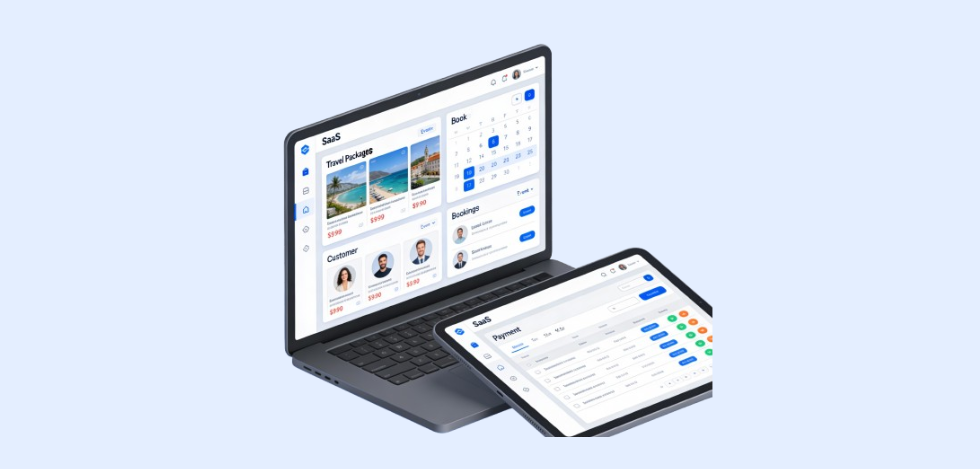
PHPTRAVELS provides a tour management system for tour operators, OTAs, and DMCs that need control over inventory, pricing, payments, and distribution. It is designed for businesses that want a tour booking software platform that supports both customer booking and back office workflows.
Common fit scenarios include:
• Tour operators building direct sales plus agent channels
• OTAs managing tours and activities inventory
• DMCs operating multi supplier experiences across destinations
• Teams that need configurable workflows and role based staff access
If your focus is an operator specific solution, explore the tour operators solution. If you want a dedicated operator booking environment, review tour operator booking software. If your team needs an open codebase for deeper customization, see tour operator software open source.
PHPTRAVELS has been building travel technology products for tour operators, OTAs, and destination management companies for more than a decade. The platform is used by thousands of travel businesses worldwide to manage tours, activities, hotels, and transportation with live inventory, pricing control, and integrated booking workflows.