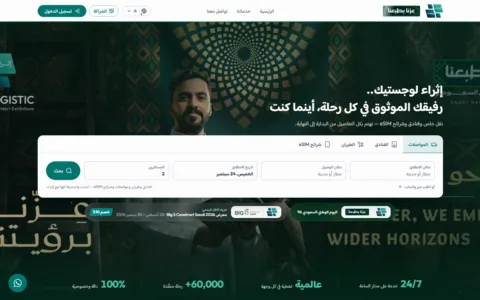
ithralogistic.com
Manage tour inventory, itineraries, groups, pricing, bookings, payments and daily operations in one system built for tour operators, DMCs and agencies.
A tour management system should do one thing exceptionally well turn inventory into confirmed bookings without chaos. PHPTRAVELS helps you publish tours control availability and pricing accept online reservations automate confirmations and run operations from a single back office.
If your team is handling tours in spreadsheets WhatsApp and manual invoicing you will lose bookings and waste time. PHPTRAVELS gives you a tour operator management system where inventory pricing availability bookings customer details payments and operational tasks stay in one workflow so you can sell online confidently and scale.
Most tour websites lose customers because the booking experience is unclear slow or missing real availability. This page is built to answer common buyer questions quickly show what the system does and guide visitors to the right module. It supports tourism management system needs for agencies OTAs and tour operators focused on operations and growth.
Policies inclusions cancellation rules vouchers and invoices stay consistent.
Mobile friendly flows for online bookings payments and confirmations.
A tour and travel management system is software that manages the complete lifecycle of a tour including inventory creation schedules pricing and availability customer bookings payments confirmations and post booking operations. It replaces manual workflows with a structured reservation system and a central back office for teams and suppliers.
Tours packages add ons inclusions and policies
Departure dates cutoffs capacity and blackout rules
Deposits invoices balances and vouchers
Booking changes messages and operational notes
Teams adopt travel management software when bookings grow beyond what manual tools can handle. With structured workflows operators reduce confirmation delays keep pricing consistent and respond faster to customers.
When you start selling packages connect with our flights ecosystem flight booking system flight API and flights module features
A practical workflow connects front end booking to back office operations so every reservation is confirmed tracked and fulfilled. This is the foundation of travel operations management software used by teams that handle volume.
Create tours packages inclusions policies and media
Availability capacity cutoffs pricing and taxes
Customers book pay and receive confirmation instantly
Run fulfilment supplier tasks invoices and reporting
If you are migrating from a basic tour booking system or building a new tour management app keep the integration clean and measurable.
Tour management software should support real workflows not just a catalog page. These features help operators deliver a consistent booking experience while keeping operations controlled.
Multi day planning inclusions exclusions galleries and policies
Seats cutoffs blackout dates and time slots for activities
Deposits partial payments invoice tracking and confirmation vouchers
Traveler details group pricing rooming lists and special requests
Booking confirmations reminders status updates and staff assignment
Sales cancellations supplier costs margins and operational KPIs
Your reservation system must protect customers and your operations. It should show real availability apply pricing rules capture traveler details and confirm bookings with clear documentation. This is how travel booking software earns trust.
Multi day itineraries and capacity control
Time slots and add ons for upsell
Departures meeting points and vouchers
Tours plus hotels and flights when needed
Many operators need both direct sales and agent distribution. PHPTRAVELS supports B2C booking journeys and B2B workflows like agent pricing credit handling and controlled access.
A travel technology platform becomes valuable when it connects modules and keeps your data consistent. Use tours as your base then expand into flights and distribution as your business grows.
Operators often combine tours with flight and hotel inventory when building packages. PHPTRAVELS supports modular growth and integration planning as your travel distribution system evolves.
The best tour management software for operators depends on how you sell, how you fulfill, and how you want to grow.
| Option | Best for | Limitations | PHPTRAVELS advantage |
|---|---|---|---|
| Spreadsheet and manual tools | Low volume | Overbookings, slow confirmations, inconsistent pricing | Structured inventory, availability rules, and automated confirmations |
| Basic tour booking widget | Simple B2C selling | Weak back office, limited reporting, poor B2B handling | Back office automation, roles, invoices, and operational tracking |
| Marketplace dependence | Demand capture | Fees, limited customer ownership, restricted control | Own your brand, bookings, customer data, and pricing strategy |
| Custom build from scratch | Unique requirements | Long delivery, high cost, ongoing maintenance risk | Modular foundation with faster go live and expansion options |
| PHPTRAVELS tours module | Agencies, OTAs, operators, DMCs | Requires structured setup for rules and workflows | Tour management system with operations, reporting, and module growth |
Review inquiry, quote, deposit, confirmation, supplier notification, voucher, amendments, cancellations, refunds, and post trip follow up before choosing software.
Prioritize real time availability, capacity management, dynamic pricing, cancellation rules, multi currency checkout, and secure payment gateway support.
Look for user roles, supplier contracts, automated invoicing, voucher generation, reporting dashboards, commissions, markup control, and audit trails.
Make sure the system can support new destinations, agent sales, branches, thousands of bookings, APIs, and future product expansion.
The right platform should match your tour business model, not just a feature list. Outbound operators, inbound DMCs, domestic operators, FIT specialists, and group tour companies all need different operational controls.
Strong tour operations best practices connect package building, group capacity, CRM visibility, supplier coordination, payments, vouchers, and reporting in one operating flow. This gives tour operators a repeatable process for every departure instead of relying on disconnected calendars and manual follow-ups.
Create day tours, multi day packages, inclusions, exclusions, policies, and add ons from one workflow.
Keep customer details, booking notes, supplier tasks, confirmations, and vouchers connected after checkout.
Sell direct to travelers and support agent sales with role based pricing, credit, commissions, and reporting.
Use structured inventory, pricing, and availability controls before expanding into partner or channel manager workflows.
Sell your own tours and connected activity inventory from one storefront, with per-departure pricing and your own margin rules.
Departures, capacity, traveller details and documents in one place, so a group booking does not live in a spreadsheet.
Your own products and connected supplier content share one data model, which keeps reporting and extensions simple.
The platform connects to suppliers; it does not come with their inventory. You sign with each bed bank, consolidator or GDS directly and they issue the API credentials the software uses. Your licensing or accreditation to sell is yours too. Any vendor implying their platform arrives with rates attached is worth a direct question about whose contract those rates sit under — see what we actually connect.
One codebase, one admin, one set of commercial rules across every product line you sell.
Yes. Your own products and connected activity suppliers sit in the same catalogue, share one checkout and follow the same pricing and document rules.
No. PHPTRAVELS connects to suppliers; it does not grant access to their inventory. You sign with each bed bank, consolidator or GDS directly and they issue your API credentials, which the platform then uses. Start those conversations early — they usually take longer than the software.
It is self-hosted and ships with its source code, so you can read it, audit it and change it. That is not the same as a public open-source project with a permissive licence. You buy a commercial licence to use and modify the code, and you run it on your own infrastructure.
It is quoted per project rather than sold at a list price, because a platform running two supplier APIs for one brand is a different build from one running twelve across an agent network. The pricing page walks through those choices and returns a quote.
There are 30+ supplier and payment integrations built today, listed on the integrations page. That list is generated from what is actually connected rather than maintained by hand, so it is the one to check before planning a launch.
Not for day-to-day selling. You need someone to look after a PHP and MySQL server, or managed hosting to do it for you. You need a developer when you want to change how the platform works — which is what having the source code makes possible.
The demo is the real platform, not a video. Pricing is quoted against the modules and suppliers you actually need.
Also worth reading: how we compare with the alternatives, the suppliers and gateways we connect, and the setup documentation.
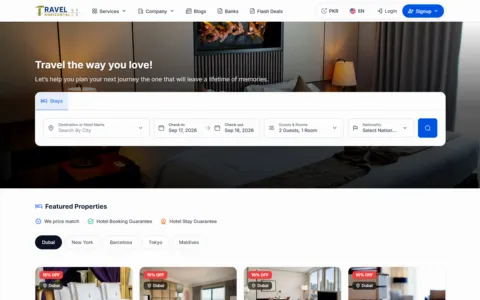
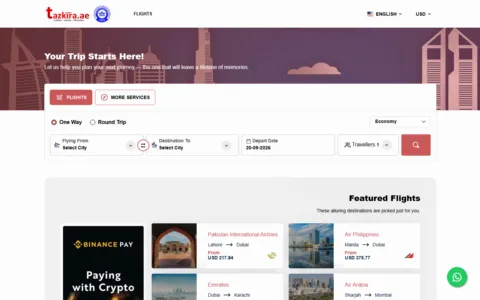
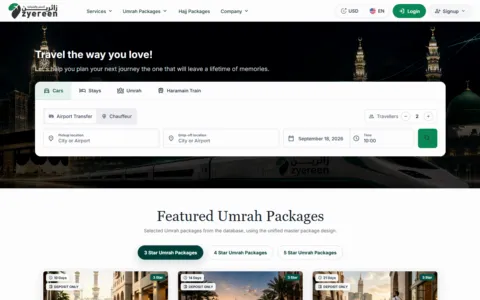
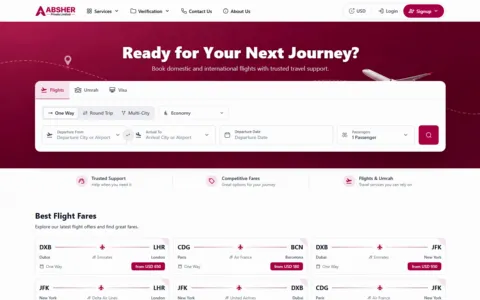
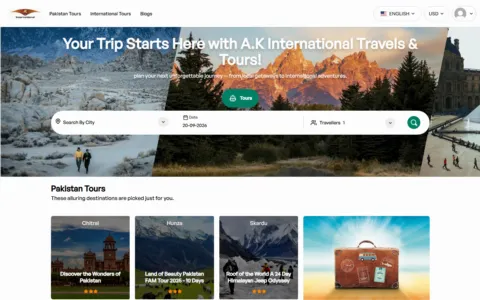
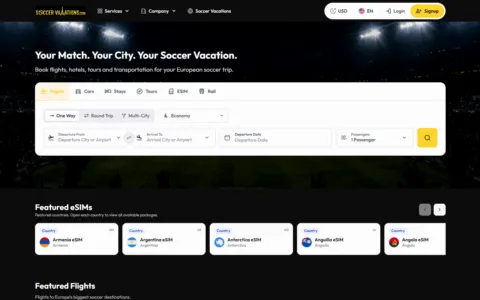
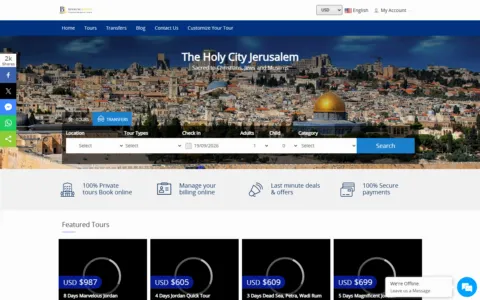
Travel businesses running live on PHPTRAVELS. Visit their websites and see the platform in production.


Fresh insights, product updates, and practical travel-tech guidance from our latest articles.


