OTA bookings are one of the most important growth channels for online travel agencies, travel agents, tour operators, and travel startups. When travelers search for hotels, flights, tours, transfers, or complete travel packages, they expect fast results, live availability, secure payments, and a smooth booking experience.
For an online travel agency, getting more bookings is not only about adding more products. It is also about making the booking process easier, faster, more reliable, and more connected. Modern travel technology helps OTAs manage inventory, automate reservations, connect suppliers, improve user experience, and increase conversions from the same traffic.
If your OTA still depends on manual reservations, limited suppliers, delayed confirmations, or disconnected systems, it becomes harder to compete. A modern online travel agency system can help you manage bookings, suppliers, payments, customers, and operations from one place.
What Are OTA Bookings?
OTA bookings means reservations made through an online travel agency platform. These bookings can include hotel rooms, flights, tours, car rentals, transfers, activities, or travel packages. Instead of contacting every supplier manually, travelers use an OTA website or app to compare options, check prices, view availability, and complete the booking online.
For travel businesses, OTA bookings create a digital sales channel where customers can search, select, pay, and receive confirmation without long manual communication. This is why OTAs need reliable technology behind the website, because every search result, price, confirmation, and payment step affects the final booking decision.
Why Modern Technology Matters for OTA Booking Growth
Travelers are no longer patient with slow websites, outdated prices, unclear policies, or complicated booking forms. They compare options quickly and move to another platform if the experience feels difficult. Modern travel technology helps reduce these problems by connecting inventory, automating operations, and improving the complete customer journey.
Good technology can help OTAs:
- Show real-time hotel, flight, tour, and car rental availability
- Reduce manual work for agents and support teams
- Improve booking speed and confirmation accuracy
- Connect multiple suppliers through APIs and GDS systems
- Offer better search filters and personalized results
- Manage payments, invoices, vouchers, and customer records
- Increase repeat bookings through email, CRM, and customer engagement
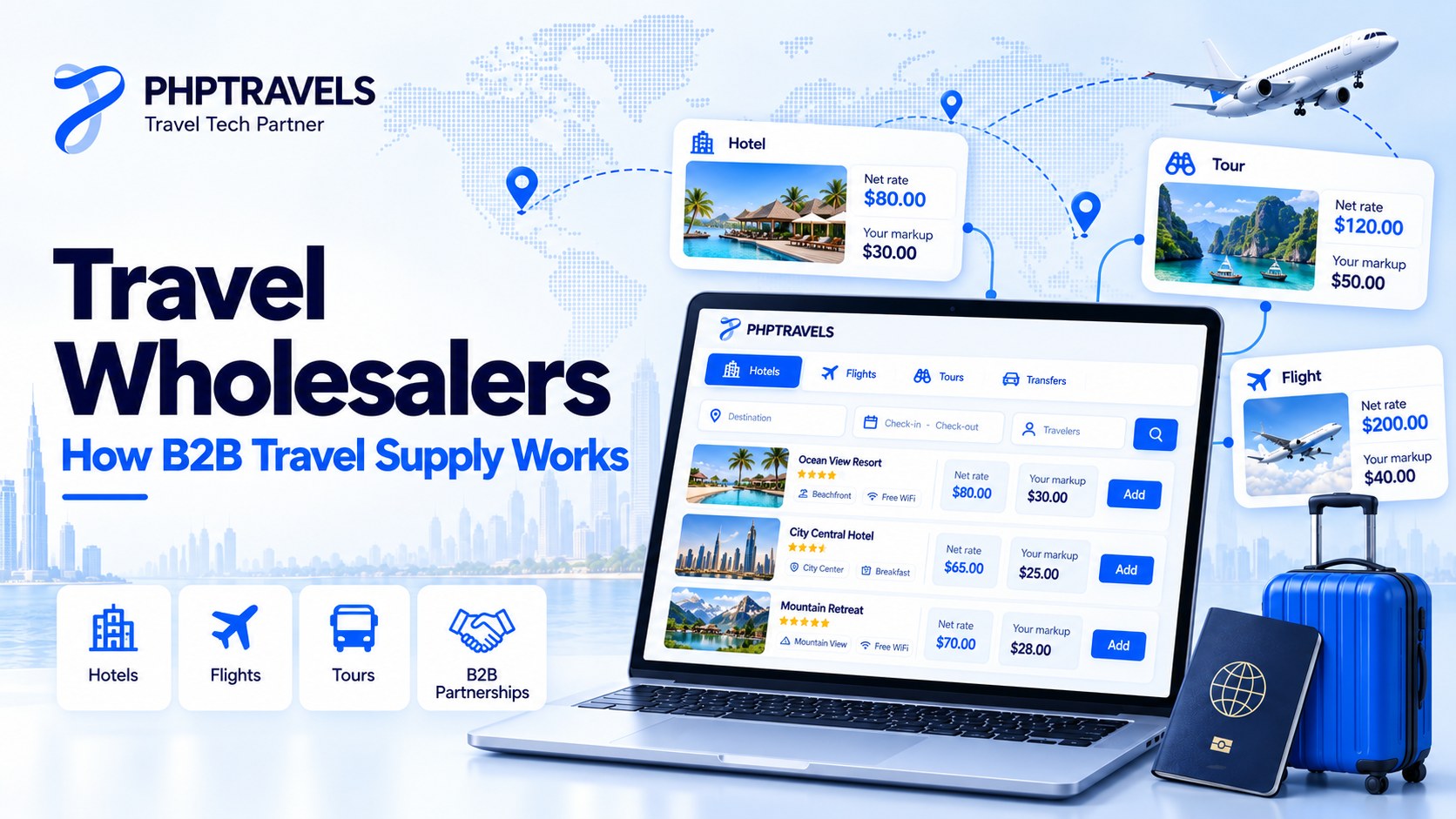
Expand OTA Inventory with GDS Integration
A Global Distribution System, also known as GDS, helps OTAs access a large network of travel inventory. This can include flights, hotels, car rentals, and other travel products from different suppliers. For many OTAs, GDS integration is one of the strongest ways to expand inventory and improve booking opportunities.
With a connected GDS travel system, your OTA can show live availability, updated pricing, and booking options from multiple providers. This gives travelers more choice and helps your platform compete with larger travel websites.
GDS integration is useful because customers often want to compare different travel services in one place. A traveler may want to book a flight, reserve a hotel, and arrange transportation for the same trip. If your OTA can provide these options from a central platform, users do not need to switch between different websites.
Use Travel API Integration to Connect More Suppliers
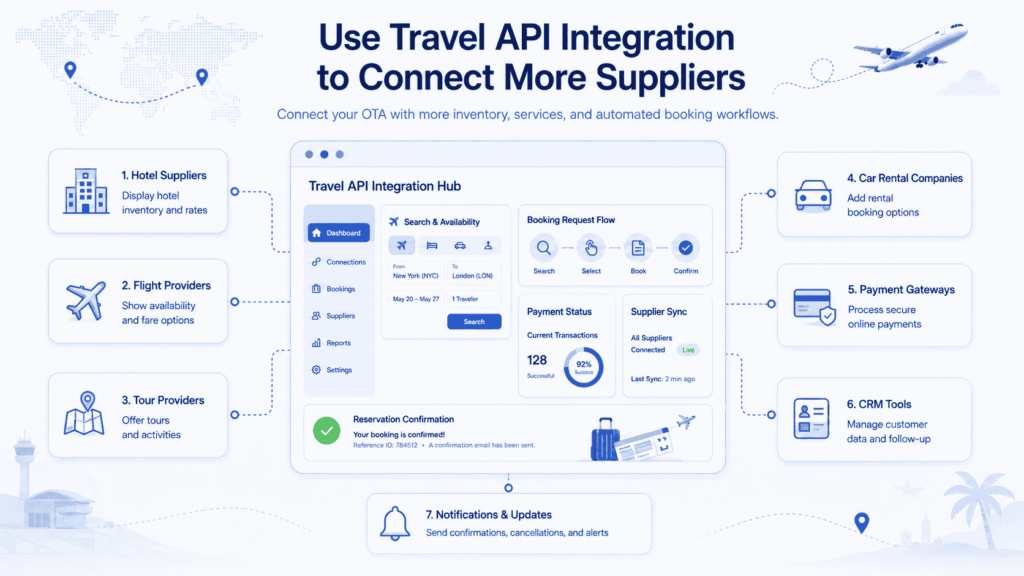
Travel API integration allows your OTA to connect with hotel suppliers, flight providers, tour providers, car rental companies, payment gateways, CRM tools, and other travel services. APIs help different systems communicate with each other so your website can display data, send booking requests, process payments, and confirm reservations automatically.
A strong travel API integration setup can help your OTA add more products without building every supplier connection manually from scratch. This is important because supplier variety directly affects the quality of your booking platform.
For example, if your OTA only has limited hotel inventory, customers may not find the right room or price. But when your platform is connected with multiple hotel, flight, and activity APIs, users get more options and better chances of booking.
Travel API integrations can help with:
- Hotel search and booking
- Flight availability and ticketing
- Tour and activity reservations
- Car rental bookings
- Payment gateway processing
- Customer notifications
- Supplier confirmation and cancellation updates
Improve Flight and Hotel Options with Sabre Integration
Sabre is one of the known GDS and travel technology providers used by travel companies worldwide. For OTAs that want to offer wider flight and hotel inventory, Sabre integration can be an important part of the booking system.
With Sabre API integration, an OTA can connect with travel inventory and make the shopping and booking process more efficient. This can support flight search, hotel availability, booking workflows, pricing, and other travel services depending on the business model and integration setup.
For users, this means better access to travel options. For the OTA, it means stronger inventory, smoother operations, and more chances to convert search visitors into confirmed bookings.
Use AI to Improve OTA Search and User Experience
Artificial intelligence can help OTAs understand customer intent and improve the booking journey. Travelers do not always search in the same way. Some want budget hotels, some want business travel options, some want family-friendly stays, and some want flexible cancellation.
AI can help analyze search behavior, booking patterns, previous purchases, location preferences, and customer interests. This information can be used to show more relevant results and reduce the time users spend searching.
AI can support OTA bookings through:
- Smarter search recommendations
- Personalized hotel and flight suggestions
- Automated customer support chat
- Dynamic pricing insights
- Better filtering and sorting of results
- Customer behavior analysis
- Follow-up offers based on user interest
When users see relevant travel options faster, they are more likely to continue the booking process. This is why AI is becoming more useful for OTAs that want to improve conversion rate and customer satisfaction.
Automate Booking Confirmations and Back Office Tasks
Many OTA businesses lose time because their team has to confirm bookings, update availability, send vouchers, manage cancellations, and handle customer records manually. Manual work can create delays, errors, and a poor customer experience.
Automation helps OTAs manage these steps more efficiently. Once a customer completes a booking, the system can send confirmation emails, generate vouchers, update the booking status, notify the supplier, and store customer details automatically.
How Tour Operators Manage OTA Bookings
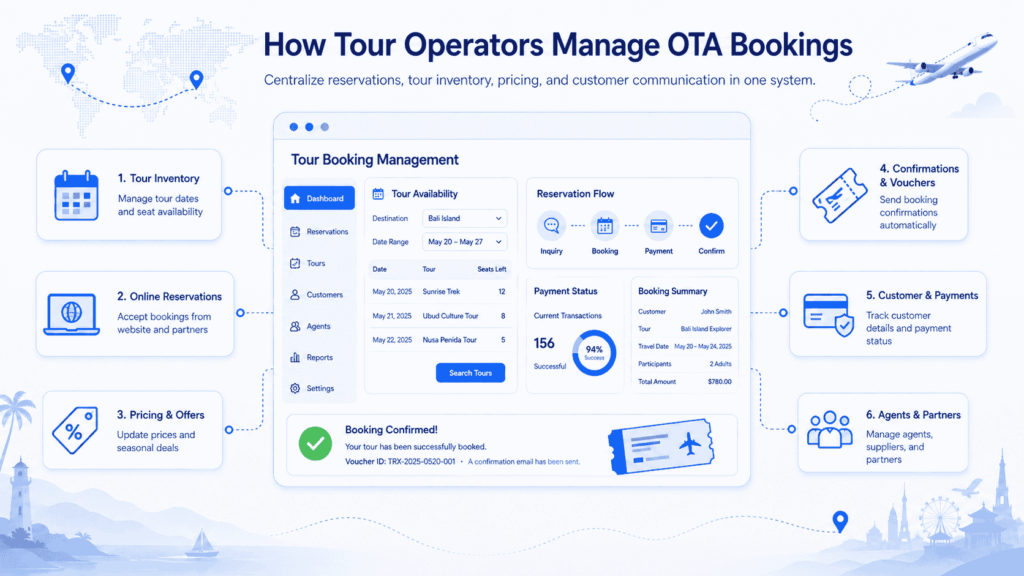
Tour operators manage OTA bookings by using software that keeps their packages, availability, pricing, reservations, and customer communication organized. Instead of tracking every booking manually, they can use a system to manage tour dates, seat availability, pickup details, payments, invoices, and customer records.
For tour operators, OTA bookings can come from their own website, partner agents, marketplaces, or direct customer inquiries. A centralized system helps them avoid double bookings, missed confirmations, and pricing confusion.
Good tour booking technology can help operators:
Manage tour inventory and available dates
Accept online reservations
Update prices and seasonal offers
Send booking confirmations and vouchers
Track customer details and payment status
Manage agents, suppliers, and partners
Build Direct Booking Channels to Reduce Long-Term Costs
Many travel companies rely heavily on third-party platforms for exposure. These channels can bring bookings, but they may also include commissions, dependency, and limited control over customer relationships.
A smart OTA strategy is not only about getting bookings from external channels. It is also about building a stronger direct booking channel through your own website, app, email list, customer accounts, and repeat booking offers.
Some travel businesses use automation to cut costs and transition more OTA bookings into direct repeat bookings. For example, after a customer books once, your platform can send follow-up emails, special offers, loyalty deals, or destination recommendations. This helps you build a direct relationship with the traveler instead of depending only on paid ads or third-party channels.
Make Mobile Booking Easier
Many travelers search and book from mobile devices. If your OTA website is slow, hard to navigate, or difficult to use on mobile, users may leave before completing the booking.
A mobile-friendly OTA experience should include fast loading pages, clear search filters, simple checkout steps, readable pricing, secure payment options, and easy access to booking details.
Mobile booking improvements can help increase OTA bookings because users can complete reservations wherever they are, whether they are at home, at work, or already traveling.
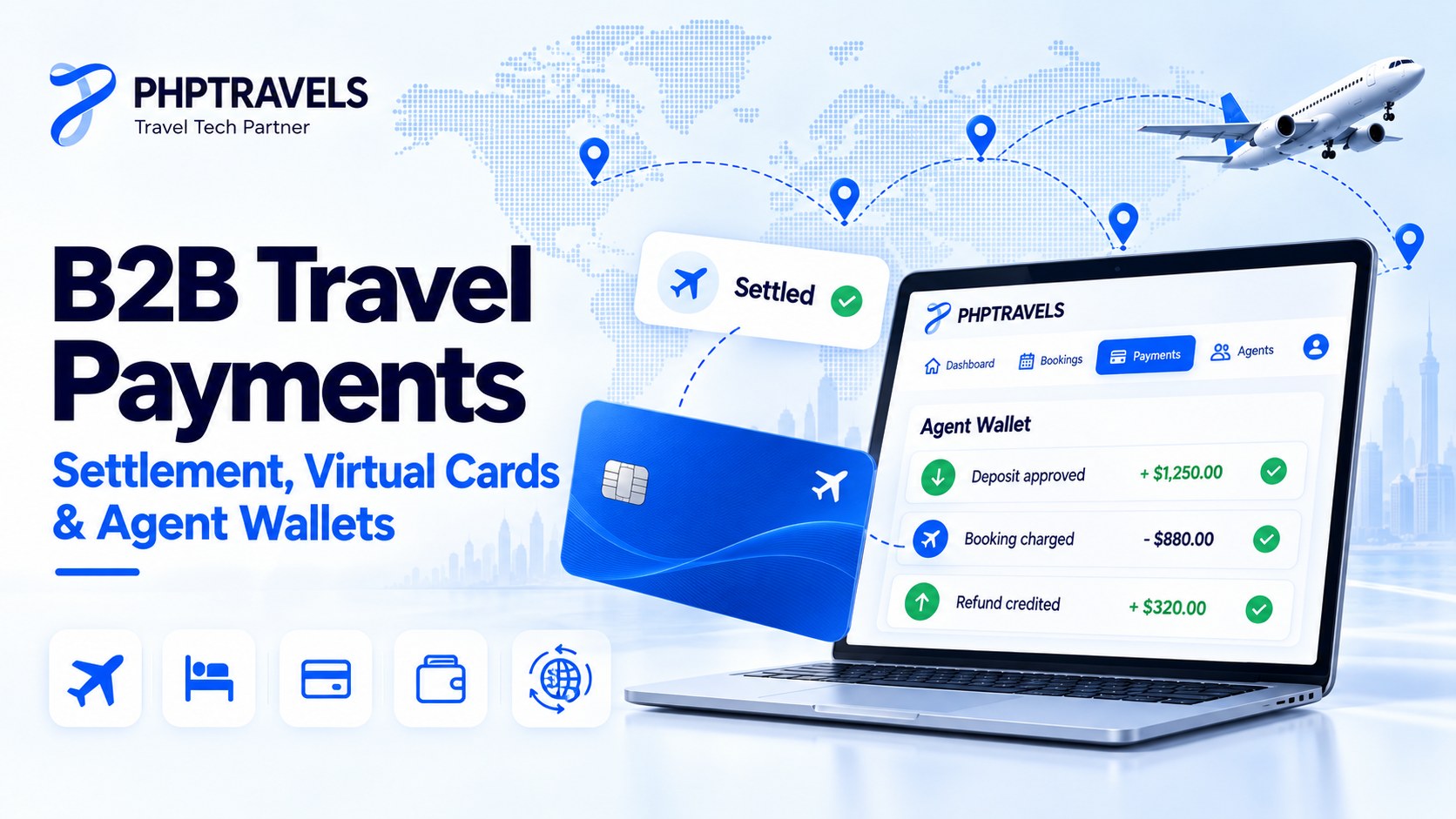
Add Secure Payment Gateway Options
Payment experience is a major part of the booking journey. Even if users find the right hotel, flight, or tour, they may abandon the booking if payment options are limited or the checkout process does not feel secure.
Modern OTAs should support trusted payment gateways, multiple currencies if needed, invoice generation, payment status tracking, and clear refund or cancellation policies. A smooth payment process builds trust and reduces friction at the final conversion step.
Use CRM and Email Follow-Ups for Repeat Bookings
Not every visitor books on the first visit. Some users compare prices, check dates, speak with family, or return later. CRM and email automation help OTAs stay connected with these users.
You can send abandoned booking reminders, seasonal offers, destination guides, coupon codes, or personalized package suggestions. This turns one-time visitors into repeat customers and helps increase lifetime value.
A good OTA booking strategy should not end after the first reservation. It should continue through customer communication, support, and repeat engagement.
Connect the Complete OTA Workflow in One System
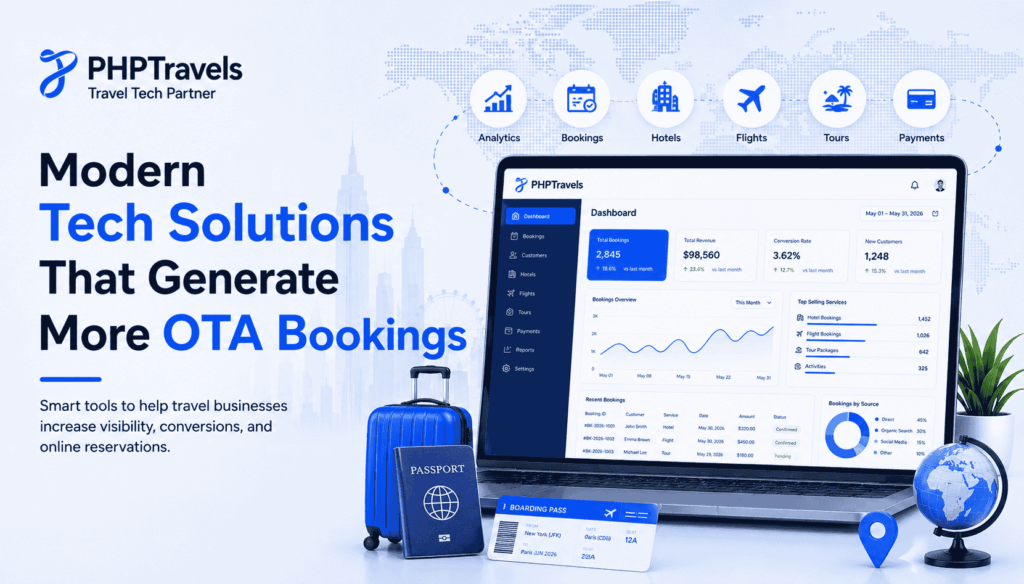
To generate more OTA bookings, your technology should support the full booking journey. This includes search, inventory, pricing, booking, payment, confirmation, customer management, reporting, and support.
A complete travel platform such as PHPTRAVELS can help travel companies manage multiple booking modules and business workflows from one system. You can explore the platform through the PHPTRAVELS demo to understand how online travel booking operations can be managed with a ready travel technology solution.
When your system is connected properly, your OTA can reduce manual errors, save time, offer more inventory, and provide a better user experience. These improvements can directly support more completed bookings.
Final Thoughts
OTA bookings grow when your platform gives users what they need quickly and clearly. Travelers want real-time availability, competitive prices, simple navigation, secure payments, and instant confirmation. Travel businesses need supplier connections, automation, reporting, and customer management to support that experience.
Modern tech solutions such as GDS integration, travel APIs, AI-powered search, payment gateways, CRM automation, and mobile-friendly booking flows can help OTAs improve performance and increase bookings.
If your online travel agency wants to compete in a fast-moving travel market, investing in better technology is no longer optional. It is one of the most practical ways to improve user experience, reduce operational work, and generate more OTA bookings.