If you run a travel agency OTA or hotel group you already know the pressure. Customers expect instant availability clear pricing and immediate confirmation. Agents expect control over margins and inventory. Hotels expect clean reservations and fewer errors. What most businesses do not see is the complex system working quietly behind every successful booking.
Hotel booking software is not just a website feature. It is an operational backbone that connects suppliers distribution partners payments and guest data into one continuous flow. Understanding how it works helps decision makers avoid costly mistakes and build systems that actually scale.
- Hotel booking software is the core system that connects customers, travel agents, hotels, suppliers, and payments into one controlled booking flow.
- A modern platform uses layered architecture to handle search, availability, pricing rules, confirmations, and post booking operations in real time.
- The booking flow runs from search to confirmation to post booking management without manual intervention, reducing errors and operational delays.
- System quality depends on key modules such as the reservation engine, supplier connectivity, B2B agent controls, and reporting.
- Businesses that scale successfully focus on ownership of data, multi supplier flexibility, and operational control rather than just front end booking screens.
Core architecture of hotel booking software
At its foundation hotel booking software is built as a multi layer system designed to handle volume speed and accuracy.
User interface layer
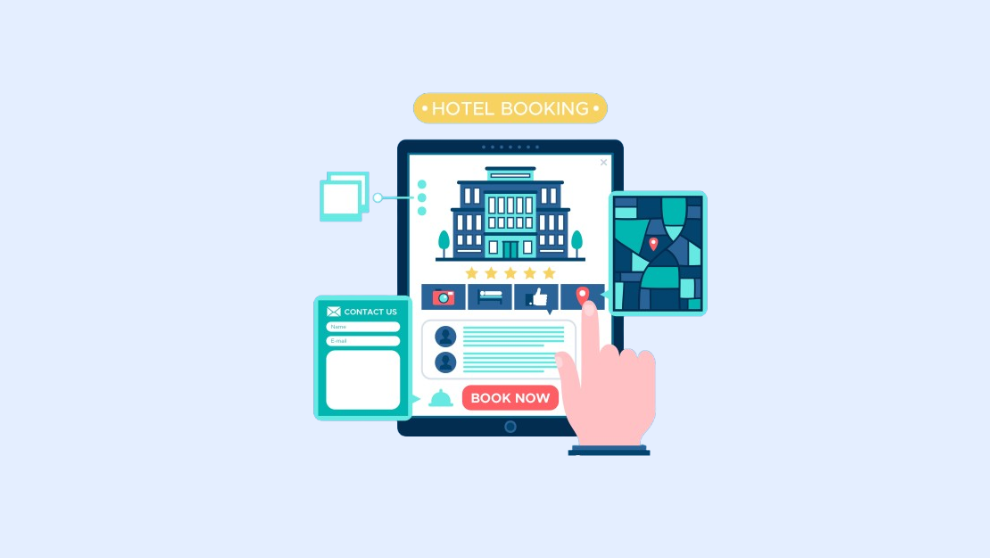
This is where travelers and agents interact with the platform.
B2C booking engines focus on speed filters and clarity.
B2B agent panels focus on credit limits commissions and booking control.
Mobile responsiveness is no longer optional.
Application logic layer
This layer does the real work.
It processes search requests validates availability calculates pricing and applies business rules.
Markups commissions cancellation policies and taxes are handled here.
This layer also controls supplier selection when multiple sources return the same hotel.
Data and storage layer
All operational data lives here.
Hotels rooms rate plans bookings guest profiles and transaction records are stored securely.
This layer ensures bookings are traceable auditable and recoverable.
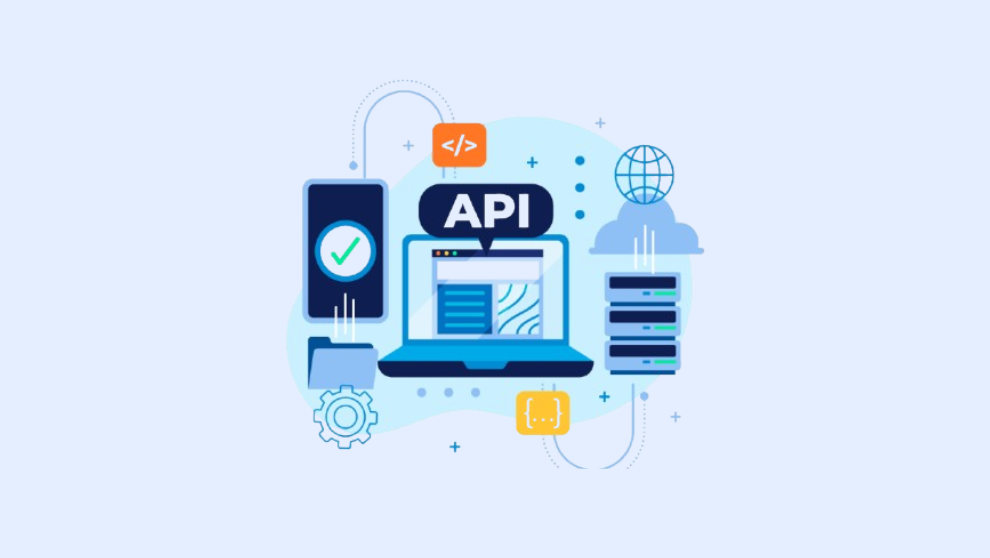
Integration and API layer
This is how the platform talks to the outside world.
Hotel suppliers global consolidators channel managers and payment providers connect through APIs.
For a deeper look at how hotel APIs work in practice see What is a hotel API and why it matters.
Modern platforms rely on multiple suppliers such as Booking and Priceline integrations or Hotelbeds connectivity to maintain availability and pricing depth.
Hotel booking process flow step by step
A booking is not a single action. It is a controlled sequence.
Search and request
The user enters destination dates and occupancy.
The system sends structured requests to connected suppliers and internal inventory, powering hotel search results from multiple sources.
Availability and pricing response
Suppliers return rates room rules and policies.
The system normalizes this data into a single format.
Currency conversion and markup logic are applied.
Selection and reservation
The user selects a room.
The system rechecks availability to avoid mismatches.
A provisional booking is created.
Payment and confirmation
Payment gateways process the transaction.
Once confirmed the booking is finalized and logged.
Hotels or channel managers receive the reservation instantly.
Post booking operations
Confirmations are sent automatically.
Amendments and cancellations follow predefined rules.
Inventory updates propagate across channels.

Key modules that define system quality
Hotel reservation engine
The core module responsible for search booking and confirmation.
A real example of how this works in production is explained in Hotel reservation system example.
B2B agent management
Agencies selling to other agencies need credit control commission rules and reporting.
This is where B2B hotel booking platforms succeed or fail.
See how structured B2B distribution works in B2B hotel booking platforms.
Supplier and inventory management
Multiple suppliers reduce dependency and pricing risk.
Systems must handle overlapping hotels duplicate content and conflicting policies.
For guidance on sourcing rates read Best B2B hotel suppliers.
Hotel booking engine module
This module focuses on conversion speed and clarity for end users.
A practical overview is available at Hotel booking engine overview.
Operations and check in workflows
Beyond booking hotels need smooth arrival and guest handling.
Integrated check in systems improve accuracy and reduce front desk load.
Learn more at Hotel check in system software.
Management and reporting
Revenue performance agent productivity supplier comparison and booking trends all depend on clean data.
This is where hotel management systems add operational value.
Common ways businesses approach this problem
What usually happens
Many startups begin with a single supplier and basic booking logic.
This works until volume increases or pricing becomes inconsistent.
Others rely entirely on third party platforms and lose control over margins and customer data.
Common mistakes
Underestimating post booking operations.
Ignoring B2B requirements while focusing only on B2C.
Building without clear ownership of data and workflows.
Choosing systems that cannot scale beyond one market.
What actually works
Multi supplier architecture from day one.
Clear separation between booking logic and presentation.
Strong agent and supplier control modules.
Systems designed for both growth and compliance.
Where PHPTRAVELS fits naturally
After understanding how hotel booking software works the next step is choosing a platform that aligns with your business model.
PHPTRAVELS focuses on modular hotel booking software that supports B2C B2B and hybrid operations without locking businesses into rigid workflows.
The hotel module is designed to handle real world supplier complexity agent distribution and operational control as detailed in Hotel module features.
It is commonly used by agencies building scalable hotel booking software and platforms connecting multiple hotel APIs through a unified booking system.
Name confusion and common searches
Some searches related to booking software refer to login terms freeware or unrelated systems.
These often point to limited tools or non commercial solutions that lack supplier connectivity support or scalability.
For professional travel operations these options are typically unsuitable beyond testing.
Conclusion
Hotel booking software is not just a reservation tool it’s a complete digital ecosystem for travel businesses. From its layered architecture to the booking flow and agent modules, every piece works together to deliver instant results to travelers while boosting revenue for agencies and hoteliers.
If you’re ready to launch or upgrade your portal, explore our hotel booking software to see how it can transform your travel business.