As online travel distribution becomes increasingly automated and competitive, many travel agencies eventually outgrow manual booking portals. At scale, relying on extranets slows down operations, limits automation, and restricts online growth.
While a standard Bedsonline travel agent login is designed for manual bookings, API integration allows agencies to connect Bedsonline’s hotel inventory directly into their own booking systems, websites, or internal platforms.
This guide explains how Bedsonline API integration works, what Bedsonline XML access means in practical terms, and which types of travel agencies benefit most from technical connectivity. It is written specifically for developers, CTOs, and technical decision-makers who want clarity before planning an integration project.
What Is Bedsonline API Integration?
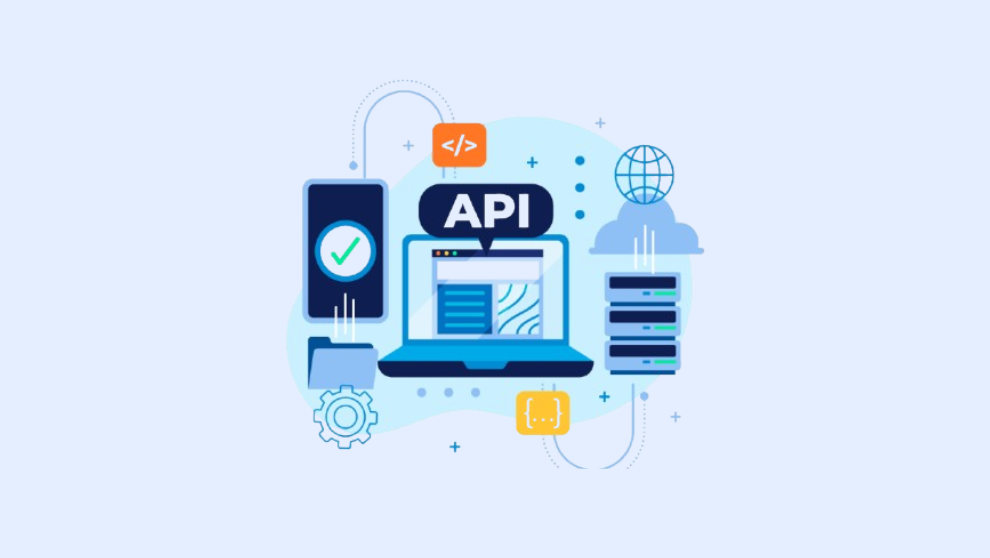
Bedsonline API integration allows travel agencies to programmatically access Bedsonline’s accommodation inventory and booking functionality using structured data instead of a manual web interface.
Rather than logging into the Bedsonline agent portal, your system communicates directly with Bedsonline through secure APIs (commonly referred to as Bedsonline XML in the travel industry).
Through API connectivity, agencies can:
- Search hotels programmatically
- Retrieve real-time availability and pricing
- Create bookings automatically
- Manage cancellations and amendments
- Sync confirmations directly into internal systems
This approach is essential for agencies that operate at volume or offer online hotel booking experiences.
Bedsonline XML: What Does It Mean?
In travel technology, the term Bedsonline XML typically refers to structured machine-to-machine communication between Bedsonline and external booking platforms.
Key characteristics of Bedsonline XML / API access include:
- Machine-readable data exchange
- Standardized request and response formats
- Secure authentication and authorization
- Real-time inventory and pricing updates
While XML has historically been the dominant format, modern Bedsonline integrations may also involve REST-style APIs depending on region and technical agreements.
From a development perspective, the core objective remains the same: automated, real-time access to supplier inventory without human intervention.
Bedsonline API vs Bedsonline Agent Login
From a technical planning standpoint, understanding this distinction early can prevent costly architectural mistakes later.
Key Differences: Bedsonline Portal vs API Integration
| Feature | Bedsonline Agent Login | Bedsonline API Integration |
|---|---|---|
| Usage | Manual portal | System-to-system |
| Target user | Travel agents | Developers & platforms |
| Automation | No | Yes |
| Online sales | Limited | Fully supported |
| Scalability | Low | High |
A travel agency Bedsonline login works well for operational bookings.
API integration, however, is designed for automation, online sales, and long-term scalability.
Who Should Consider Bedsonline API Integration?
API connectivity is not necessary for every agency. It is best suited for:
- Online Travel Agencies (OTAs)
- B2B travel platforms
- Multi-agent or franchise networks
- Destination Management Companies (DMCs)
- Travel startups building proprietary booking systems
If your agency plans to sell hotels online, manage high booking volumes, or aggregate multiple suppliers into a single platform, Bedsonline API integration becomes a strategic requirement rather than a technical luxury.
Core Features Available Through Bedsonline API
While access levels depend on commercial agreements, Bedsonline API integration typically supports the following workflows:
1. Hotel Search & Availability
- Destination-based searches
- Date-specific availability
- Room-level inventory details
2. Pricing & Rate Retrieval
- Net rates for travel agencies
- Cancellation and refund policies
- Minimum stay or booking restrictions
3. Booking Creation
- Reservation confirmation
- Passenger and guest data handling
- Voucher and reference generation
4. Booking Management
- Cancellations
- Modifications
- Booking status synchronization
These capabilities allow agencies to fully control the hotel booking lifecycle within their own systems.
Technical Architecture Overview
A typical Bedsonline API integration follows this structure:
- Your system (website, CRM, or booking engine)
- Middleware or integration layer
- Bedsonline API endpoints
The middleware layer plays a critical role by:
- Normalizing supplier responses
- Handling errors and retries
- Caching availability where permitted
- Applying business and pricing rules
Platforms like PHPTRAVELS already provide a modular architecture that simplifies Bedsonline API integrations for agencies building custom booking systems, reducing development complexity and time-to-market.
Authentication and Security Considerations
Bedsonline API access is restricted and protected through multiple security measures, including:
- API credentials issued after commercial approval
- IP whitelisting
- Encrypted data transmission
- Usage monitoring and throttling
Agencies are responsible for ensuring credentials are stored securely and used strictly within approved distribution models.
Commercial Approval for API Access
It is important to understand that Bedsonline API access is not automatic.
Before technical credentials are issued, agencies must:
- Hold an approved Bedsonline travel agent account
- Demonstrate a valid distribution or resale model
- Agree to API-specific commercial and usage terms
Strong technical capability alone does not guarantee approval — business credibility and compliance are equally important.
Development Challenges to Expect
From a developer or CTO perspective, Bedsonline XML/API integration can involve several challenges, including:
- Complex rate and pricing rules
- Multiple room and occupancy combinations
- Supplier-specific cancellation policies
- Performance and response-time optimization
Proper planning, documentation review, and testing are essential before committing to production development.
Testing and Go-Live Best Practices
Before launching a live Bedsonline integration, agencies should:
- Use test or sandbox environments (if provided)
- Validate pricing accuracy across scenarios
- Handle edge cases such as sold-out inventory
- Monitor booking success and failure rates
Build In-House vs Use an Integration Partner
Most agencies choose between two approaches:
In-House Development
- Full technical control
- Requires a skilled development team
- Higher initial development cost
Integration Partner
- Faster implementation
- Reduced technical risk
- Ongoing technical support
Travel Agency Bedsonline Integration Strategy
For travel agencies, Bedsonline API integration should align with:
- Business growth objectives
- Distribution strategy (B2B, B2C, or hybrid)
- Long-term scalability and maintenance plans
Bedsonline API vs Other Hotel APIs
When comparing Bedsonline API with other hotel supplier APIs, the key difference lies in distribution control and professional targeting.
While many hotel APIs focus on open marketplace distribution, Bedsonline operates with a more structured and selective approach. This makes it particularly suitable for licensed travel agencies and professional resellers.
Compared to other hotel APIs, Bedsonline offers:
- Extensive global accommodation inventory
Access to a wide range of hotels across major destinations, supporting both regional and international travel businesses. - Supplier-controlled professional distribution
Inventory is made available specifically to approved travel agencies, ensuring pricing integrity and controlled resale. - Strict access, compliance, and governance policies
API access is granted only after commercial approval, helping maintain data quality, reliability, and long-term platform stability.
For travel platforms built on PHPTRAVELS, this structured approach aligns well with agencies that prioritize reliable inventory, controlled distribution, and scalable API integrations rather than open consumer-only marketplaces.
Final Thoughts
From a technical consultancy perspective, Bedsonline API integration enables travel agencies to move from manual operations to scalable, automated distribution. For developers and CTOs, understanding Bedsonline XML connectivity, approval requirements, and technical constraints is essential before starting development.
When implemented correctly, API allows agencies to control their booking flow, expand online sales, and build long-term technical independence.