Travel businesses operate in one of the most complex transaction environments in the digital economy. A single itinerary may involve airlines, hotels, tour operators, insurance providers, and local transportation services. Each booking produces financial data that must be reconciled across invoices, commissions, taxes, refunds, and supplier payments.
Many agencies still manage accounting in systems that are disconnected from their booking platforms. This creates manual work, delayed reporting, reconciliation errors, and financial visibility problems.
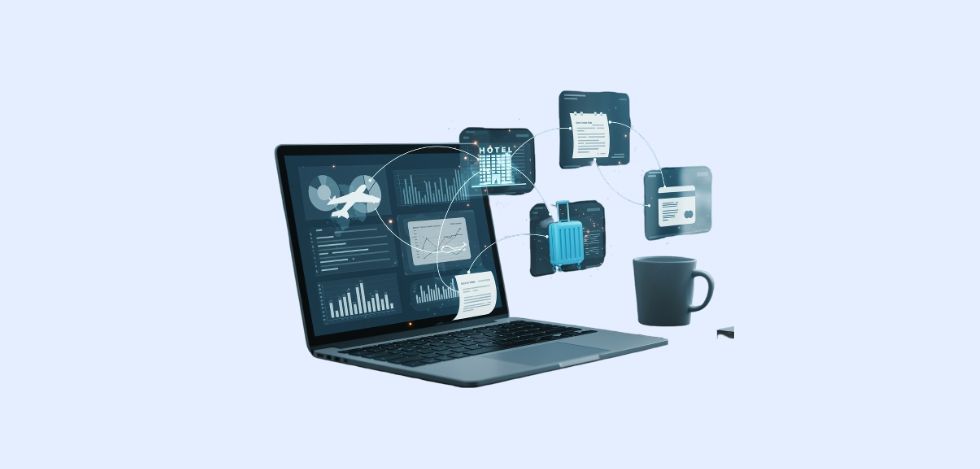
Travel accounting systems integration solves this problem by connecting booking engines, supplier APIs, payment gateways, and financial systems into a unified workflow. When implemented correctly, financial data flows automatically from reservations into accounting records, eliminating duplicate entry and providing real time financial insight.
Summary
Travel accounting systems integration connects booking engines, supplier APIs, and payment platforms with accounting software.
Key outcomes include:
- Automated booking to invoice synchronization
- Real time reconciliation of payments and refunds
- Automated commission tracking and supplier settlement
- Multi currency financial reporting
- Reduced manual data entry and accounting errors
For travel agencies and booking platforms handling large transaction volumes, integration is essential for financial accuracy and operational efficiency.
Why Travel Accounting Integration Matters
Travel businesses process high volumes of transactions across multiple suppliers and payment channels. Without integration, finance teams must manually reconcile:
- Booking records
- Supplier invoices
- Customer payments
- Agent commissions
- Refunds and cancellations
- Taxes and regulatory reporting
Travel Expense Management vs Accounting Integration
Travel expense management and travel accounting integration solve related problems, but they sit at different layers of the travel finance workflow.
Travel expense management focuses on employee spend after or during a trip. It is designed for corporate travel programs and finance teams who need clean expense reporting, faster approvals, and clearer visibility into corporate travel spend. Typical features include receipt capture, expense categorization, approval workflows, policy checks, and reimbursement processing.
Travel accounting systems integration focuses on the operational side of travel commerce. It connects booking engines, supplier APIs, and payment gateways to accounting software so bookings generate financial records automatically. This covers invoices, deposits, refunds, supplier settlement, commission tracking, taxes, and general ledger entries.
Each manual step increases the risk of discrepancies.
A typical booking workflow may involve inventory sourced through airline systems such as Travelport or Amadeus, hotel aggregators, and tour APIs. These supplier systems send reservation data into the booking platform, but accounting software often sits separately from this workflow.
When accounting systems integrate with the booking platform, transaction data flows automatically from reservation creation to financial reporting.
Travel companies increasingly rely on travel API infrastructure to enable this automation through platforms like travel APIs for suppliers and booking engines.
Complex Booking and Payment Reconciliation
One of the most common operational challenges in travel accounting is reconciliation. A booking may involve multiple payment components including customer deposits, supplier prepayments, commissions, service fees, and taxes.
Without integration, finance teams must manually match:
- Customer payment records
- Supplier invoices
- Booking confirmations
- Agent commission payouts
Travel accounting integration automatically maps booking transactions to financial records. Once a booking is confirmed, the system generates corresponding invoices and ledger entries.
For agencies sourcing inventory from multiple suppliers such as hotel wholesalers, airline systems, or activity providers, integrations such as hotel API connections or airline systems like Travelport GDS integration ensure booking data flows consistently into financial records.
Managing Multi Currency Travel Transactions
Travel is inherently international. Agencies sell products across currencies, markets, and tax jurisdictions.
Without proper integration, currency conversion errors can distort financial reporting and profit margins.
Accounting integration platforms support:
- Automatic exchange rate conversion
- Multi currency invoice generation
- Supplier settlement tracking
- Currency level revenue reporting
When booking systems integrate with accounting software, exchange rate calculations and tax rules are applied automatically based on booking data.

This is especially important for agencies working with global inventory through systems such as Amadeus API integration.
Tracking Commissions and Supplier Payments
Travel distribution relies heavily on commission based revenue models. Agencies may receive commissions from hotels, airlines, tour operators, and consolidators.
Tracking commissions manually becomes extremely difficult when bookings come from multiple channels.
Integrated accounting systems automatically calculate:
- Agent commissions
- Supplier payouts
- Markup margins
- Service fees
- Distribution partner commissions
For example, if a booking is made through a flight aggregator such as PKFare API integration, the commission structure can be automatically recorded in the accounting system when the booking is confirmed.
This automation ensures accurate financial reporting and prevents disputes with partners.
Handling Refunds and Cancellations
Refund management is another financial challenge in travel operations. Travel bookings are often subject to cancellations, schedule changes, and supplier policy adjustments.
Each refund affects multiple financial records including:
- Customer payments
- Supplier refunds
- Commission reversals
- Tax adjustments
Without integrated systems, these adjustments require manual corrections across several tools.
Integrated financial workflows automatically update accounting records whenever a booking status changes.
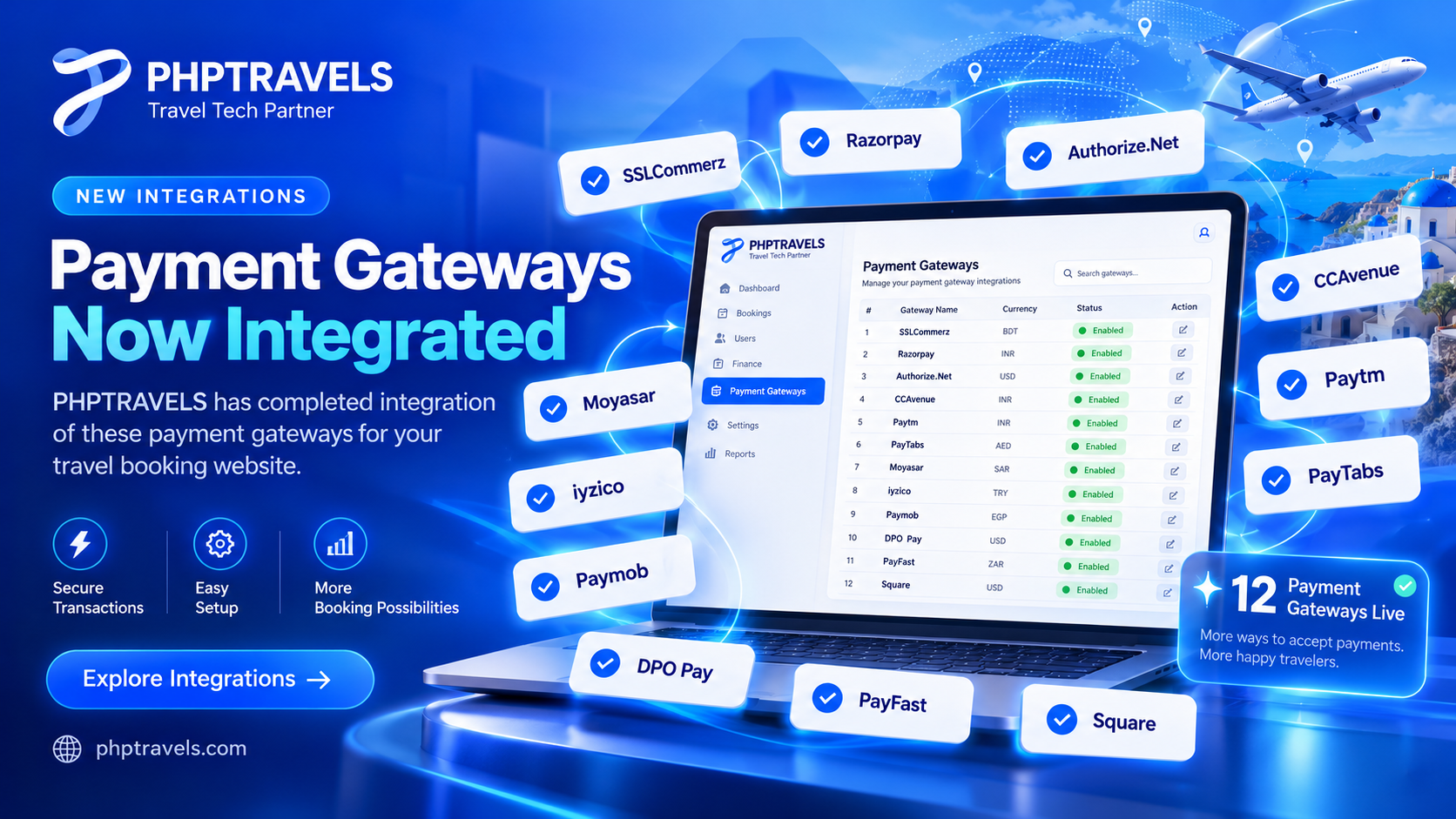
When payment systems are connected through travel payment gateway integrations, refund transactions are automatically reflected in accounting reports and reconciliation dashboards.
Real Time Financial Reporting for Travel Businesses
Traditional accounting systems rely on periodic reporting. However travel companies operate in a fast moving transaction environment where real time insight is crucial.
Integrated travel accounting platforms provide live dashboards showing:
- Revenue by destination
- Supplier cost breakdown
- Outstanding payments
- Commission earnings
- Cash flow projections
Financial visibility becomes even more important when agencies source inventory from multiple suppliers using channel managers or API connections.
Integration platforms such as channel managers integration systems ensure booking data from different distribution channels feeds directly into accounting reports.
Reducing Manual Data Entry Errors
Manual data entry is one of the largest sources of financial errors in travel companies.
When booking data must be entered multiple times across CRM systems, booking engines, and accounting platforms, inconsistencies inevitably appear.
Integrated systems remove this duplication by synchronizing booking information across systems.
Typical automation workflows include:
- Automatic invoice generation from booking confirmation
- Financial transaction export to accounting ledgers
- Commission calculation and reporting
- Automated reconciliation of supplier invoices
Many travel technology platforms achieve this by using API integration frameworks that connect booking engines with accounting software. Agencies exploring this architecture can learn more about travel API integration workflows.
Integrating Accounting with CRM and Booking Systems
Travel companies often operate multiple operational tools:
- Customer relationship management systems
- Booking engines
- Supplier inventory APIs
- Accounting software
- Payment gateways
When these systems operate independently, data becomes fragmented.
Integration connects these systems into a single workflow where booking data automatically populates accounting records.
This integration architecture is typically achieved through centralized integration layers such as travel platform integrations that synchronize operational and financial systems.
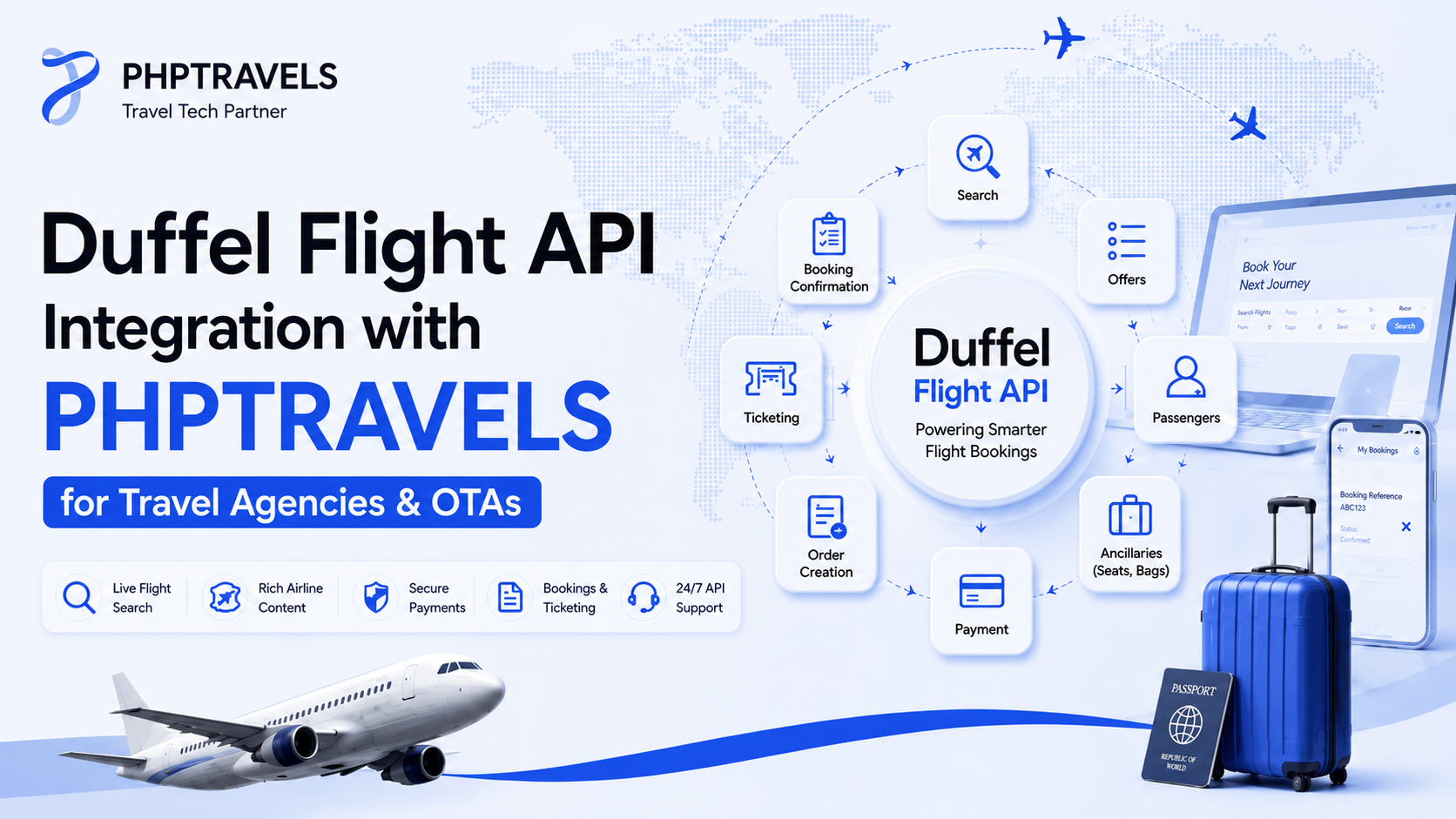
For agencies working with airline content, integrations such as Duffel API integration ensure reservation data flows directly into financial reporting.
How Accounting Integration Works in Travel Platforms
A typical travel accounting integration workflow follows several stages.
Booking Creation
A customer books flights, hotels, or tours through a travel booking engine.
Supplier Confirmation
The booking platform retrieves inventory through supplier APIs or GDS connections.
Transaction Capture
Payment gateways process the customer payment and record transaction data.
Accounting Synchronization
Booking details, invoices, taxes, and commissions automatically synchronize with the accounting system.
Financial Reporting
Accounting software aggregates data to generate revenue reports, supplier payment schedules, and cash flow insights.
Understanding how these systems communicate is essential for agencies planning integration projects. Businesses exploring integration architecture can review the fundamentals of what API integration means in travel technology.
Many travel companies attempt to solve financial workflow challenges using disconnected tools. This often leads to operational inefficiencies.
Common mistakes include:
- Maintaining separate booking and accounting systems with manual exports
- Using spreadsheets to track commissions and supplier settlements
- Delaying financial reporting until the end of the month
- Ignoring integration requirements when selecting booking platforms
- Overlooking multi currency accounting requirements
These practices slow down operations and increase financial risk.
The most successful travel businesses design integrated financial workflows from the beginning.
This typically involves selecting booking platforms that support supplier APIs, payment gateways, and accounting integration layers.

How Modern Travel Platforms Solve This Problem
Modern travel technology platforms address financial complexity through integrated system architecture.
These platforms combine booking engines, supplier connections, payment processing, and accounting synchronization within a unified infrastructure.
Supplier inventory is sourced through global distribution systems or travel supplier APIs such as Expedia API integration or Travelport API integration.
Booking transactions automatically trigger financial events such as invoice generation, commission calculation, and payment reconciliation.
The result is a financial system that mirrors operational activity in real time.
PHPTRAVELS and Travel Accounting Systems Integration
Travel companies looking to automate booking and financial workflows often implement integrated travel technology platforms that connect inventory, payments, and accounting.
PHPTRAVELS provides a travel technology infrastructure where booking engines, supplier APIs, payment gateways, and financial systems operate within a connected ecosystem.
Through its travel API integration framework, travel businesses can synchronize booking data with external systems including payment gateways, supplier networks, and accounting software.
This integration approach allows agencies, OTAs, and tour operators to automate financial workflows such as invoice generation, commission tracking, and transaction reconciliation.
Rather than operating isolated systems, the booking platform becomes the central data hub that synchronizes operational and financial activity.
Name Confusion and Common Searches
Some widely searched keywords related to the word integration refer to mathematical or software engineering concepts that are unrelated to travel accounting.
include:
- integration by parts
- integration by parts formula
- integration calculator
- integration definition
- vertical integration
- horizontal integration
- continuous integration
These terms belong to mathematics or software development contexts and are not directly related to travel accounting systems integration.
Travel accounting integration focuses specifically on connecting booking systems, supplier APIs, payment platforms, and accounting software to automate financial workflows.
Conclusion
Travel businesses manage some of the most complex transaction environments in modern commerce. Multiple suppliers, currencies, payment channels, and commission structures create financial workflows that are difficult to manage without integrated systems.
Travel accounting systems integration brings structure to this complexity by connecting booking engines, supplier APIs, payment platforms, and financial software into a single operational framework.
When financial data flows automatically from bookings into accounting systems, agencies gain real time financial visibility, reduce operational errors, and free their teams to focus on growth rather than manual reconciliation.