
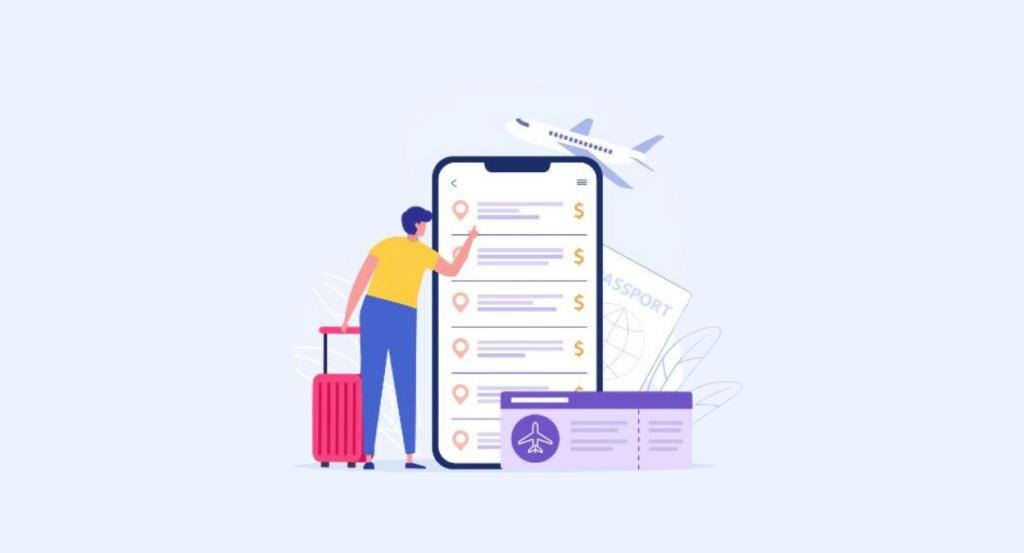
AI in Travel Industry is transforming tourism through automation. From automated booking processes to personalized travel recommendations, AI is enhancing customer experiences and enabling innovative technologies.
Travel agencies have transitioned from manual operations to digital platforms, minimizing human error and providing faster, more relevant support during the booking journey. In this guide, we’ll explore how AI is reshaping tourism, the challenges of implementing these technologies, and what the future holds.
How AI in Travel Industry Is Reshaping Modern Tourism
AI is integral in today’s travel industry, automating processes and personalizing services. Key applications include:
AI-Powered Customer Support
Chatbots and virtual assistants provide 24/7 support, offer personalized recommendations, and help users with bookings outside business hours.
Personalizing Travel Experiences
Machine Learning analyzes customer data to understand preferences, enabling travel platforms to suggest tailored destinations, hotels, and activities based on past behavior.
Generative AI: The Next Frontier
Generative AI creates content like images, itineraries, and automated responses. It enhances chatbots, improves search accuracy, and automates operational tasks, potentially generating billions in revenue for the travel sector.
Benefits of AI in the Travel Industry
Enhanced Customer Support: AI chatbots improve responsiveness and satisfaction.
Predictive Analytics: Helps travel companies forecast trends, optimize pricing, and improve resource allocation.
Personalized Recommendations: Tailored travel suggestions increase engagement and conversion.
Operational Efficiency: Automating processes reduces errors and lowers costs.
Advanced Search: AI-powered search provides accurate results, simplifying travel planning.

Challenges of Implementing AI
- Data Privacy: Handling sensitive customer data requires strict compliance.
- High Implementation Costs: Advanced AI systems involve significant investment and maintenance.
- Technical Expertise: Skilled professionals are required to manage AI integration effectively.
Addressing these challenges is critical for successful AI adoption in travel businesses.
The Future of AI in Travel
AI is expected to go beyond customer service into areas such as baggage handling, check-ins, dynamic pricing, and immersive travel experiences using AR/VR. Travel software and devices will continue to get smarter, providing increasingly personalized and streamlined services.
Leading AI tools like ChatGPT show how human-AI collaboration can optimize travel planning and operational efficiency. The industry can expect continuous innovations and smarter AI-driven experiences in the coming years.
How AI in Travel Industry Improves Operational Efficiency
AI in Travel Industry is not only transforming customer experiences—it’s also reshaping how travel businesses operate internally. Modern travel platforms now rely on AI algorithms to automate tasks like fare updates, itinerary generation, supplier mapping, booking confirmations, and fraud detection. These automated workflows reduce manual workload and minimize errors across the entire booking lifecycle.
AI systems also help agencies analyze large sets of operational data, identify bottlenecks, predict peak booking periods, and optimize staffing needs. With intelligent automation, travel companies can process bookings faster, reduce cancellations, maintain pricing accuracy, and streamline communication between customers, agents, and suppliers. This operational efficiency empowers travel agencies to scale without increasing labor costs and deliver faster, more reliable services.
Conclusion:
AI is transforming the travel and tourism industry. Agencies that adopt AI technologies strategically can offer superior services, increase efficiency, and enhance customer loyalty. The AI-driven future of travel has just begun, and opportunities for growth are immense.