Why Checkout Performance Matters in Luxury Travel
Luxury travel customers expect a fast, secure, professionally managed booking experience, especially for high-value or bespoke itineraries.
However, many brands prioritise visual presentation over the payment journey, leading to slow checkout flows, unclear pricing, and weak mobile usability. For OTAs and operators, optimised checkout improves conversion, efficiency, and retention while reducing abandoned bookings and support demand.
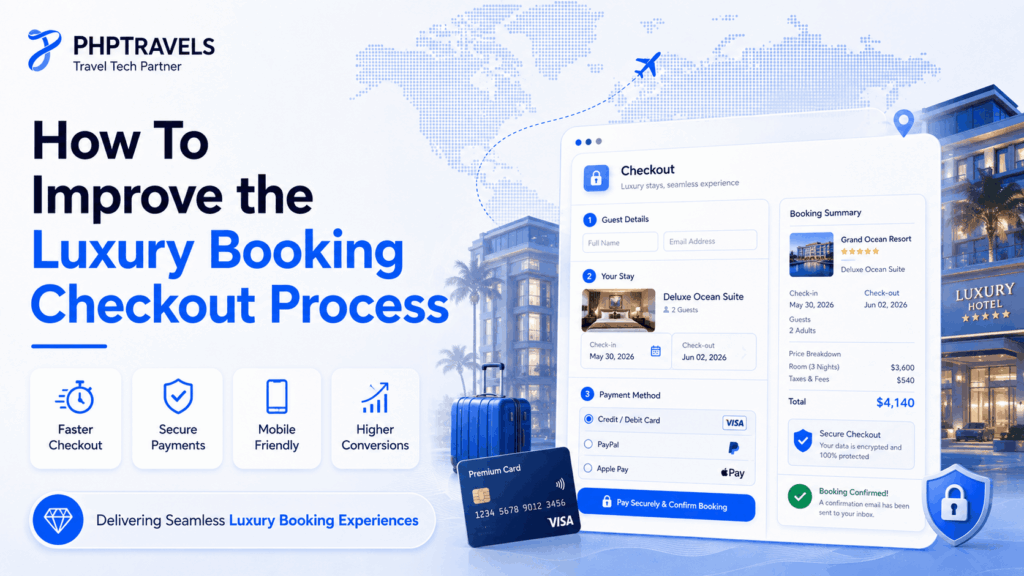
Simplify the Reservation Flow
Outdated multi-step booking systems still create unnecessary friction across many luxury travel websites. Customers are often pushed through disconnected pages before reaching payment confirmation, particularly on older booking engines or heavily customized OTA platforms.
This is where many premium travel brands still lose bookings.
One-page reservation environments generally perform better because customers can review traveler details, pricing, cancellation policies, and payment options without repeatedly navigating between separate stages.
Form structure also has a direct impact on transaction completion. Long data entry processes frustrate users quickly, especially on mobile devices, where repetitive form fields create unnecessary delays. The strongest booking systems reduce manual input through saved traveler profiles, autofill functionality, smart validation, integrated address lookup tools, and guest checkout capabilities.
Guest checkout remains particularly important for first-time users who may not want to create an account before securing a reservation.
Improve Mobile Booking Usability
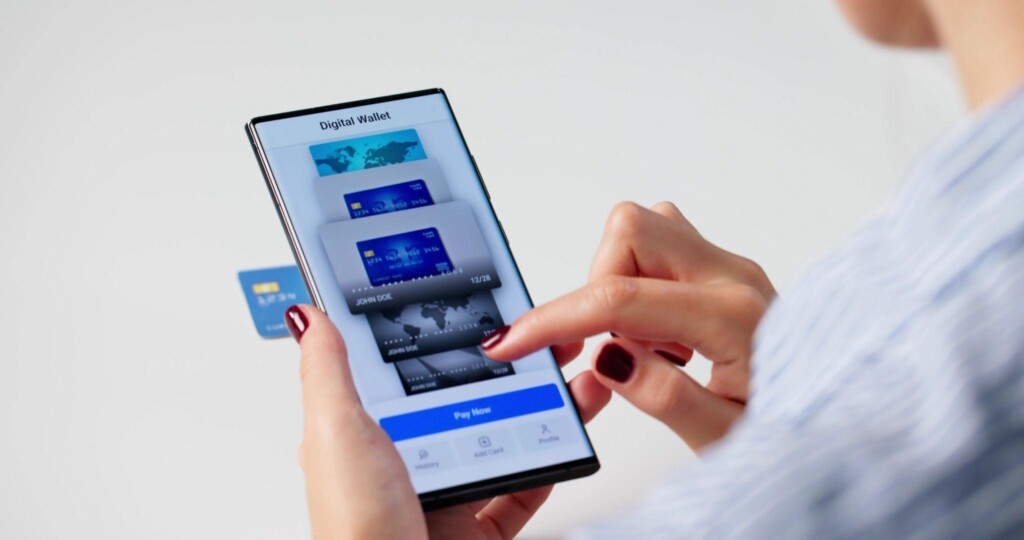
Mobile bookings continue to increase across luxury travel markets, yet many travel businesses still treat mobile checkout as secondary to desktop performance.
Many OTA platforms prioritize homepage redesigns while ignoring payment gateway friction that damages mobile conversion rates.
Mobile users are significantly less tolerant of delays during payment, particularly when transactions involve redirects, repeated authentication steps, or unstable browser sessions. Some travel brands continue losing reservations because payment gateways fail to maintain session continuity across devices or force users through multiple browser windows before confirmation.
Performance depends heavily on the infrastructure behind the interface itself. Slow API responses, unstable payment integrations, and poorly optimized booking summaries create hesitation during the final stages of purchase.
High-value reservations often involve longer research cycles and cross-device browsing behaviour, which makes continuity throughout the payment process critical for luxury travel brands.
High-performing OTA platforms now rely on responsive architecture, lightweight transaction environments, and faster processing speeds to support mobile reservation growth across international markets.
Build Trust Before Payment Confirmation
Trust plays a larger role in luxury travel transactions than in standard e-commerce purchases because the financial commitment is significantly higher.
Customers booking a £10,000 villa reservation behave differently from users purchasing a standard hotel room. They spend more time reviewing cancellation flexibility, supplier credibility, payment conditions, and service inclusions before completing the transaction.
Unexpected taxes, unclear service charges, or hidden booking fees remain one of the fastest ways to increase abandonment rates. Customers expect complete pricing visibility before payment confirmation.
Premium visual design means very little if the payment experience feels unstable or overly complicated.
Clean layouts, intuitive navigation, visible security messaging, and stable payment environments all reinforce reliability throughout the reservation process.
Introduce Concierge-Assisted Checkout
Luxury travel purchases often involve additional questions before customers commit to payment. High-ticket travelers frequently pause reservations to verify transfer arrangements, upgrade availability, itinerary details, or cancellation flexibility rather than because of pricing concerns.
Integrated concierge support helps resolve hesitation before customers leave the reservation flow.
Live chat, WhatsApp support, advisor callbacks, and real-time assistance allow travel businesses to maintain customer momentum during checkout instead of forcing users to leave the platform to search for answers elsewhere.
This becomes especially valuable for complex bookings involving premium tours, private experiences, group travel, or bespoke itineraries. Travel platforms handling high-value reservations for private jet charter companies such as Air Charter Service often rely on concierge-assisted checkout environments to manage custom requests, passenger coordination, and flexible payment arrangements without disrupting the booking process.
Personalized upselling also performs better when recommendations feel relevant rather than aggressively sales-driven. Curated upgrades and premium add-ons aligned with the reservation context tend to produce stronger conversion results than generic prompts displayed randomly during payment stages.
Expand Payment Flexibility for Global Audiences
International luxury audiences expect payment experiences that feel localized, familiar, and frictionless.
Many travel brands still underestimate how heavily regional payment preferences influence conversion performance during high-value transactions. Booking systems that fail to support local payment methods or display inconsistent currency pricing regularly lose international customers before confirmation.
Flexible payment infrastructure has become central to premium travel operations serving multiple markets.
Key capabilities include:
- Multi-currency pricing
- Deposit-based reservations
- Instalment payments
- Split transaction support
- International payment gateways
- Bank transfer integration.
Integrated payment automation also simplifies reconciliation, scheduled payment collection, and invoice management at scale.
Use Automation to Reduce Operational Pressure
As booking volumes increase, manual reservation handling becomes more difficult to scale efficiently.
Premium travel businesses require booking infrastructure capable of automating critical payment and post-booking workflows without disrupting customer experience. Delays in confirmation, fragmented supplier communication, or inventory synchronisation issues all create unnecessary operational pressure.
Scalable OTA environments now rely on automated confirmations, supplier API synchronisation, fraud monitoring, CRM connectivity, and real-time inventory updates to reduce transaction bottlenecks during reservation processing.
Without that infrastructure, operational inefficiencies begin affecting both customer experience and revenue performance.
Final Thoughts
Luxury travelers expect reservation experiences that feel fast, stable, transparent, and professionally managed from start to finish. Slow booking systems, fragmented payment flows, and weak mobile usability damage customer trust quickly during high-value purchases. Travel brands that continue relying on outdated reservation infrastructure will struggle to compete against platforms delivering faster, more flexible booking experiences across devices, currencies, and international payment environments. For OTAs, luxury travel agencies, and booking platform operators, reservation performance is increasingly shaped by how efficiently customers can complete high-value transactions across global markets.