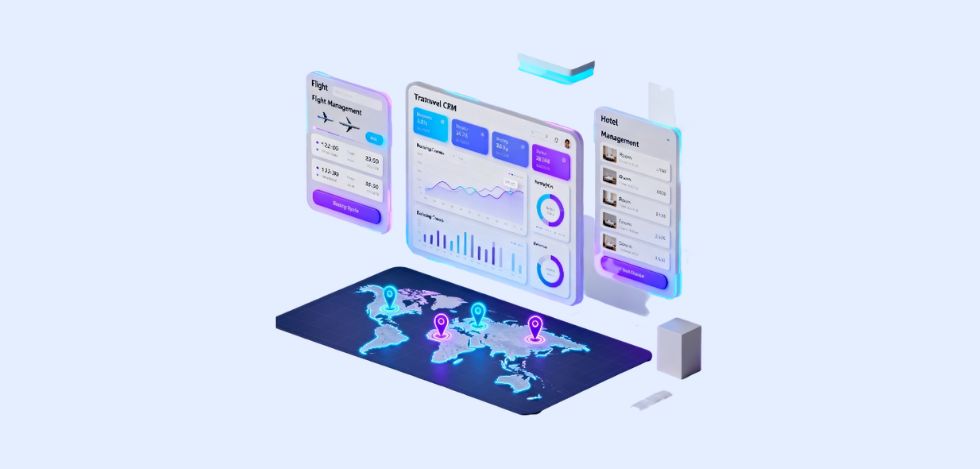

A travel, agencies and tour operators need more than just basic booking tools to thrive. A solid B2B travel portal has become crucial for handling complex operations, nurturing client relationships, and keeping a step ahead of the competition. Whether you’re running a small travel agency or managing a large tour operation, grasping the essential features of professional travel portal software can truly revolutionize your business approach.
This blog explores the critical features that make a B2B travel portal truly effective, how they benefit your business, and why choosing the right platform matters for your growth. If you’re looking for a complete comparison of options, check out our guide on best B2B travel portal software that covers all leading solutions in the market.
What Makes A B2B Travel Portal Essential?
A B2B travel portal serves as the backbone of modern travel businesses. It’s not just about processing bookings anymore it about creating seamless experiences for your business clients, automating tedious tasks, and gaining insights into your business performance.
Travel agencies handle multiple suppliers, manage numerous client accounts, process dozens of bookings daily, and need real time access to inventory across hotels, flights, and tour packages. well designed B2B travel portal consolidates all these functions into one platform, much like a complete platform for travel agencies, eliminating the need for multiple systems and manual processes that waste time and invite errors.
Customer Support & Integration Tools Critical Features Every B2B Travel Portal
Real Time Inventory Management:
Problem: Manual inventory tracking leads to overbooking and client disappointment.
Solution: A quality B2B travel portal provides instant access to:
Hotel availability and room inventory
Flight seat availability across airlines
Tour package quotas and capacity
Season-based pricing and blackout dates

Real Benefit: Sync data instantly across all channels. Whether a booking comes through your website, mobile app, or direct supplier connection, inventory levels update automatically within seconds.
Business Impact: Prevents costly overbooking incidents and builds client trust through accurate information.
Multi-Currency & Multi Language Support:
For Global Operations:
Support 50+ currencies with real-time exchange rates
Automatic currency conversions in booking engine
Multi-language interface
Localized payment methods for each market
Why It Matters: Operating in the global travel market means serving clients from different regions. Your B2B travel portal must support multiple currencies with real-time exchange rates and calculations. Similarly, multi language interfaces ensure that both your team and your clients can work comfortably in their preferred language.
Example: A client in UAE books a package priced in EUR the system instantly converts rates, applies local payment methods, and displays everything in Arabic if needed.
Commission And Markup Management:
Features Needed:
Tiered commission structures based on client volume
Automated commission calculations
Different margins for different package types
Real-time profit tracking dashboard
Profitability Secret: A sophisticated B2B travel portal allows you to set different commission structures for different client tiers, packages, and suppliers.
The Platform Should Support
Volume based discounts automatically applied
Dynamic pricing for premium clients
Instant financial reconciliation
Commission dispute resolution tools
Client & Agent Management Dashboard
Administrative Tools:
Create unlimited client, agent profiles
Set custom spending limits and credit terms
Role based access control
Client activity monitoring and reports
Sub-agent management for franchisees
For Agencies with Multiple Locations: The portal should support multi level agent hierarchies, allowing you to assign different permissions and track performance at each level independently.
Advanced Reporting & Analytics Dashboard
Data-Driven Insights:
Customizable dashboards with drag-and-drop widgets
Real-time KPI tracking (bookings, revenue, conversions)
Predictive analytics for demand forecasting
Client profitability analysis
Agent performance metrics
Destination popularity trends
The Reality: Data-driven decision-making separates successful travel businesses from struggling ones. Your B2B travel portal should provide detailed reports on bookings, revenue, popular destinations, client behavior, and agent performance.
Critical Metrics You Should Track:
Total bookings and revenue by source
Average order value and profit per booking
Client acquisition cost vs. lifetime value
Peak seasons and popular destinations
Agent productivity scores
Advanced Benefit: Real-time analytics help you identify trends, spot opportunities, and make quick adjustments to your strategies. If you’re still using spreadsheets for reporting, you’re losing valuable insights learn more about travel portal software solutions that offer enterprise-grade analytics.
Mobile Optimized Booking Interface
Mobile Essentials:
Fully responsive design
Fast loading times
One-click checkout process
Push notifications for booking updates
Travel professionals expect to manage bookings on the go. Your B2B portal should offer a fully responsive design that works seamlessly on smartphones and tablets. Some platforms even offer dedicated mobile apps for iOS and Android, giving your clients even more convenience.
Mobile Advantage: A mobile-friendly portal means your clients can search for packages, make bookings, and manage their reservations anytime, anywhere which translates to faster booking cycles and happier clients.
Secure Payment Gateway Integration:
Payment Security & Options:
Multiple payment methods (credit cards, wallets, bank transfers)
PCI-DSS compliance
Fraud detection with AI algorithms
Partial payments and installment options
Automatic payment reminders and reconciliation
Secure payment processing is non-negotiable in the travel industry. Your B2B travel portal should integrate with multiple payment gateways including credit cards, digital wallets, bank transfers, and local payment methods relevant to your markets.
Trust Factor: The system should support partial payments, installments, and custom payment terms that work with your business model. Advanced fraud detection and PCI compliance features protect both your business and your clients’ financial information.
Customer Support & Integration Tools:
Support Features:
Live chat integration
Ticket management system
Email automation
WhatsApp/SMS notifications
Multi-language customer service
24/7 technical support access
A comprehensive support system keeps both your clients and team satisfied. Look for portals offering integrated communication tools, automated notifications, and responsive technical support teams available round-the-clock.
How These Features Impact Your Business:
Operational Transformation:
When your B2B travel portal includes all these essential features, the benefits multiply across your operation:
| Benefit | Time Saved | Accuracy Gain |
|---|---|---|
| Automated Bookings | 15+ hrs/week | 95%+ |
| Real-time Reporting | 10+ hrs/week | 99%+ |
| Commission Management | 5+ hrs/week | 98%+ |
| Total Impact | 30+ hrs/week | Significantly Higher |
Team Productivity: Your team spends less time on administrative tasks and more time growing relationships and closing deals.
Client Experience: Your clients enjoy a smoother booking experience, which leads to higher conversion rates and customer loyalty.
Financial Performance: Better reporting means better business insights. Automated commission management means fewer accounting errors and faster financial reconciliation.
Competitive Advantage: Most importantly, a comprehensive B2B travel portal creates a significant competitive advantage. In an industry where speed, accuracy, and customer experience matter, having the right technology platform is the difference between thriving and merely surviving.
Frequently Asked Questions:
Q: What’s the difference between B2B and B2C travel portals?
B2B portals are designed for travel professionals and focus on bulk bookings, commission management, tiered pricing, and business client tools. B2C portals are consumer facing and emphasize user experience, reviews, social proof, and individual traveler needs.
Q: Can I integrate my existing systems with a B2B travel portal?
Most modern platforms offer comprehensive API integration capabilities. explore how this works in detail with affordable travel API integration platforms.
- GDS system integration through providers such as PHPTRAVELS Amadeus reservation tools, Sabre, and other supplier connections.
- CRM system connectivity
- Accounting software integration
- Email and communication platforms
- Payment gateway APIs
Q: What training do staff need to use a B2B travel portal?
Most platforms offer intuitive interfaces that require minimal training:
- Initial training: 4-8 hours for basic operations
- Advanced features: 2-4 additional sessions
- Ongoing support: Regular webinars and documentation
- Vendors typically provide documentation, video tutorials, and support staff to help your team get up to speed quickly.
Conclusion
Selecting the right B2B travel portal software is one of the most important decisions you’ll make for your travel business. The features discussed in this guide real time inventory management, advanced reporting, secure payments, and comprehensive supplier management form the foundation of a successful modern travel operation.