ithralogistic.com
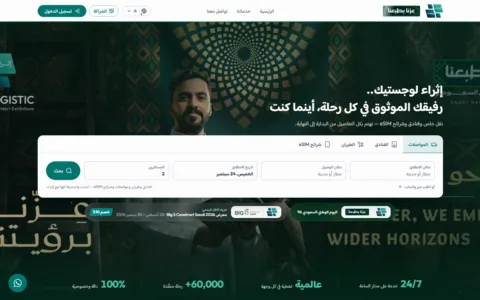
Best travel software and software for travel businesses to manage booking, CRM, supplier APIs, payments, operations, customer service and reporting in one platform.
Best travel software should help a travel business run search, quoting, booking, payments, customer records, and post-booking service in one controlled workflow. If you are comparing software for travel agencies, OTAs, tour operators, DMCs, or B2B sellers, focus on supplier connectivity, operational workflow, pricing control, documents, finance, and service after the booking is confirmed.
Multi vertical
Flights hotels tours transfers and packages in one system
APIs and control
Connect suppliers and keep your workflow consistent
Payments and invoicing
Multi currency checkout and finance friendly records
Enterprise ready
Roles approvals audit logs and deployment options
Pick software that matches your selling model
Corporate travel leisure retail and B2B distribution need different controls and approval rules
Prioritize workflow not feature count
A clean quote to booking to invoice flow prevents errors and reduces post booking effort
Demand integration clarity
If suppliers change or you add a new market you should not rebuild your platform
Most travel teams lose margin due to fragmented tools. The fix is a single operational source of truth that handles inventory, policy, payments, and service without breaking your team workflow.
Markups commissions service fees and bundles managed per channel agent or corporate client
Stop out of policy bookings using roles limits and approval gates for corporate and group sales
Changes cancellations refunds and reissues tracked with clear audit logs and customer communication
The best travel software is the platform that fits your business model and keeps sales and operations connected end to end. It should connect suppliers through APIs, let your team sell the travel products you actually offer, and keep bookings, customer records, payments, documents, finance, and service aligned around the same transaction.
Broad travel software
Software for travel businesses is a broad category. The right setup depends on whether you run a retail agency, OTA, tour operator, DMC, wholesaler, hotel business, or corporate travel operation. A useful platform should connect the parts of the workflow your team actually uses rather than forcing every business model into the same process.
For a travel seller, that normally means supplier search, quotes, reservations, customer records, payments, vouchers or itineraries, amendments, refunds, reporting, and role-based access. More specialized needs such as corporate approvals, B2B agent credit, hotel distribution, or tour inventory should live in the relevant modules or dedicated workflows.
Search and sell flights, hotels, tours, transfers, cars, or packages from connected inventory sources.
Keep traveler details, quotes, booking history, communication, and service context connected.
Track deposits, balances, invoices, supplier cost, commissions, refunds, and multi-currency transactions.
Manage confirmations, documents, changes, cancellations, reissues, support activity, and reporting after sale.
Travel agencies OTAs hotels tour operators and DMCs that need a reliable platform for multi product selling with predictable workflows.
Sell flights hotels and packages with fast quoting and consistent customer records
Launch a branded booking site with multi currency checkout and partner distribution
Manage direct bookings add transfers tours and improve upsell attachment rates
Publish itineraries take deposits manage inventory and automate confirmations
Handle complex multi service bookings with supplier coordination and vouchers
Control approvals budgets traveler profiles and reporting for compliance
Small teams need speed and clarity. Look for a simple setup, clear product catalog, payment links, and a clean CRM view so every agent works the same way, especially when comparing travel platform providers.
The best APIs are the ones your developers can actually ship with. You want stable endpoints, predictable auth, webhooks for booking events, and a sandbox environment for testing.
Travel booking management software
Back-office operations, suppliers, finance and reporting
Travel agency booking software
Retail agency search, quote, booking and documents
Travel agent tools
Booking, CRM, payments and back-office tool stack
Flight booking software
Air search and booking flows
Travel agent booking software
Agent portals, commissions, credit and multi-product booking
Travel software development
Build custom workflows
A practical deployment flow for teams that need supplier connectivity, payment readiness, and a stable booking operation.
Define products
Flights hotels tours transfers packages
Connect suppliers
GDS bedbanks channel APIs
Set controls
Roles approvals pricing rules
Enable payments
Gateways invoices refunds
Go live and service
Support desk and reporting
Suppliers and inventory
GDS providers bedbanks transfer suppliers car rental and tour content
Business systems
Payments accounting email SMS WhatsApp CRM data warehouse
Channels
B2C website B2B agent portal corporate portal and affiliate tracking
Operations
Ticketing queues booking changes refunds vouchers and customer support
A practical comparison of common software approaches for travel businesses that need booking plus day-to-day operations.
| Option type | Best for | Limitations in travel selling | Why PHPTRAVELS |
|---|---|---|---|
| Expense first tools | Teams focused mainly on reimbursement and spend controls | Often do not cover travel inventory booking and supplier workflows | Built for travel booking operations and selling multiple products |
| Corporate booking portals | Employee self booking with policy controls | Less flexible for agency selling custom packages and B2B distribution | Supports agency workflows B2B portals and custom selling models |
| WordPress plugins | Simple tour selling on a website | Limited supplier integrations and operational controls at scale | Full platform with APIs roles finance and operations |
| Custom builds | Very specific workflows | High cost long delivery and ongoing maintenance risk | Start with a proven base then extend with APIs and modules |
| PHPTRAVELS platform | Agencies OTAs hotels tour operators and DMCs | Requires proper supplier and workflow setup for best results | Booking operations CRM payments reporting plus integration flexibility |
If your shortlist includes specific travel software vendors, see our Travelopro alternative comparison for another vendor-evaluation example before making a platform decision.
A practical comparison of common software approaches for travel businesses that need booking plus day-to-day operations. If you are still narrowing down your shortlist, see our guide to best travel software alternatives before choosing the right platform for your business.
Branding portals workflows pricing logic and modules that match your market. If TripFro is on your shortlist, review our PHPTRAVELS vs TripFro comparison as part of your software evaluation.
Fast search clean booking steps and clear service actions that reduce training time
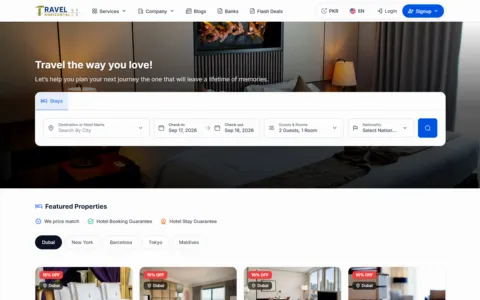
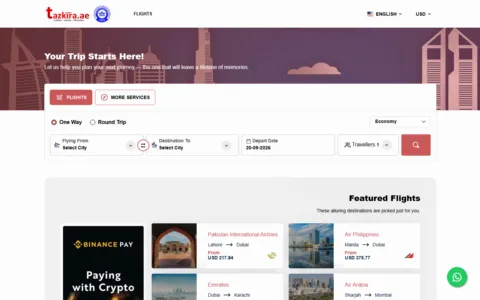
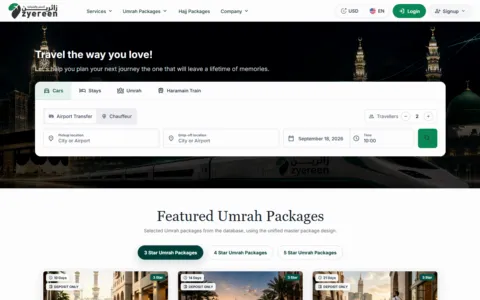
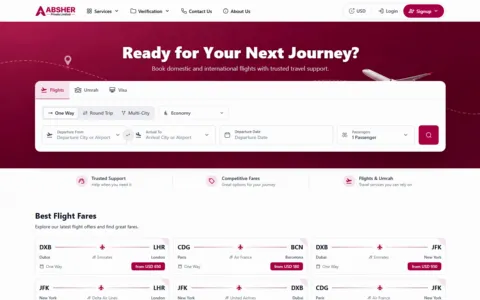
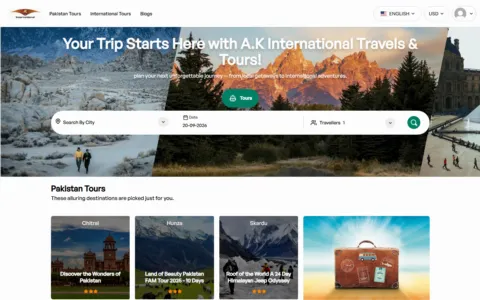
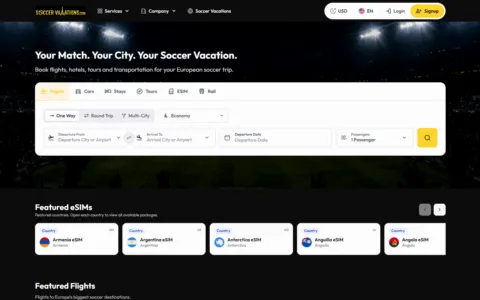
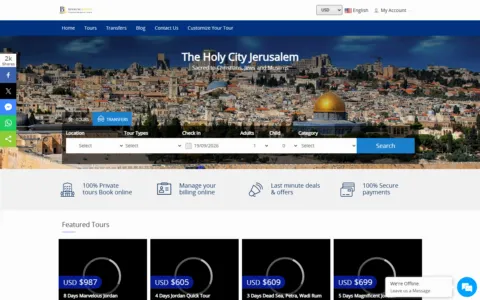
Real businesses using PHPTRAVELS across B2B and B2C models. Explore live implementations and see how teams run booking, operations, and service at scale.
Clients portfolio
4800 plus
Countries
25 plus
Uptime
99.9 percent
Support
24 7
Mainly operating in B2B Flights Main supplier TBO
What this proves
B2B flight selling at scale
Agent distribution needs pricing control, account visibility, and consistent booking flow.
Best fit for
Teams with supplier stack
Works when you need to align suppliers, payments, and service into one operational workflow.
Operational focus
Control and reliability
Roles approvals fees and audit trail keep selling consistent across agents.
Next step
Verify more live sites
Open the portfolio and review businesses by country, model, and travel vertical.
Travel businesses compare software differently. OTAs need conversion and supplier coverage, wholesalers need distribution control, and agencies need agent workflows, ticketing, itineraries, payments, and service in one place.
Launch B2C booking flows with flights, hotels, tours, transfers, payment gateways, customer accounts, and conversion focused checkout.
Manage supplier inventory, agent rates, markups, credit, distribution rules, confirmations, and reporting across partner channels.
Support quotes, CRM, customer history, commissions, sub agents, vouchers, invoices, and post booking servicing from one back office.
Use roles, approvals, policy checks, audit logs, traveler profiles, reporting, and finance exports for controlled business travel operations.
Keep fare rules, supplier references, issue status, cancellation handling, refunds, and service queues tied to the original booking.
Build clear proposals and travel documents with flights, hotels, tours, transfers, notes, inclusions, and customer friendly schedules.
Track deposits, balances, agent credit, multi currency checkout, refunds, supplier cost, and invoice records without manual spreadsheets.
Give support teams booking context, payment status, customer messages, supplier notes, and action history when travelers need help.
The best travel software is more than a storefront. It should help teams manage the operational work after a booking is created: ticketing, itinerary delivery, invoices, changes, cancellations, and customer communication.
Looking for a regional option
If your market needs local positioning, explore best travel agency software for France , best travel agency software for Dubai , best travel agency software for Malaysia .
Explore how travel teams manage search, booking, payments, and post booking operations using a single controlled platform.
Walk through the customer booking experience including search, product pages, checkout, and confirmations.
play_circle Open demoReview booking management, users, pricing rules, reporting, and operational controls used by real teams.
dashboard View adminTravel businesses running live on PHPTRAVELS. Visit their websites and see the platform in production.


Fresh insights, product updates, and practical travel-tech guidance from our latest articles.


