ithralogistic.com
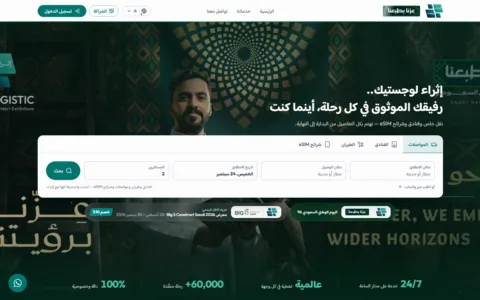
Launch a white label booking system and booking software for travel agencies, OTAs and tour operators with supplier APIs, GDS, B2B/B2C portals, payments, vouchers and reporting.
A white label booking system lets travel agencies, OTAs and tour operators sell hotels, flights, tours, transfers and packages under their own brand and domain. White label booking software is the operational software layer inside that system. It connects live inventory through travel API integration and GDS travel system sources, then manages commercial rules, payments, vouchers, invoices, B2B agent tools and back office control in one branded platform. With PHPTRAVELS, you can launch a B2C booking system, B2B booking engine or hybrid travel booking engine without building the full technology stack from scratch.
White label booking software & platform
White label hotel booking system
White label flight booking engine
White label tour booking software
B2B white label booking system
White label booking app (SaaS)
White label travel portal
Live Inventory Access
Brand & Domain Control
Payments, Vouchers & Invoices
B2B & B2C Booking Workflows
Supplier APIs & GDS Integrations
Back Office Reports & Control
White label booking software is the operational software layer inside a white label booking system. The system gives your business the branded travel portal, while the software layer manages inventory, commercial rules, booking logic, payments, vouchers, invoices, customer records, B2B agent access and reporting from one controlled environment.
This matters because travel businesses need more than a branded front end. They need live supplier content, clear pricing control, travel payment gateway integration, automated confirmation, service history and back office visibility. For agencies that also need staff, customer and operational controls, the platform can work alongside travel agency management software workflows instead of forcing teams to manage bookings through emails, spreadsheets and separate supplier extranets.
Search hotels, flights, tours and transfers from connected suppliers.
Control markups, commissions, agent pricing, currencies and taxes.
Accept online payments and manage booking transactions securely.
Issue booking confirmations, vouchers and invoices automatically.
Manage bookings, agents, reports, customers and supplier activity.
The decision is not only about branding. A reliable white label booking platform must support inventory flow, booking logic, B2B and B2C separation, payments, vouchers and operational control. Compared with a general online booking system, a travel focused platform also needs supplier connectivity, fare rules, room policies, agent pricing and booking records that match real travel operations.
Search and book from supplier APIs and GDS sources with current availability, fare rules, room policies and booking confirmations.
Publish the booking portal on your own domain with your own logo, colors, content, customer journey and travel brand identity.
Support direct customers through a B2C booking system and reseller agents through a B2B travel portal with separate logins, credit limits, markups and reporting rules.
Connect search, booking, payments, vouchers, invoices and booking management so teams do not switch between disconnected tools.
The white label booking system connects supplier content, selling rules, branded storefronts, booking processing and reporting into one travel technology workflow. Agencies can extend the platform through travel integrations and connected travel providers when they need more hotel, flight, tour or transfer supply.
| Operational Area | Manual Process | Platform Driven Process | Business Result |
|---|---|---|---|
| Flight and hotel search | Staff checks supplier portals one by one and copies options into email or chat. | Unified search across GDS and supplier APIs with branded results and booking rules. | Faster quoting, fewer errors and a cleaner customer journey. |
| B2B agent distribution | Agent pricing, credit exposure and commissions are tracked outside the booking flow. | Agent logins, markup rules, wallets, credit limits and booking history are managed centrally. | More controlled distribution and better partner visibility. |
| Post booking service | Vouchers, invoices and amendments depend on back and forth coordination. | Automated confirmations, downloadable vouchers, booking records and service tracking. | Lower service load and more consistent customer communication. |
| Commercial control | Teams update prices, margins and taxes manually across products and channels. | Rules for markups, commissions, currencies, taxes and payments are maintained from admin. | More stable margins and fewer pricing mistakes. |
A configurable travel reservation system should match the products your business sells, including hotels, flights, tours, activities, cars and transfers.
Room inventory, policies, board types, supplier mapping, markups, vouchers and branded checkout for hotel bookings.
Airline content through GDS and API channels with fare search, baggage options, branded fares and itinerary management.
Date based tours, excursions, destination services, seasonal pricing, supplier inventory and voucher ready bookings.
Car rentals and airport transfers with pickup rules, dropoff logic, extras, documents, service tracking and booking records.
The white label booking system connects supplier content, selling rules, branded storefronts, booking processing and reporting into one travel technology workflow.
Link hotels, flights, tours, transfers, GDS channels and third party supplier APIs.
Set markups, commissions, currencies, languages, taxes and payment behavior.
Launch on your own domain with your logo, pages, search flow and checkout journey.
Capture orders, collect payments, issue vouchers, create invoices and store records.
Track bookings, agents, payments, suppliers, logs, revenue and operational activity.
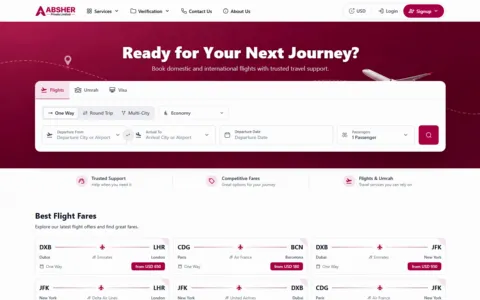
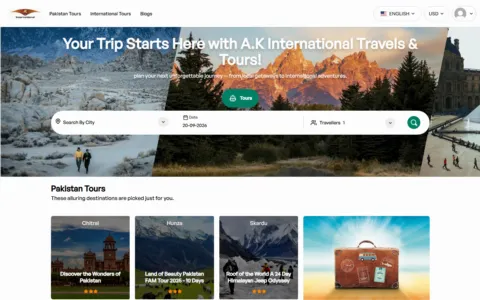
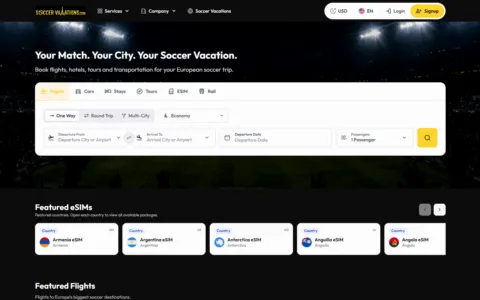
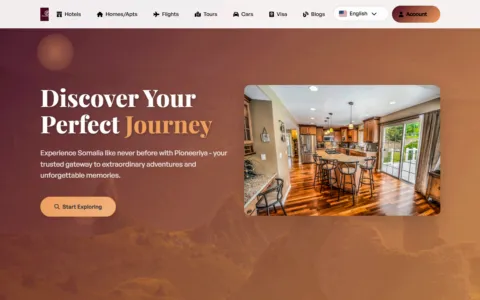
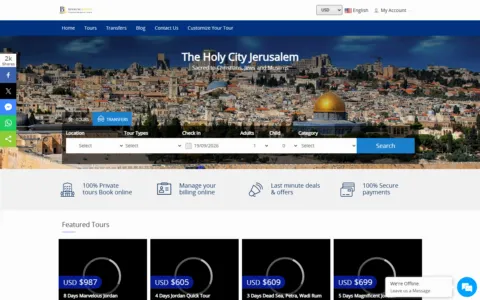
Travel businesses running live on PHPTRAVELS. Visit their websites and see the platform in production.
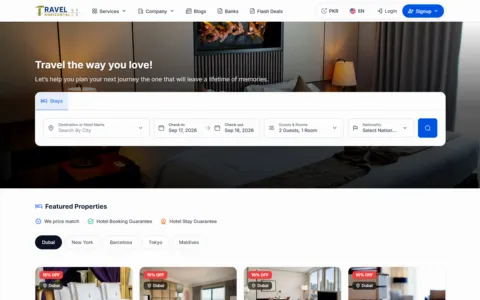
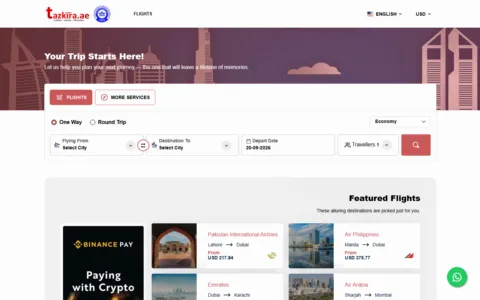
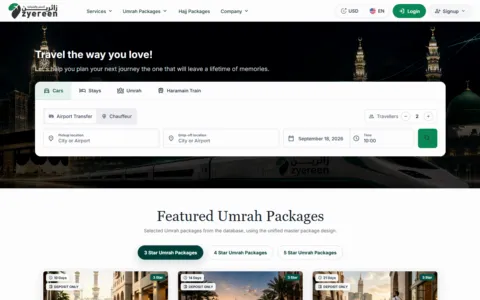

Fresh insights, product updates, and practical travel-tech guidance from our latest articles.


