arrow_forward
people
Travel Agency CRM
Travel Agency CRM Software
Convert more with a travel-native pipeline: capture leads, send quotes, confirm bookings and issue invoices in one CRM. Ideal CRM for travel agency teams, OTAs and tour operators that need quotes, bookings and invoicing in one place.
.jpg)
What is Travel CRM Software?
Travel CRM software helps travel agencies, tour operators and TMCs manage leads, customer data, quotes, bookings, follow-ups and invoices from one dashboard. Unlike generic CRM tools, a travel agency CRM connects sales workflows with booking operations, supplier communication and customer support.
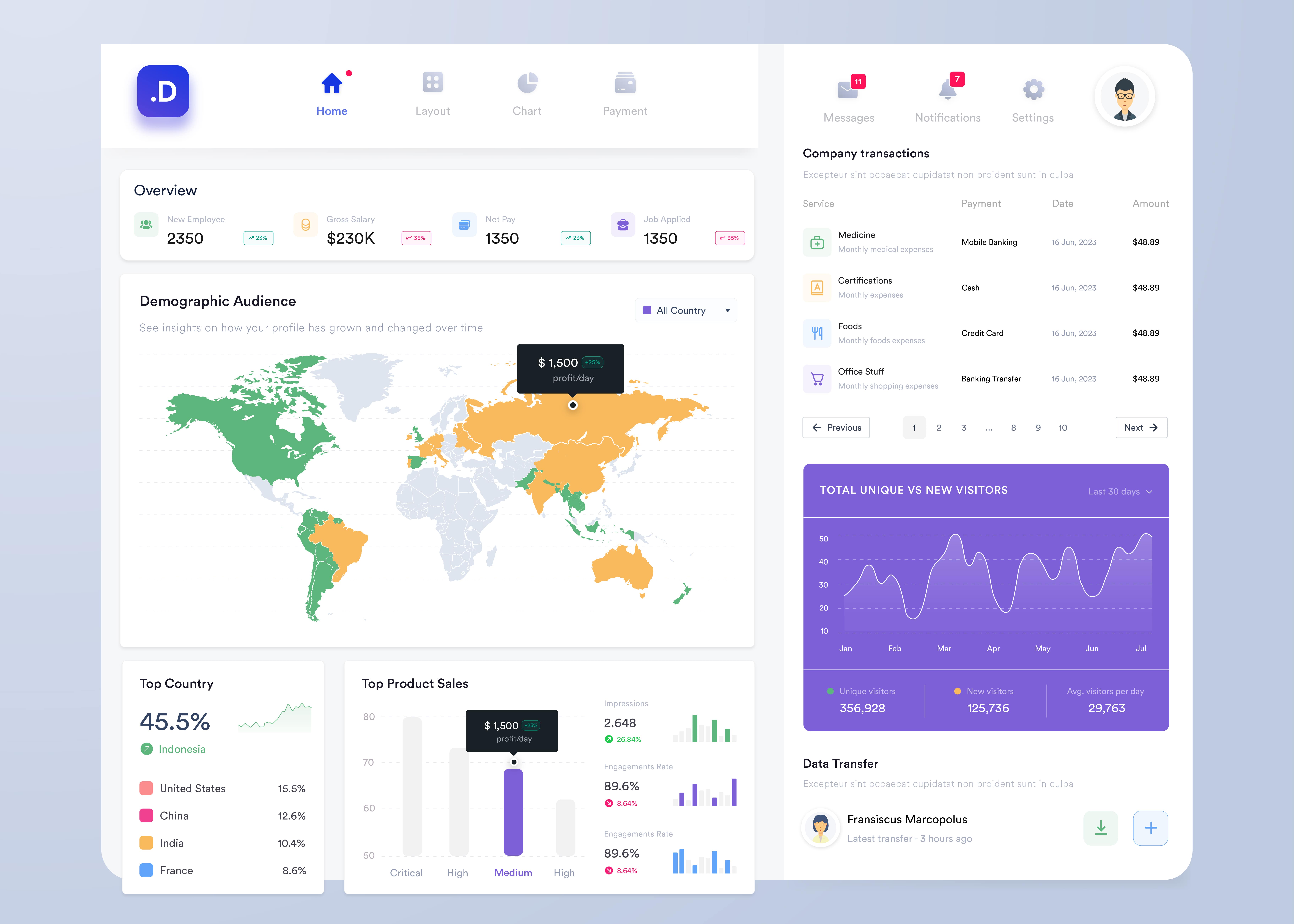
workspace_premium
Free & Startup Friendly
Travel Agent CRM Free try the full flow
Test the complete pipeline in the free demo: lead capture, quotes, booking confirmation and invoicing. When ready, upgrade to unlock multi-agent routing, vouchers, and API integrations. Prefer to self-host and own the code instead? See our Travel CRM Open Source.
- check Best free CRM for travel agency demo
- check Templates for quotes, emails & vouchers
- check Supplier markups & approvals
- check Reports & KPIs (CTR, position, revenue)
insights
Analytics
Travel CRM with real-time sales & SEO metrics
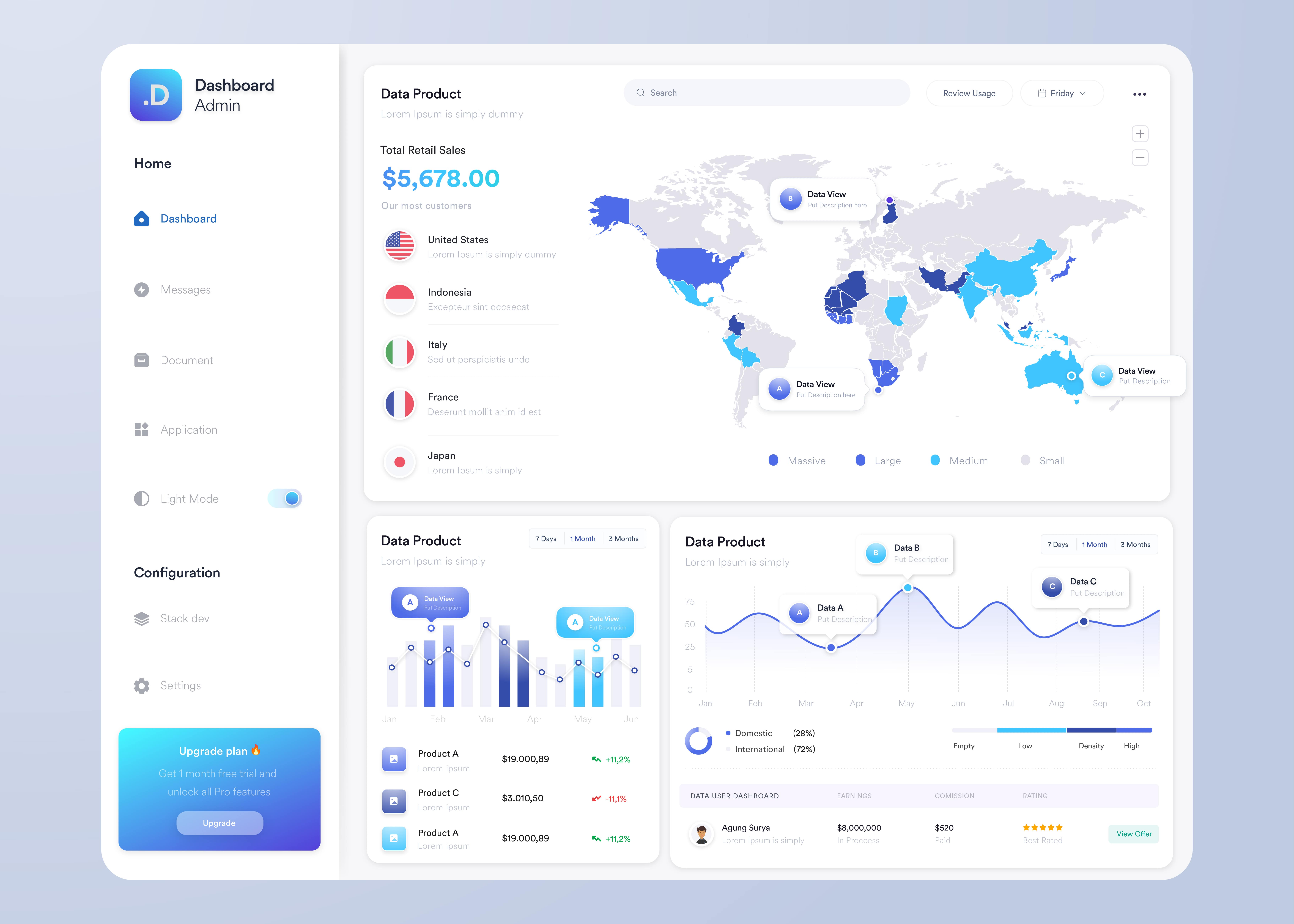
Track agent performance and marketing outcomes right inside the CRM. Import your search console data or tag CTAs to monitor Top queries, Clicks, Impressions, CTR and average Position. Optimize pipelines and ad spend with actual booking data and travel analytics instead of guesswork.
Top queries
travel agency crm, travel crm
CTR
0.4% → 5%+
Position
44.7 → 12.7 (goal)
Why PHPTRAVELS CRM
Built for Travel Teams
No generic tooling. Travel native workflows, APIs, and payments.
cloud
100% Cloud
Secure access, backups, and updates any device.
smartphone
Mobile Optimized
Responsive B2C, B2B, and Admin panels.
hub
Integrations
GDS, hotel APIs, and payment gateways.
palette
White Label
Brand with your logo, themes, and domain.
Purpose built for travel
Best CRM System for Travel Agents
Unlike off the shelf CRMs, PHPTRAVELS CRM includes
| Feature | Generic CRMs | PHPTRAVELS Travel CRM |
|---|---|---|
| Quote → Booking → Invoice flow | Manual | Built in |
| Supplier markups | Add ons | Native |
| Multi agent lead routing | Limited | Automatic |
| Travel document generation | Custom work | 1 click |
bolt
Auto booking workflows
price_check
Supplier markup handling
description
Dynamic travel documents
group
Multi agent routing dashboards
star
Buyer Guide
Best CRM for Travel Agents What to Look For
The best CRM for travel agencies is one that ships travel native workflows: capture a lead, send a quote, confirm the booking, generate invoices and documents without plugins or custom scripts inside a travel agency management system. That’s exactly what PHPTRAVELS provides for agents, tour operators and OTAs.
- check Quote → Booking → Invoice (built-in)
- route Multi agent lead routing
- description Travel docs & vouchers
- link APIs for GDS, hotels & payments
security
White-label ready
smartphone
Mobile-optimized
insights
Agent analytics
hiking Tour Operators
CRM for Tour Operators
For tour operators, the CRM produces itineraries and vouchers, applies supplier markups, schedules tasks and tracks payments for FIT and groups. For multi day products, also see our Tour Operator Booking Software.
map
FIT & Custom Itineraries
Quote builder, day by day plans, document generation & vouchers.
groups
Groups & Series
Rooming lists, supplier markups, tasks, payments and follow ups.
travel_explore OTAs / B2B
Online Travel Agency CRM (OTAs / B2B)
OTAs use the CRM to route leads to the right agent, sync availability via APIs and keep quotes, bookings and invoices in one place. For B2B distribution, explore the B2B Travel Portal.
how_to_regLead routing by skills & market
sync_altAvailability & rates via APIs
receipt_longUnified quotes, bookings & invoices
Capabilities
Key Features
check
Lead & Customer Management
check
Auto Booking & Task Scheduling
check
Email Templates & Logs
check
Real time Notifications & Alerts
check
Role Based Access
check
Invoices & Reporting
check
Lead Routing, Vouchers & Documents
check
Mobile Friendly Interface
Cloud Hosted and Self Hosted Travel CRM
Managed Cloud CRM
Use PHPTRAVELS CRM with managed hosting, updates, backups and support. Best for agencies that want fast deployment without server management.
Self Hosted CRM
Deploy the travel CRM on your own hosting with more control over data, customization and integrations.
Why it matters
Benefits of a Travel CRM
trending_up
Boost Conversions
Automated reminders and follow ups inside travel agency CRM software help close more deals.
analytics
Smarter Sales
Optimize agent performance with actionable insights.
favorite
Retention
Timely, personalized sequences keep customers loyal.
groups
Team Collaboration
Everyone works from the same source of truth.
PHPTRAVELS CRM vs Generic CRM
| Feature | PHPTRAVELS CRM | Generic CRM |
|---|---|---|
| Travel workflows | Built in | Needs customization |
| Quotes to bookings | Native flow | Manual setup |
| Supplier markups | Supported | Usually missing |
| Invoices and vouchers | Included | Third-party tools |
Real CRM in Action
1
Inquiry received
2
Auto assigned
3
Follow up sent
4
Booking confirmed
5
Invoice generated
6
Report updated
All from one dashboard, in real time.
Fit
Who Should Use It?
Our CRM is designed for businesses across the travel ecosystem whether you’re a large operator or a small agency.
travel_explore
Online Travel Agencies (OTAs)
groups
B2B Wholesalers
event
Tour Operators & DMCs
business_center
Corporate Travel Managers
person
Freelance / Small Agencies
What is Travel Agency CRM?
A travel specific CRM manages leads, quotes, bookings, supplier markups, documents and invoices in one system. PHPTRAVELS adds multi agent routing, API integrations and mobile ready panels for agents, OTAs and tour operators within a travel booking software stack.
play_circle
Free demo: capture → quote → book → invoice
verified
Best for: agencies, tour operators, DMCs, OTAs
auto_awesome
Why it wins: travel workflows, white-label, APIs
Workflow
Quote → Invoice
Agents
Auto Routing
Integrations
GDS / Hotel / Pay
1
What it is:
Travel-specific CRM with quote → book → invoice, supplier markups, and docs.
2
Who it's for:
OTAs, DMCs, wholesalers, tour operators, and agencies.
3
Why it wins:
API-ready, multi agent routing, analytics, and mobile first UI.
Unlike generic CRMs, a travel CRM software stack connects quotes to booking and invoicing.
If you run multi day itineraries, see our Tour Operator Booking Software.
For B2B distribution, explore the B2B Travel Portal or build a branded site with the
Travel Website Builder.
quiz Quick Answers
Frequently Asked Questions
A travel specific CRM that handles leads, quotes, bookings, supplier markups and invoicing. PHPTRAVELS is built for agencies, tour operators and OTAs with ready travel workflows.
Yes. Use the free demo to test lead capture, follow-ups, quotes, bookings and invoices no credit card required.
Generic CRMs need custom work for quotes → booking → invoice. A travel CRM ships these flows, travel documents and supplier pricing by default.
Yes. Create quotes/itineraries, apply markups, issue vouchers, track payments and generate documents for FIT or group tours.
Yes, REST/XML integrations with common travel systems and payment gateways.
Yes. Agencies use it globally, including the Middle East (e.g., Dubai) and South Asia (e.g., India). It’s web based and white-label ready.
workspace_premium
Free CRM
Is there a free CRM for travel agency?
Yes. Use our free demo to test lead capture, quotes, bookings, supplier markups and invoicing no credit card required. When you’re ready, upgrade to Startup, Agency or Enterprise.