Exclusive 15% off for !
business Travel Agency CRM Software

Travel Agency CRM Software

Travel agency CRM software to capture inquiries, manage clients, build itineraries, track follow ups, and connect bookings, payments, and reporting in one platform.

verified Summary
schema Workflow
sync_alt Integration flow
compare Comparison
help FAQs

For travel agencies, OTAs, tour operators, hotels, and DMCs

Capture inquiries, run follow ups, and turn quotes into bookings

A travel CRM system helps you capture inbound inquiries, keep a clean client database, and run follow ups with a consistent process. It connects your sales journey to real booking outcomes so your team can deliver faster quotes, fewer missed requests, and better customer experience.

hub

If you searched for crm software for all in one travel agency, this focuses on practical operations, not generic CRM theory.

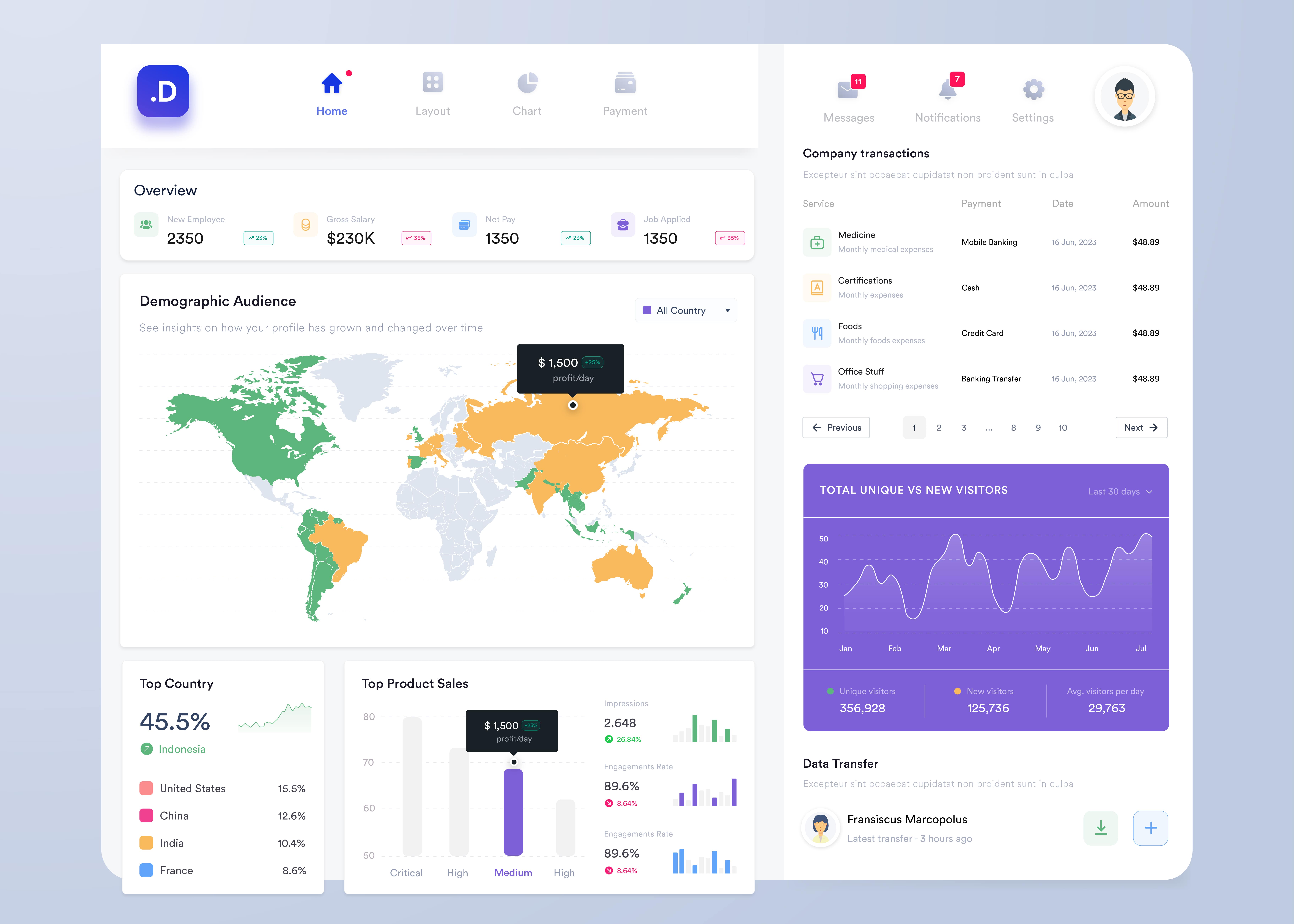
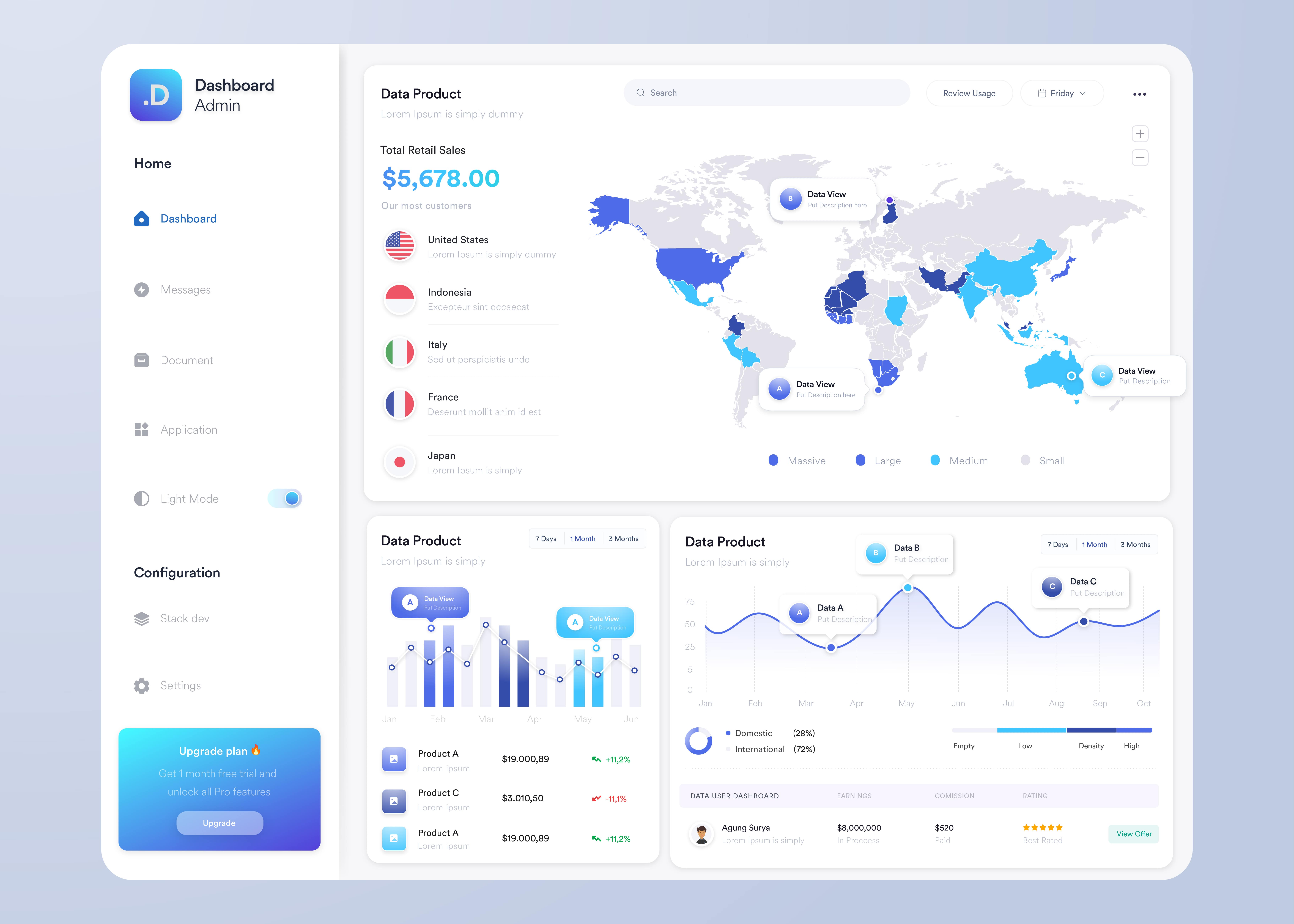
Travel agency CRM dashboard and client inquiry workflow preview
checklist

What you get

  • check_circle Inquiry capture and routing
  • check_circle Tasks and follow ups
  • check_circle Trips and itinerary records
  • check_circle Pipeline and performance views

What usually breaks first in a growing travel business

In most agencies and DMCs, the booking engine is not the first problem. The first problem is request handling. Inbound inquiries arrive from WhatsApp, email, web forms, calls, and social media inquiries, and each channel creates a separate communication history.

When the team tracks leads in spreadsheets or scattered inboxes, you lose touchpoint logging, meeting notifications, and clear task assignment. The result is slow response time, inconsistent pricing preferences capture, and missed follow ups that should have converted.

A travel CRM platform fixes this by centralizing contact management, lead progression, itinerary templates, and booking journey visibility in one system that your sales and operations team can actually run day to day. PHPTRAVELS supports these travel specific workflows without forcing your team into scattered tools.

verified

Quick Summary

Use one system to capture inquiries, qualify leads, build itineraries, and track follow ups with full communication history. Then connect quotes to bookings and finance so you can see what converts, what delays, and what to fix.

Best fit

  • check_circle Travel agencies running multi user sales desks
  • check_circle OTAs balancing lead capture and booking engine experience
  • check_circle Tour operators and DMCs managing custom itineraries
  • check_circle Hotels and suppliers coordinating direct and partner requests

What an all in one travel agency CRM must control

Travel CRM software is not just contact storage. It is the operational control layer that connects inbound inquiries, the sales journey, quoting, and the final booking confirmation. Every inquiry should move through defined stages with ownership, timestamps, and structured activity tracking.

A strong CRM for travel agencies must centralize multichannel communication, enforce lead source tracking, and maintain traveler profiles with pricing preferences and service history attached directly to the quote. Information should never be buried in notes or scattered across tools.

Enterprise ready setups also require role based visibility, approval checkpoints, duplicate contact prevention, and structured handoff between sales, operations, and finance. This ensures booking records, invoices, and vouchers are aligned with what was sold.

If you are building a broader technology stack, pair your CRM with a booking engine built for travel operations and align it with structured travel management workflows used by teams, not just shoppers.

Business outcomes to measure

  • schedule Reduced first response time for inbound inquiries
  • task_alt Improved follow up discipline per assigned agent
  • conversion_path Controlled pipeline leakage and clearer stage visibility
  • payments Revenue visibility by lead source and product line
  • groups Stronger retention driven by consistent structured touchpoints

Operational workflow for travel CRM software

This is how a CRM for travel agencies should work in the real world, from inquiry to booking confirmation.

inbox

Problem

Leads arrive from web forms, WhatsApp, calls, and social media inquiries. The team replies from multiple tools, and communication history is fragmented. Duplicate contacts appear, and lead pipeline ownership is unclear.

  • close Spreadsheet replacement becomes permanent
  • close Touchpoint logging is inconsistent
  • close Follow ups depend on memory
build

Process

Centralize multichannel communications, assign tasks, and track lead progression with custom fields for preferences. Use segments to reach out effectively and run custom marketing campaigns without losing service quality.

  • check Lead capture with source tagging
  • check Task assignment and meeting notifications
  • check Itinerary templates and quote records
flag

Result

Agents respond faster, managers see pipeline visibility, and operations teams hand off bookings with fewer details lost. You can connect sales analytics to booking outcomes and improve pricing performance and package performance over time.

  • check Clear sales pipeline tracking
  • check Better customer experience
  • check Stronger customer retention

Manual versus system driven handling

Area Manual handling CRM driven handling
Inquiry intake Scattered inboxes, delayed replies One queue with routing and ownership
Client database Duplicates and missing fields Contact management with custom fields
Follow ups Depends on memory Tasks, reminders, and touchpoint logging
Itineraries Docs and PDFs stored separately Itinerary templates linked to lead records
Reporting Hard to measure conversion Sales reports and analytics dashboards

If you also need booking and ticket flows, see ticket booking workflows for travel agents and flight booking software .

Travel CRM software in detail

This section maps common travel agency requirements to practical CRM capabilities. It supports sales pipeline control, tour operator coordination, and hospitality level communication management when handling hotels, flights, and packaged services.

For a broader technology stack, combine it with travel booking software or a B2B travel booking setup depending on your operational model.

contact_page

Contact management and profiling

Maintain a unified travel client database with structured profiling, tagging, and segmentation. Capture traveler preferences, budget range, nationality, and service history so every agent works with complete context.

hub

Multichannel communications

Centralize WhatsApp, email, calls, and web form conversations into one timeline. Keep full message history attached to each lead to eliminate fragmented communication.

list_alt

Lead pipeline and task management

Control your sales funnel using structured stages, reminders, and ownership rules. Assign tasks per inquiry and ensure follow ups are never missed.

bar_chart

Sales analytics and reporting

Monitor lead source performance, funnel conversion rates, and booking outcomes. Identify which marketing channels generate revenue, not just inquiries.

receipt_long

Finance linkage

Sync invoicing, payment tracking, and financial reporting with your CRM data. Improve revenue forecasting and reduce operational reconciliation gaps.

extension

API and third party integrations

Integrate booking engines, supplier APIs, accounting tools, and communication platforms. Ensure CRM data aligns with live inventory, quotes, and confirmed bookings.

Integration flow for a travel CRM system

This is a practical flow used by agencies connecting suppliers, APIs, and back office tools. It applies to B2C and B2B models and supports enterprise rollouts with controlled access.

If your roadmap includes GDS, review Sabre connectivity patterns and Amadeus oriented setups .

  1. 1

    Capture inquiries and normalize lead sources

    Ingest leads from web forms, landing pages, email, call tracking, and social channels. Store lead source tracking and traveler personas from day one.

  2. 2

    Connect suppliers and inventory sources

    Integrate suppliers using APIs, XML feeds, channel connections, or GDS where applicable. Keep product and pricing data aligned to the quote.

  3. 3

    Run quote to itinerary to booking handoff

    Build custom travel itineraries using templates and recorded preferences. Link each itinerary to the lead pipeline stage and keep touchpoints logged.

  4. 4

    Add payments, invoicing, and vouchers

    Connect payment gateways and accounting software integration. Generate invoices, confirmations, and vouchers so operations and finance share the same record.

  5. 5

    Report and improve

    Use sales reports and analytics dashboards to find drop offs in the sales funnel, identify top performing channels, and improve workflow automation rules.

For inventory and connectivity planning, see travel software development and white label booking software .

Suppliers and channels

Airlines, hotels, tours, activities, transfers, and corporate rate feeds, connected through APIs, XML, and GDS.

System components

Lead capture, contact management, pipeline stages, itinerary builder, booking records, invoicing, and role based access.

Operational governance

Permissions, audit logs, duplicate contact prevention, and consistent handoffs between sales, support, and fulfillment.

What to check before selecting a travel CRM

Most CRM projects fail for simple reasons: the workflow does not match real inquiry handling, ownership is unclear, and booking records stay disconnected. Use this checklist to evaluate fit before you commit time, data migration, and team training.

rule

Workflow fit

Confirm the system supports inquiry intake, lead stages, follow ups, itinerary building, and handoff to booking without forcing your team into workarounds.

  • check_circleLead capture from web, email, WhatsApp, calls
  • check_circleStages, owners, and timestamps
  • check_circleTasks and reminders that agents actually use
shield_person

Team control

A travel CRM must prevent chaos when multiple agents handle the same accounts. Define roles, visibility rules, and audit trails early.

  • check_circleRole based access and approvals
  • check_circleDuplicate contact prevention
  • check_circleActivity logs for accountability
device_hub

Booking linkage

If your CRM cannot connect quote records to confirmed bookings, payments, and vouchers, your reporting will stay incomplete and teams will double enter data.

  • check_circleItinerary and quote versions saved
  • check_circleInvoices and payment tracking visibility
  • check_circleSupplier and booking engine integration path
monitoring

Reporting and visibility

You should be able to measure conversion, pipeline leakage, and revenue by lead source. If you cannot measure it, you cannot improve it.

  • check_circleLead source to booking outcomes
  • check_circleAgent performance and response times
  • check_circleDrop off points by stage
rocket_launch

Rollout readiness

Successful rollout is less about features and more about data discipline, training, and a clear operating process your team follows daily.

  • check_circleDefine stages, fields, and ownership rules
  • check_circleStart with one team, then expand
  • check_circleTrack adoption weekly and fix friction fast

Comparison of common approaches

Neutral comparison for teams evaluating the best travel agency CRM software for their workflow and rollout model.

Approach What it does well Where it breaks Best use
Generic CRM only Basic contact management and tasks Weak travel specific quote to booking linkage Small teams with simple products
Spreadsheets and inboxes Low cost and flexible No pipeline visibility, duplicates, missed follow ups Temporary, early stage only
Booking tools without CRM Good booking journey for direct sales Inbound inquiries and sales journey still fragmented High volume direct bookings with few custom quotes
PHPTRAVELS travel CRM plus booking stack Connect inquiries, itineraries, bookings, and reporting Requires clear rollout process and data discipline Agencies, OTAs, tour operators, DMCs scaling operations

Proven in real travel businesses

PHPTRAVELS powers live CRM, booking, and operational workflows across multiple markets. These metrics reflect active platform usage across agencies, OTAs, tour operators, and DMCs.

Active client deployments

4000+

Travel businesses running CRM and booking operations on live environments

Countries served

25+

Multi region deployments across different sales and supplier models

Platform uptime

99.9%

Reliable CRM and booking continuity for daily operations

Support coverage

24/7

Technical guidance for rollout, integration, and scaling

Tazkira

Dubai, UAE

verified_user

B2B flight operations with supplier connectivity and structured inquiry ownership. CRM driven pipeline control improves response discipline and booking handoffs.

Travsify

Ibadan, Nigeria

verified_user

B2B and B2C model managing flights, hotels, and tours. Centralized CRM pipeline improves lead tracking and operational visibility.

Idealflying

Karachi, Pakistan

verified_user

B2C flights and hotels with CRM based inquiry tracking, itinerary building, and supplier connectivity through GDS and NDC integration models.

Travel agency CRM FAQs

What is a travel agency CRM and how is it different from a generic CRM?

expand_more
A travel agency CRM is built around inquiry handling, itinerary building, and booking handoffs. It keeps traveler preferences, quote history, and communications tied to the sales journey and the booking journey, instead of only storing contacts and tasks.

How does travel CRM software work day to day for agents?

expand_more
Agents capture inbound inquiries, qualify the lead, log touchpoints, and create tasks for follow ups. As the lead progresses, the agent builds an itinerary using templates, records preferences, and hands off confirmed details to booking and operations while keeping a complete communication history.

Can a CRM for travel agencies handle multichannel communication and segmentation?

expand_more
Yes, when designed for multichannel workflows it centralizes communications and supports customer segmentation so teams can run targeted outreach without losing service quality. This also improves consistency for support and repeat customers.

Do I need CRM booking engine integration for an OTA or tour operator?

expand_more
If you manage custom quotes, supplier variations, or multiple products, integration is important. It allows you to connect inquiry records, itinerary versions, booking confirmations, payments, and reporting so your team can measure what converts and reduce manual re entry.

Is there a travel CRM system free option that works long term?

expand_more
Free tools can work for very early stage teams, but they usually break when you need ownership, audit trails, duplicate control, and reporting. Most growing agencies move to a system that supports multi user processes and consistent handoffs.

What should agencies in Dubai look for in travel agency CRM software Dubai market?

expand_more
Prioritize multi currency handling, clear roles, and integration for payments and accounting. If you work with suppliers or GDS, choose a setup that supports API connectivity and operational governance across sales and fulfillment.

Ready to Transform Your Travel Business?

Join thousands of travel agencies worldwide who trust PHPTRAVELS to power their digital transformation.

Recent Blogs

Fresh insights, product updates, and practical travel-tech guidance from our latest articles.

Sabre API Pricing Breakdown What Travel Businesses Need to Know

Sabre API Pricing Breakdown What Travel Businesses Need to Know

Jun 22, 2026 arrow_forward
What Is a Hotel API and Why Does It Matter?

What Is a Hotel API and Why Does It Matter?

Jun 22, 2026 arrow_forward
CRS vs GDS Difference Between CRS and GDS in Travel Technology

CRS vs GDS Difference Between CRS and GDS in Travel Technology

Jun 20, 2026 arrow_forward
chat