ithralogistic.com
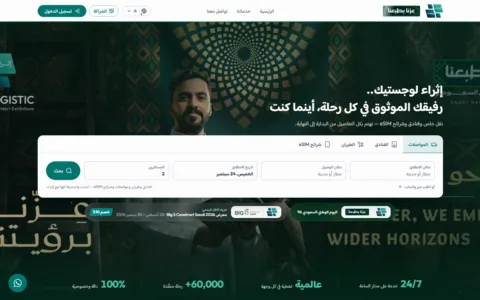
Build a travel website for agencies, OTAs, hotels, tour operators, and DMCs with booking flows, payment gateways, CRM handoff, multilingual content, and scalable integrations.
Travel businesses need more than a brochure site. They need a website that can publish destination content, capture leads, handle bookings, process payments, show availability, and pass clean data into operations.

A travel agency, OTA, hotel brand, tour operator, or DMC usually starts with a simple website. The problem appears when the business needs live inventory, structured landing pages, quote requests, voucher delivery, payment collection, supplier content, and customer follow up in one place.
A purpose built website builder for travel should support the full commercial journey: attract traffic, present products clearly, move visitors into search and booking flows, and hand completed transactions into CRM, invoicing, and operations without constant workarounds. For ideas on bringing qualified traffic into that owned booking channel, see our guide to the best digital marketing strategy for online travel agencies.
The best travel website builder is one that handles both publishing and operations. It should let you launch destination pages, product pages, search pages, payment flows, and post booking communication while connecting suppliers, back office teams, and customer data. PHPTRAVELS is built for that operating model, so the website is not separated from the booking system that runs the business.
Strong travel websites are easy to scan, easy to maintain, and easy to transact on.
Create city pages, route pages, package pages, travel guides, and seasonal campaigns without rebuilding the site each time.
Move users from search to result, cart, checkout, confirmation, and voucher delivery using one connected customer flow.
Support payment gateways, markups, coupon logic, deposits, wallet balance, credit rules, and invoicing.
Track enquiries, reservations, failed steps, agent activity, supplier responses, and booking value from one system.
Launch faster with a ready platform that supports content publishing, product distribution, supplier integration, and multi market growth. If you are planning the business before building the customer-facing site, review these ways to start an online travel agency.
Support flight, hotel, transfer, and activity search with real time availability, filters, cart logic, user accounts, and payment collection.
Show property content, room plans, seasonal offers, direct reservation flow, and guest communication while keeping brand control.
Display itineraries, departure dates, inclusions, exclusions, add ons, and availability with voucher and invoice workflows.
Manage agent login, contract rates, markups, credit limits, role based access, and booking communication for trade partners.
Launch faster with a ready platform that supports content publishing, product distribution, supplier integration, and multi market growth.
A travel booking website works best when every step is connected. The front end should not stop where the real work begins.
Teams publish destination pages and campaigns, but bookings are handled in a separate tool, enquiries go to email, pricing lives in spreadsheets, and payments are reconciled manually.
The website captures search intent, shows travel products, takes the customer through booking steps, records the reservation, pushes data into CRM and back office, and generates documents such as invoices and vouchers.
Sales teams respond faster, customers see a cleaner booking path, finance receives better transaction data, and management gets clearer visibility into what is converting.
| Stage | Manual setup | Connected setup with PHPTRAVELS |
|---|---|---|
| Product publishing | Separate landing pages, forms, and static listings | Structured pages tied to booking, enquiry, and inventory workflows |
| Search and booking | Redirects to external widgets or manual callbacks | Native search, results, pricing, cart, checkout, and confirmation flow |
| Operations | Email chains, spreadsheets, and repeated data entry | Reservation records, vouchers, invoices, customer notes, and role based actions |
| Reporting | Fragmented numbers from multiple tools | Clear booking, revenue, and workflow data from one platform |
The goal is not to add more widgets. The goal is to support the work your team actually does.
Start with layouts designed for tour pages, destination guides, hotel pages, transfers, affiliate pages, and multi service booking websites.
Support date selection, passenger details, room occupancy, package options, pricing rules, and booking confirmation logic.
Present multi day packages clearly with inclusions, exclusions, day wise schedule, pricing, and optional extras.
Connect Stripe, PayPal, and regional gateways to collect deposits, full payments, wallet top ups, and agency credit transactions.
Pass leads, enquiries, and booking data into account records, communication history, task ownership, and sales follow up.
Serve different markets with localized content, rate display rules, currency handling, and market specific sales pages.
Keep destination content, search results, checkout, and post booking pages usable across desktop and mobile sessions.
Handle hotel content, tours, transfers, rooms, markups, package combinations, and supplier availability with cleaner control.
Review page performance, booking steps, abandoned checkouts, enquiry volume, top products, and channel level outcomes.
The rollout should be practical. A connected travel website normally follows a clear sequence.
Choose what the site must sell: flights, hotels, tours, transfers, packages, affiliate products, or a mixed catalog. If you are still planning the business itself, see our guide on how to start an online travel agency.
Add GDS, hotel APIs, activity feeds, or direct supplier sources such as Amadeus, Sabre, Travelport, Hotelbeds, TBO, and Viator.
Create route pages, search forms, result pages, package pages, checkout steps, and confirmation pages with voucher delivery.
Tie reservations to CRM, invoicing, customer records, agent roles, payment status, and back office actions.
Review content structure, booking friction, supplier response quality, and revenue performance by channel or product type.
Learn how booking systems work in this flight booking guide .
Planning your own setup? Follow this step-by-step build guide .
Compare options in our website builder comparison .
Building content channels too? See how vlogging fits into growing your travel agency , and route that traffic back to a booking-ready website.
The decision is usually not about which homepage editor looks nicer. It is about which setup can support the commercial workload over time.
| Approach | Best for | Common limits | PHPTRAVELS difference |
|---|---|---|---|
| Generic drag and drop builder | Simple brochure style websites | Needs extra tools for bookings, supplier data, CRM handoff, invoicing, and travel workflows | Combines content, booking, payments, and operations in one travel platform |
| Custom website with disconnected tools | Businesses with internal development resources | Longer setup, fragmented ownership, manual maintenance, and slower operational changes | Ready components for agency, OTA, hotel, and tour workflows with room for customization |
| Standalone booking widget on a basic site | Quick launch for a narrow product line | Weak content structure, limited reporting, and shallow post booking workflow | Full site structure plus booking engine, vouchers, invoices, CRM, and role based back office |
| PHPTRAVELS | Travel businesses that need publishing, booking, and workflow continuity | Requires proper scope planning when multiple suppliers, regions, or products are involved | Purpose built for travel operations, partner integrations, and revenue workflows |
PHPTRAVELS is already used by a broad network of travel companies worldwide.
A large and growing client portfolio across travel businesses using PHPTRAVELS for booking, operations, and sales delivery.
Active client presence across multiple regions, showing that the platform is not limited to one market or one travel model.
Built for day to day travel operations where availability, bookings, and supplier connectivity need consistent reliability.
Continuous support coverage for businesses handling live bookings, customer requests, and operational dependencies.
The portfolio includes both B2B and B2C travel businesses, which means the platform is being used in agent networks, direct consumer sales, and hybrid distribution models.
Real client flights, hotels, tours, cars, Umrah, and destination services, with supplier setups ranging from GDS and NDC to API integrations and manually contracted inventory.
Client listed on the site include businesses in the UAE, USA, Pakistan, Nigeria, Jordan, Tunisia, Saudi Arabia, Mauritius, Morocco, South Africa, and other markets, showing real international deployment.
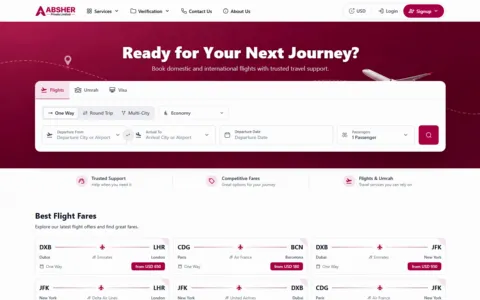
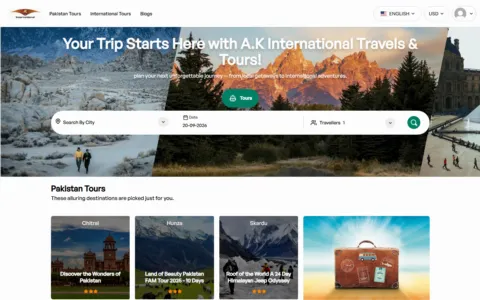
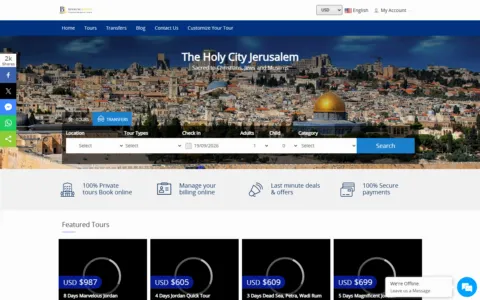
The published client list includes B2B flight businesses such as Tazkira and Karim Travel, B2C flight and hotel businesses such as Travsify and Idealflying, tour focused brands such as Booking Jordan and Camp Mars, and specialist travel sellers such as UmraPro and ProFine Travels.
Publish content, connect inventory, take bookings, collect payments, and move work into operations from one platform.
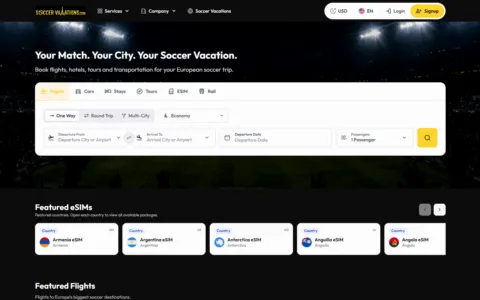
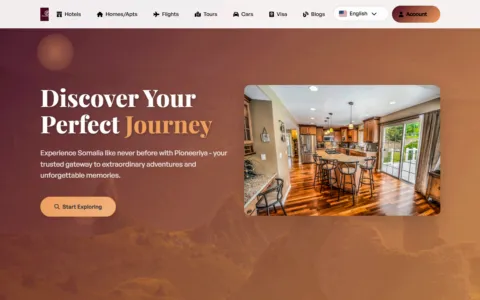
Travel businesses running live on PHPTRAVELS. Visit their websites and see the platform in production.
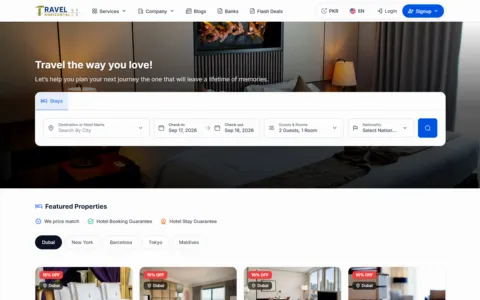
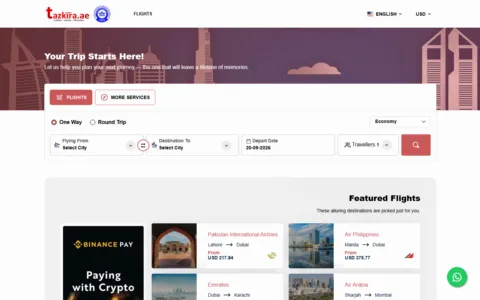
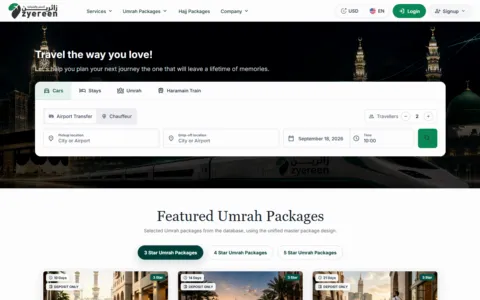

Fresh insights, product updates, and practical travel-tech guidance from our latest articles.


