
Travel Analytics Tools and Solutions for Agencies and OTAs
Jul 1, 2026
arrow_forward
Understand the Viator Affiliate Program, commission flow, API options, and how PHPTRAVELS helps travel businesses launch a branded booking setup.
Travel businesses often want tours and experiences on their website without managing local inventory, contracting suppliers, or building a separate storefront from scratch. What they need is a practical way to publish inventory, track commission, and keep the booking journey organized.
It explains how the program works, where widgets, deep links, and API access fit, and how PHPTRAVELS helps agencies, OTAs, hotels, tour operators, and DMCs turn tours and activities into an operational sales channel instead of a loose collection of affiliate links.
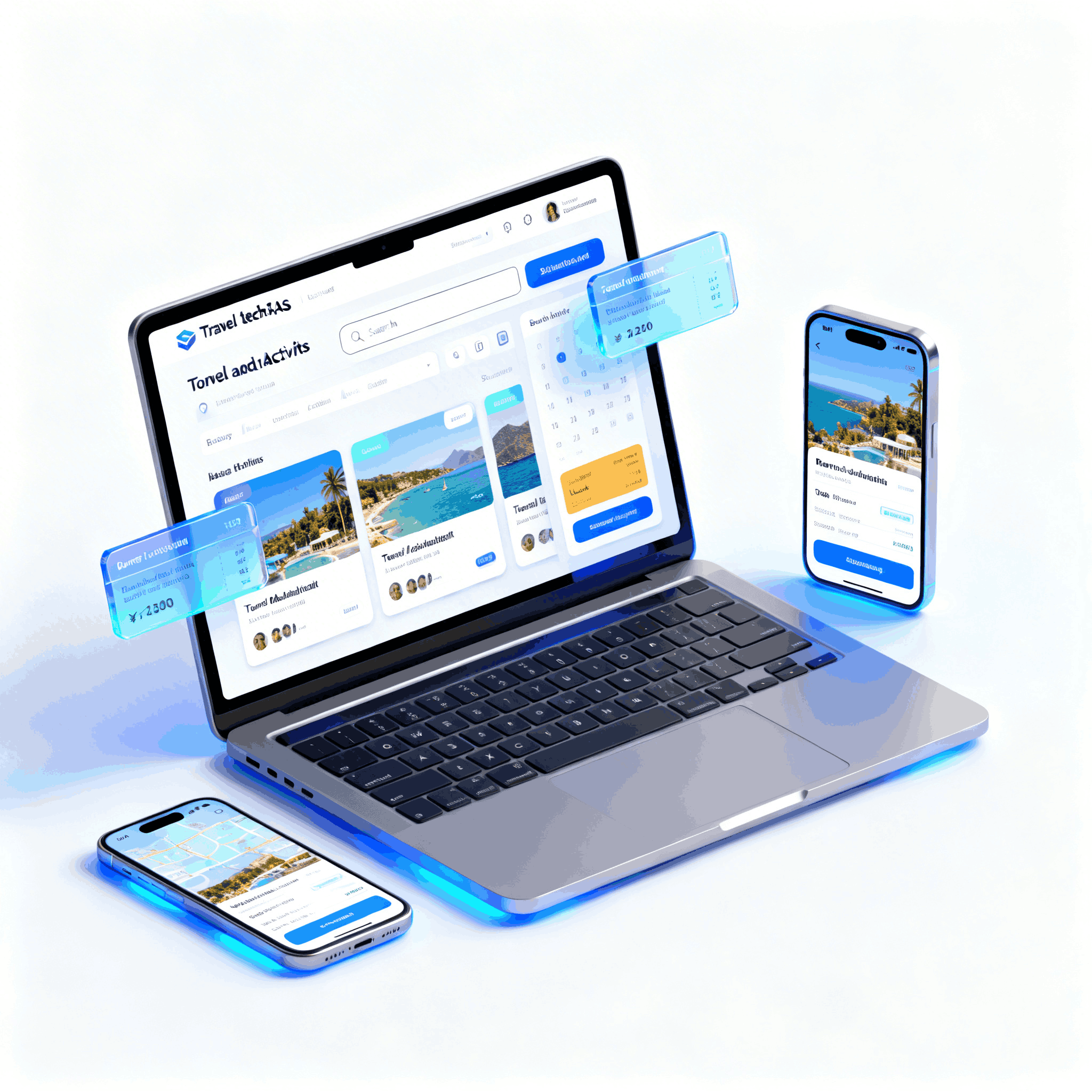
The Viator affiliate model is useful for travel businesses that want to add tours and experiences fast, earn commission on completed bookings, and avoid managing direct activity contracts in every destination. Widgets and deep links are the fastest route for content led distribution. API integration is the stronger route when you want a branded booking flow, unified reporting, supplier level control, destination pages, back office visibility, and the ability to combine tours with hotels, flights, transfers, car rental, or other products inside one travel platform.
play_circle See a Live Travel PortalThe Viator affiliate program is a commission based partner model that allows approved businesses to promote tours and activities and earn revenue from completed bookings. Depending on the setup, promotion can happen through widgets, deep links, or API driven distribution.
For a serious travel business, the real value is not only listing experiences. It is how those experiences fit into destination pages, lead capture, customer communication, vouchers, analytics, and the wider commercial process. That is why many businesses pair affiliate distribution with a broader travel platform instead of relying on isolated outbound links.
Earn on completed tours and experiences bookings without directly contracting every local supplier.
Use widgets, deep links, or API access based on your traffic model and technical setup.
Publish activities across city pages, attraction themes, categories, and travel intent driven content.
Keep reporting, CRM records, vouchers, payments, and analytics readable as part of one sales workflow.
Most businesses researching this program are not only asking whether commission is available. They are also checking sign up flow, dashboard access, login path, tracking, cookie window, payout expectations, technical options, and whether an affiliate only setup is enough for their traffic model.
Travel bloggers and destination publishers may be fine with deep links inside city guides and curated attraction pages where buying intent already exists.
Hotel websites may want nearby experience pages, local attraction listings, and post booking upsell opportunities that fit the guest journey.
OTAs and DMCs usually need branded search, product detail pages, confirmation logic, customer records, vouchers, payment handling, and management visibility across channels.
The strongest setup is not chosen by commission percentage alone. It is chosen by the booking journey, the amount of control needed, and how well tours and activities fit with the rest of the commercial stack.
The program is a practical fit for businesses that already have destination traffic, travel intent, or an existing customer base and want to monetize tours and experiences without creating a separate contracting operation.
Bloggers, destination websites, and travel media brands can place affiliate links, city pages, curated collections, and activity widgets where travel intent is already high.
Agencies and OTAs can add tours as a commission channel, upsell activities next to hotel or flight bookings, and keep more of the customer journey inside one branded environment.
Accommodation brands can promote nearby experiences before arrival, during the stay, or after booking confirmation to improve ancillary revenue per guest.
Destination specialists can complement owned inventory with wider activities coverage in cities or countries where they do not operate directly.
The difference between a basic affiliate setup and a scalable one comes down to workflow clarity. Travel businesses need a structured journey that guides users from initial destination research to product selection and final booking with minimal friction.
Static blog links and random banners often create weak continuity. The visitor lands on the right city, but the offer set, filters, availability, and commercial path are not aligned with the page they came from.
A stronger setup organizes experiences by destination, category, audience, and seasonality. City guides link into product collections. Search results route to product detail pages. The booking path captures source attribution, and the back office records clicks, bookings, value, and channel performance.
The business gains a cleaner revenue model for tours and activities, better destination merchandising, and more control over how this inventory sits beside flights, hotels, transfers, packages, CRM records, invoicing, and voucher flow.
| Area | Manual affiliate setup | Branded platform workflow |
|---|---|---|
| Destination coverage | Link by link publishing | Structured city and category pages |
| Tracking | Separate reports and fragmented data | Central visibility for traffic bookings and earnings |
| Brand control | Limited continuity after click out | Stronger alignment across domain theme and funnel |
| Cross sell potential | Mostly isolated offers | Tours can sit beside hotels flights and transfers |
| Operational scale | Difficult to manage at volume | Better for destination networks and larger catalogs |
A workable tours and activities setup should not stop at sign up. It should define how supplier content reaches your site, how product pages are presented, how commission attribution is recorded, and how the back office stays readable for commercial teams.
Join the partner setup, secure the account credentials, and confirm the preferred commercial path such as widgets, deep links, or API based distribution.
Select cities, categories, collections, and audience segments. Build product visibility around themes such as family travel, adventure, shore excursions, transfers, and local sightseeing.
Connect the feed to your branded portal. Where relevant, place it beside hotel, flight, car rental, package, or destination content so it works as part of one travel commerce flow.
Track clicks, bookings, commission, destinations, and product level performance. Where needed, connect activity sales with CRM, vouchers, invoicing, finance, and channel reporting.
| Approach | Best for | Strengths | Limits | PHPTRAVELS fit |
|---|---|---|---|---|
| Basic outbound links | Small publishers and early tests | Simple launch low effort | Weak brand continuity and fragmented reporting | Useful for validation only |
| Widgets on content pages | Travel blogs city portals hotel guides | Faster page level monetization | Less control over full booking flow | Good first layer for destination pages |
| API only supplier feed | Technical teams with custom stacks | More control over content and flow | Requires more build and operational planning | Works well where in house resources are strong |
| Branded travel platform with back office | Agencies OTAs hotels DMCs tour operators | Search pages CRM vouchers analytics and multi product workflow | Needs cleaner planning at launch | Strongest route for long term scale |
PHPTRAVELS is not only a placement layer for one supplier. It is designed for travel businesses that want a practical path from traffic to booking across multiple categories and channels.
That matters when tours and experiences need to live beside hotels, flights, transfers, or custom packages, and when the commercial team needs cleaner reporting instead of disconnected affiliate fragments.
A better structure gives you destination pages, category pages, product collections, and related upsell paths inside one branded environment. It also leaves room to add tours beside hotel APIs, flight content, transfers, and other travel verticals as the business grows.
Over time, that means more visibility across bookings, channel performance, CRM records, invoicing, and vouchers instead of treating tours as an isolated add on.
Publish destination pages, category pages, product collections, and related upsell paths inside one branded environment.
Add tours and activities beside hotel APIs, flight content, transfers, and other travel verticals as the business grows.
Keep visibility across bookings, channel performance, CRM records, invoicing, and vouchers instead of treating tours as an isolated add on.
Start with affiliate style distribution and move toward a broader travel affiliate program strategy or a more complete travel commerce setup.
The setup can work across multiple travel business models where tours and activities need to become part of a cleaner booking and revenue process.
Top attractions and ticketed experiences presented through destination focused content and search pages.
Post booking activity upsells and nearby experience discovery connected to guest journeys.
Tours mixed with hotels and transfers inside one branded travel commerce flow.
Destination traffic monetized through curated collections, attraction pages, and booking intent channels.
PHPTRAVELS is used by travel businesses across multiple regions, booking models, and supplier setups.
Travel businesses served across different markets and business models.
Platform usage across international travel businesses and regional operators.
Built for booking operations that need dependable day to day availability.
Ongoing support for launches, integrations, and operational needs.
PHPTRAVELS appears across a wide mix of travel businesses including B2B agencies, B2C booking websites, Umrah operators, hotel sellers, flight platforms, holiday brands, and tour businesses. This makes the platform relevant for companies that need flexibility across products, suppliers, and regional workflows.
It also reflects a broad setup range including direct contracts, supplier APIs, GDS connections, and custom booking flows depending on how each travel business operates.
Explore a broader affiliate booking structure for travel businesses that need cleaner distribution.
See how wider supplier and affiliate models fit inside a connected travel sales workflow.
Review the wider platform around bookings, CRM, invoicing, and customer management.
Connect confirmed bookings to itinerary delivery, vouchers, and customer communication.
Use PHPTRAVELS to publish activity inventory inside a branded travel platform with room for hotels, transfers, CRM visibility, vouchers, invoicing, and broader supplier growth.
Join thousands of travel agencies worldwide who trust PHPTRAVELS to power their digital transformation.
Fresh insights, product updates, and practical travel-tech guidance from our latest articles.

