Starting a tour business looks exciting from the outside. You imagine curated experiences, happy travelers, and flexible work. What most new founders underestimate is the operational complexity behind every successful tour operator.
If you are about learning how to start a tour business, you need more than inspiration. You need structure, regulatory clarity, supplier coordination, disciplined pricing, and a booking process that works without confusion.
Quick Summary:
To build a stable tour business, you need:
• A clearly defined niche and target audience
• Legal registration, permits, and liability insurance
• A cost based pricing structure with clear margins
• Reliable guides and local suppliers
• A structured booking and payment workflow
• Back office control over confirmations, refunds, and accounting
• Marketing that builds credibility, not noise
Step 1: Define Your Tour Business Niche
Every successful tour operator starts with focus.
You cannot serve everyone. You must decide whether you are building:
• Cultural heritage tours
• Food tours
• Adventure or trekking tours
• Walking city tours
• Multi day regional experiences
• Educational student programs
• Private premium experiences
Understanding different travel segments helps clarify your positioning. Reviewing breakdowns like Types of Tourism can help you evaluate which segment fits your region and strengths.
Your niche determines:
• Group size
• Permit requirements
• Staffing model
• Pricing tiers
• Marketing channels
• Operational complexity
For example, starting a food tour business requires health compliance awareness and restaurant partnerships. Starting a boat tour business requires safety inspections and maritime regulations. Starting a walking tour business depends heavily on storytelling and guide quality.
Step 2: Validate Market Demand Before Investing Heavily
Before printing brochures or building a full website, validate your idea.
Ask:
• Is there existing demand in your city?
• Who are the main tour operator competitors?
• What are customers complaining about in reviews?
• Are prices realistic or artificially low?
• Is the market saturated?
Validation can include:
• Limited test departures
• Soft launches
• Pre sales before official opening
• Partnerships with hotels or hostels
Many founders skip validation and discover too late that they entered a crowded segment without differentiation.
Your competitive edge could be:
• Smaller group sizes
• Local insider access
• Instagram friendly routes
• Multi generational tours
• Sustainable tourism focus
Differentiation matters more than volume in the early stage.
Step 3: Make It Legal and Structured
If you are researching how to start a tour operator business, legal compliance is not optional.
You must:
• Register your business structure
• Obtain required tourism licenses
• Secure tour permits
• Acquire liability insurance
• Understand local labor laws
• Open a dedicated business bank account
Commercial general liability insurance protects you against injury or accident claims during tours. Without it, one incident can end your business.
Step 4: Build a Real Financial Plan
Your tour business plan should include both startup and operational costs.
Startup costs:
• Business registration
• Insurance
• Branding and logo
• Website development
• Initial marketing
• Equipment
Operational costs:
• Guide wages
• Transportation
• Venue or attraction fees
• Payment gateway charges
• Software subscriptions
• Office rent
Many new operators underestimate overhead and fall into optimism bias.
For structured financial discipline, explore principles in Tour Operator Accounting.
Tourism is emotional for customers. It must be mathematical for operators.
Step 5: Design a Memorable but Repeatable Experience
Your product is not transportation. It is experience management.
Strong tours include:
• Clear itinerary timing
• Defined meeting points
• Safety briefing
• Backup plans
• Structured storytelling
• Photo moments
• Clear inclusions and exclusions
Design every step intentionally.
What makes your tour different?
What will guests remember?
What problem are you solving for them?
Professional brand positioning and consistency build trust faster than aggressive discounts.
Step 6: Hire and Train the Right Guides
Your guide is your brand ambassador.
Look for:
• Strong communication skills
• Local knowledge
• Crisis management ability
• Cultural sensitivity
• Professional behavior
Entertaining and knowledgeable guides drive reviews and repeat bookings. Poor guides damage reputation quickly.
Create simple internal standards:
• Dress code
• Greeting script
• Emergency protocol
• Customer interaction guidelines
Your staffing strategy determines service consistency.
Step 7: Build a Structured Booking Workflow
Manual bookings through messages may work initially. Growth demands structure.
A professional booking flow looks like this:
- Customer selects date
- System checks real time availability
- Customer completes payment
- Confirmation email is triggered
- Booking is recorded in dashboard
- Customer data flows into CRM
- Back office sees revenue and seat allocation
Understanding how structured systems operate can clarify this workflow. See How Tour Operator Software Works.
If your goal is digital sales, review How to Sell Tours Online.
A proper Tour Management System allows you to manage departures, pricing tiers, guides, and inventory in one place.
As operations grow, Tour Operator Booking Software ensures seat allocation and real time availability remain accurate.
For team control and reconciliation, Tour Operator Back Office Software helps manage confirmations, vouchers, and accounting visibility.
Customer retention also matters. A structured CRM for Tour Operators supports follow ups, repeat sales, and communication tracking.
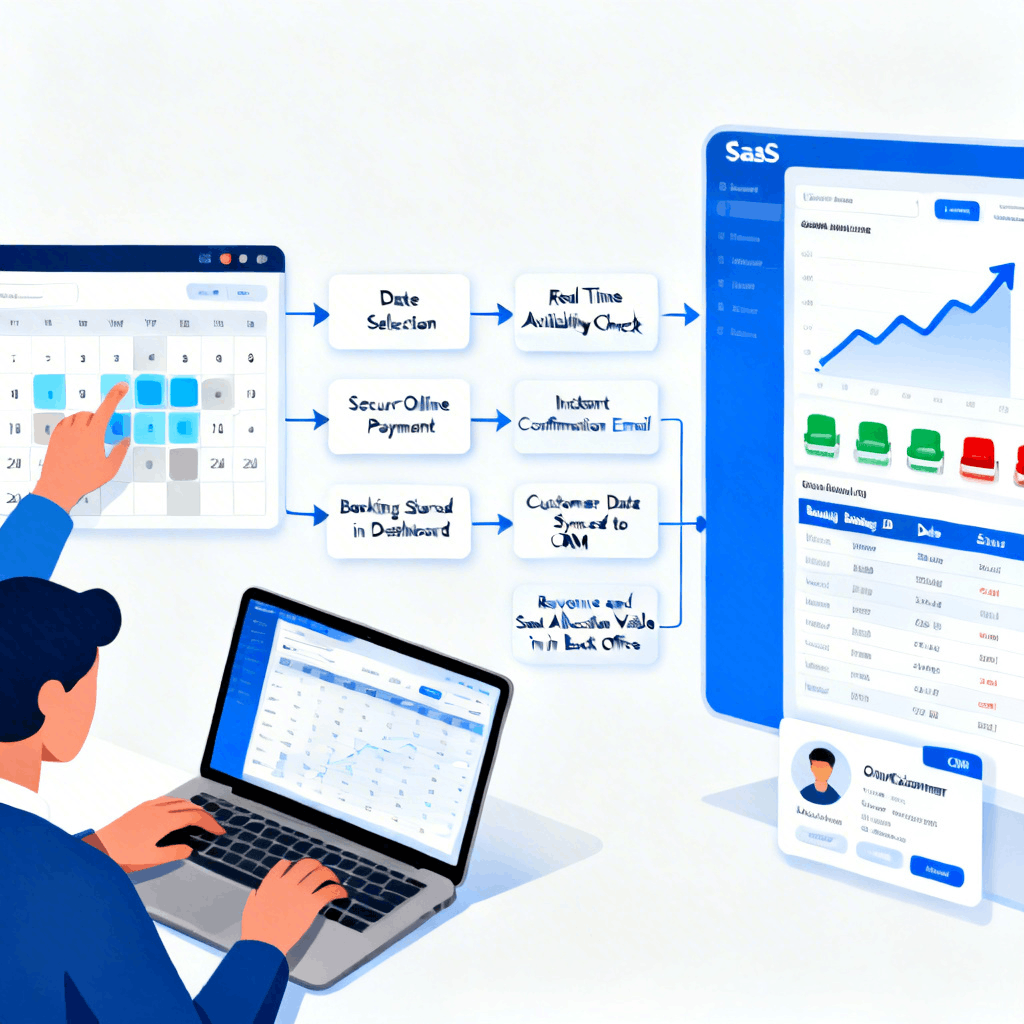
Technology is not about complexity. It is about control and consistency.
Step 8: Build Marketing Around Credibility
You need:
• Clear value proposition
• Defined target audience
• Professional website
• Transparent pricing
• Reviews and testimonials
• Email capture forms
• Partnerships
Strong foundations are explained in Travel Software for Agencies and Tour Operators.
If you are starting lean, practical approaches are covered in Selling Online Tours Without Investment.
Trust builds bookings faster than advertising spend.
Common Mistakes When Starting a Tour Business
- Underpricing to compete
- Ignoring permits and insurance
- Relying only on social media
- No structured cancellation policy
- Manual booking chaos
- Hiring friends instead of trained professionals
Many operational breakdowns happen because systems are added too late. Lessons from failed implementations are explained in 6 Reasons Tour Operator Software Implementation Fails.
The businesses that survive treat operations seriously from the beginning.
How Tour Businesses Solve Scaling Challenges
Small operators start manually. As volume increases, problems appear:
• Double bookings
• Payment mismatches
• Lost customer data
• Refund confusion
• Poor reporting
Structured systems like Online Tour Operator Software support direct bookings and multi departure management.
For destination focused operators managing local contracts, a Destination Management System helps coordinate suppliers and services efficiently.
Scaling requires visibility across inventory, guides, payments, and reporting.
Where PHPTRAVELS Fits
Once your concept is validated and bookings increase beyond a handful of monthly departures, operational clarity becomes critical.
PHPTRAVELS supports tour operators with:
• Centralized booking management
• Real time availability
• Integrated CRM
• Back office reporting
• Multi channel selling
If you are evaluating platforms, read How to Choose Tour Operator Booking Software.
The objective is simple: reduce manual errors, protect margins, and deliver better experiences consistently.