
If you run a travel agency and regularly face delayed confirmations, rate mismatches, booking disputes, or slow issue resolution, the problem is rarely sales or demand. In most cases, it comes down to weak cooperation with suppliers.
Suppliers for Travel Agencies are the backbone of every travel agency. Hotels, flight consolidators, bedbanks, tour operators, and car rental providers directly influence your service quality and customer trust. When cooperation with suppliers is poorly structured, even strong demand cannot translate into smooth operations.
Improving cooperation with suppliers of travel agency operations is not about adding more partners. It is about fixing how you work with the suppliers you already have and building a system that supports consistency, accountability, and scale.
TLDR
• Supplier cooperation directly impacts booking reliability and customer experience
• Clear processes reduce delays, disputes, and manual follow ups
• Fewer well managed suppliers outperform large unmanaged networks
• Technology enables scalable and predictable supplier coordination
Understanding the Role of Suppliers in a Travel Agency
Suppliers are not just inventory sources. They are operational partners that affect confirmations, cancellations, refunds, and brand reputation.
Each supplier category operates differently. Hotel suppliers and bedbanks focus on net rates, allotments, and release periods. Flight suppliers work with complex fare rules, ticketing deadlines, and change penalties. Tour operators and DMCs often operate on request based confirmations with variable turnaround times.
Without aligning your internal workflows to these models, cooperation weakens. Agencies that understand supplier limitations and structure processes around them experience fewer booking failures and smoother daily operations.
Agencies managing multi supplier inventories across hotels, flights, tours, and transfers face these coordination challenges daily in live booking environments.
Tip 1. Define Clear Operational Processes With Suppliers
One of the biggest reasons cooperation fails is the absence of documented processes.
Many agencies onboard suppliers without defining how availability is checked, how confirmations are delivered, or how cancellations are handled. This creates confusion and inconsistent expectations on both sides.
Every supplier relationship should have clear agreements on confirmation timelines, escalation paths, cancellation handling, and documentation flow. When suppliers know exactly how your agency operates, response times improve and errors decrease.
Standardized processes also make internal training easier and reduce dependency on individual staff members.
Tip 2. Structure Communication Instead of Increasing Follow Ups
More messages do not improve cooperation. Better structure does.
Agencies often rely on emails, WhatsApp messages, and informal calls to manage supplier coordination. This leads to fragmented communication, missed details, and duplicated work.
Effective agencies centralize communication, assign clear supplier owners, and define when and how suppliers should be contacted. Regular operational reviews help identify recurring issues before they escalate into disputes.
Suppliers prioritize agencies that are organized, predictable, and easy to work with.
Tip 3. Align Commercial Terms and Payment Discipline
Commercial alignment plays a major role in supplier cooperation.
Late payments, unclear settlements, and inconsistent reconciliation damage trust quickly. Even strong sales volume does not compensate for poor financial discipline.
Agencies should ensure commission structures, net rates, settlement cycles, and refund handling are clearly agreed and consistently followed. Transparent reporting and timely payments strengthen cooperation and often unlock better support.
Suppliers give priority to agencies that respect commercial commitments.
Tip 4. Reduce Manual Dependency Through Technology
Manual workflows are one of the biggest obstacles to supplier cooperation.
Handling bookings through spreadsheets and emails increases errors and slows response times. Suppliers are forced to clarify basic information repeatedly, which reduces efficiency on both sides.
Centralized systems allow agencies to standardize how they interact with suppliers. Automated confirmations, normalized supplier data, and unified booking views reduce unnecessary back and forth.
Agencies exploring structured supplier connectivity often start by reviewing a comprehensive travel XML API suppliers list to understand available integrations and coverage.

Tip 5. Focus on Long Term Supplier Partnerships
Strong cooperation comes from long term relationships, not transactional thinking.
Treating suppliers as interchangeable vendors weakens trust and reduces priority support. Agencies that invest in fewer reliable suppliers receive better cooperation during peak seasons and operational challenges.
Sharing demand forecasts, respecting operational constraints, and providing constructive feedback strengthens partnerships. Even simple actions like informing suppliers about upcoming demand spikes improve coordination.
Fewer trusted suppliers with strong cooperation deliver better results than a large unmanaged network.
Common Mistakes That Hurt Supplier Cooperation
- Onboarding too many suppliers without operational capacity
- Relying on informal communication channels
- Delaying settlements and ignoring reconciliation issues
- Using outdated or disconnected systems
- Blaming suppliers instead of fixing internal workflows
Avoiding these mistakes often improves cooperation faster than changing suppliers.
How Successful Travel Agencies Manage Supplier Cooperation
Successful agencies take a structured approach. They start with core suppliers that cover key markets. They validate performance through real bookings. They document workflows before expanding their supplier base.
They also invest in data consistency. Clean content mapping, clear policies, and unified reporting reduce booking errors and support overhead.
Agencies expanding air inventory often study proven approaches outlined in guides on finding the best flights API supplier and working with established flight suppliers.
Supplier Cooperation at Scale
As agencies grow, manual coordination becomes unsustainable. Managing availability, rates, confirmations, and settlements across multiple suppliers requires structured systems.
Multi supplier integration enables agencies to manage inventory centrally and reduce operational friction. Technology does not replace supplier relationships. It strengthens them by removing unnecessary inefficiencies.
For accommodation focused agencies, understanding how professional teams work with B2B hotel suppliers helps set realistic expectations and operational standards.
How PHPTRAVELS Fits Into Supplier Cooperation
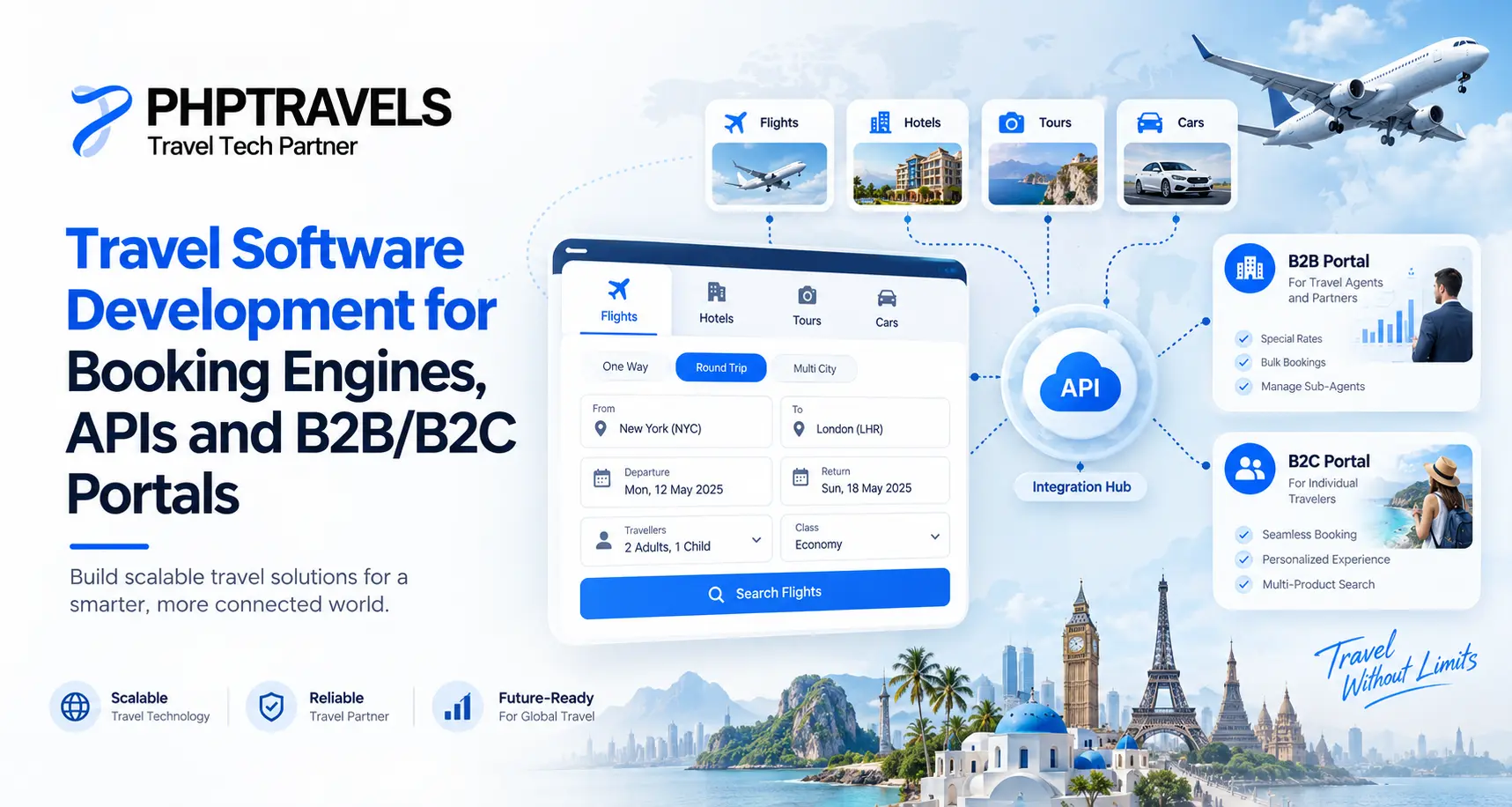
As supplier networks grow, coordinating operations manually becomes increasingly complex. PHPTRAVELS supports agencies by centralizing supplier integrations, bookings, and workflows into a single operational environment.
Many agencies solve this by using centralized platforms that manage supplier integrations and booking workflows. PHPTRAVELS is one such platform used to reduce manual coordination and operational friction.
PHPTRAVELS is designed for agencies moving from fragmented supplier coordination to structured, scalable operations that support long term growth.