Energy Management System in Hotel Industry that can quietly grow without anyone noticing until the bill arrives. HVAC runs when rooms are empty. Corridor lighting stays on at full power all night. Laundry and kitchen loads peak during the most expensive hours. Engineering teams respond to guest complaints instead of preventing issues. Finance sees cost spikes but cannot trace the root cause by zone, asset, or occupancy pattern.
A modern energy management system in hotel industry operations solves this by turning energy from a fixed overhead into a controlled workflow. It monitors usage, applies rules, and automates the right actions at the right time. The goal is not to cut comfort. The goal is to stop waste, reduce equipment strain, and keep environments stable for guests and staff.
A hotel energy management system monitors and controls HVAC lighting and key loads using sensors meters and automation rules
The biggest savings usually come from occupancy based HVAC control, setpoint discipline, and scheduling for back of house loads
Energy management works best when tied to hotel operations like check in, check out, housekeeping status, and maintenance workflows
Vendor selection should focus on interoperability, controls depth, reporting quality, cybersecurity, and rollout support
A practical checklist prevents common failures like false occupancy triggers, staff workarounds, and poor baseline measurement
What is an energy management system in the hotel industry
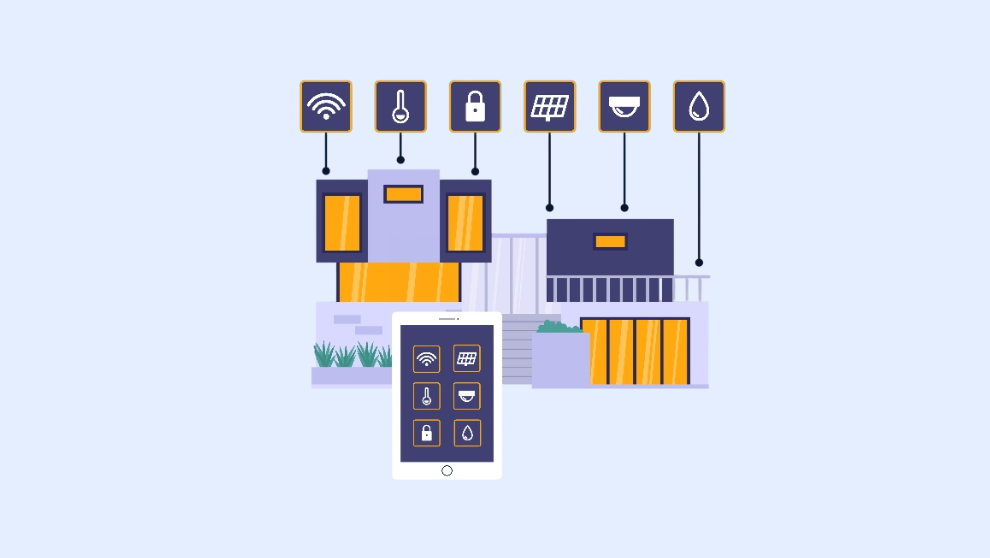
An energy management system, often called EMS, is a combination of software and connected devices that monitors energy use and automatically controls energy consuming equipment across a property. In hotels this typically includes guest room HVAC, public area HVAC, lighting, water heating, ventilation, and sometimes plug loads through smart relays or smart sockets.
A hotel EMS generally includes
Data collection such as submeters, circuit meters, device telemetry, and environmental sensors for temperature humidity and CO2
Occupancy detection through door sensors motion sensors keycard logic or connected lock signals
Control capabilities such as thermostat setpoints fan speed control schedules, lighting dimming, and equipment on off rules
Dashboards and reporting that explain usage by floor, zone, time window, and equipment type
Alerts and exception handling for faults like stuck dampers, abnormal runtime, or temperature drift
Energy management vs building management system
Hotels often hear both EMS and BMS and assume they are the same. They overlap, but their primary purpose is different.
A building management system is focused on broad building automation and life safety adjacency across many subsystems. It may manage chillers, boilers, AHUs, elevators, and fire related actions.
An energy management system is focused on measuring and reducing energy waste with reporting, baselines, and targeted controls that pay back quickly.
Many hotels run both. In that setup the EMS is the layer that turns operational intent into energy actions, especially at the guest room level where occupancy behavior matters most.
Hospitality industry energy management starts with where energy actually goes
Hospitality industry energy management becomes easier when you break the property into energy zones and decision points.
Typical high impact zones
- Guest rooms: HVAC runtime, setpoints, and vacancy control
- Public areas: lobby and corridor lighting schedules and HVAC zoning
- Back of house: laundry, kitchen exhaust, water heating, staff areas
- Plant rooms: chiller efficiency, pump scheduling, and setpoint stability
Typical decision points
- Is a room occupied, about to be occupied, or out of order
- What is the comfort target, not just temperature but humidity and air quality
- What is the time of day tariff structure and peak demand window
- What is the equipment health status and abnormal runtime signals
How hotel energy management systems work in real operations
A good hotel EMS is not just a dashboard. It is a loop.
Step 1 Measure and baseline
You start by establishing baselines for energy intensity by time window and zone. Without this, savings claims become guesswork. Baselines also reveal which floors or room types behave differently.
Step 2 Detect context
The system builds context from occupancy signals and environmental conditions. Guest room context is where most hotels win or lose.
- Common context signals
- Door open close events
- Motion or presence
- Thermostat interaction by guest
- Housekeeping status
- Room condition such as out of order
Step 3 Apply rules that protect comfort
Rules should never feel aggressive. The best rules are subtle and consistent. For example, vacancy setbacks that maintain humidity control in hot climates, then recover quickly on re entry.
Step 4 Verify with reporting
Reporting must prove savings and show comfort impact. Look for dashboards that separate savings from weather variation and occupancy variation.
Step 5 Maintain and improve
Over time you adjust thresholds, fix sensor placement issues, and refine schedules. The system should highlight exceptions so engineering is not hunting blindly.
Where integration matters, connecting EMS to hotel operations
An EMS gets stronger when it receives operational signals from hotel tools, and when hotel teams can act on EMS alerts inside the same workflow they already use.
For hotels running modern property operations, connecting EMS signals to a hotel management system software workflow helps teams coordinate tasks and reduce repeat issues, especially when paired with digital concierge coordination for in stay services so comfort complaints and service requests are visible in one place. For example, if an EMS shows abnormal HVAC runtime in a specific room, the maintenance ticket can include the trend data and last occupancy state. This kind of operational backbone is commonly handled inside a hotel management system software layer.
The most valuable operational triggers
Check in and check out timing to shift rooms between occupied and vacancy modes using a hotel check in system software workflow
- Housekeeping status so rooms are comfortable for cleaning without running full cooling all day
- Out of order status to prevent unnecessary conditioning
- Group arrival windows so pre cooling is applied only where needed
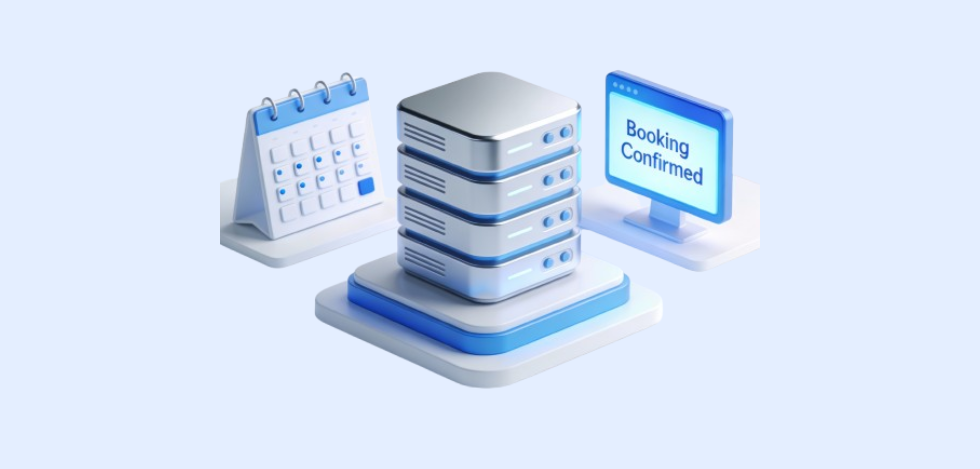
If you operate distribution channels, energy decisions also intersect with booking and occupancy forecasting. That forecasting starts with a reliable booking foundation such as a hotel booking engine and the data consistency of hotel booking software. Even if the EMS is separate, clean operational data improves planning and reduces last minute comfort issues.
Key benefits of hospitality energy management systems
Reduced energy consumption without guest backlash
The biggest win is stopping conditioning of empty rooms while ensuring fast recovery on arrival.
Lower operating costs and peak demand control
Smart scheduling and demand limiting can reduce peak charges and avoid running equipment at the most expensive hours.
Longer equipment life and fewer emergency callouts
Short cycling and constant overcooling wear out compressors and fans. Better control reduces breakdown frequency.
Better guest experience through stability
Guests complain when rooms drift too hot, too humid, or take too long to cool. A good EMS improves stability, not just savings.
Compliance and reporting readiness
Hotels pursuing sustainability reporting benefit from consistent measurement and exportable reports.

Best hotel energy management systems, how to evaluate vendors
Many articles list vendors. That is not enough. Selection should be based on fit, capabilities, and rollout practicality.
Evaluation criteria that actually matter
- Controls depth: Can it control setpoints, fan speed, and schedules, or is it mostly monitoring
- Occupancy accuracy: What sensors are used, how are false positives handled, how is privacy handled
- Reporting quality: Can you see savings by zone and isolate anomalies quickly
- Interoperability: Can it integrate with existing PMS, locks, or operational platforms through APIs
- Cybersecurity: Device hardening, encrypted communication, access control, and audit logs
- Rollout model: Room by room install time, training plan, and support SLA
- Multi property scalability: Central dashboards and standard templates for different assets
How Hotels Usually Approach Energy Management vs What Actually Works
| Area | Typical Approach | Common Mistakes | What Actually Works |
|---|---|---|---|
| Initial setup | Install smart thermostats and expect automatic savings | No baseline measurement so savings cannot be validated | Start with a pilot floor and record before and after data |
| Energy control strategy | Apply aggressive temperature setbacks | Guest discomfort leads to complaints and staff overrides | Use conservative setbacks first then tune gradually |
| Operations ownership | Engineering team manually adjusts schedules | No coordination with front office or housekeeping | Train housekeeping and front office to follow consistent workflows |
| Occupancy handling | Use simple motion based rules | Rooms conditioned at the wrong times | Connect occupancy and room status signals where possible |
| Environmental control | Focus only on temperature reduction | Humidity ignored causing mold risk in some climates | Balance temperature and humidity control together |
| Monitoring and maintenance | Review monthly utility bills only | Repeating faults go unnoticed | Build alerts for abnormal runtime and temperature drift |
| Long term optimization | Hope savings continue automatically | Systems degrade without oversight | Use insights to drive proactive maintenance and tuning |
Energy management checklist for hotels in 2026
1 Define goals and guardrails
Set a savings target, but define comfort targets first such as temperature and humidity ranges.
2 Run an energy audit and establish baselines
Measure by zone and time window. Identify the biggest waste patterns.
3 Fix setpoints and scheduling discipline
Many hotels lose money because setpoints vary by staff preference.
4 Implement occupancy based guest room control
Use reliable signals. Validate false triggers before scaling.
5 Optimize public area lighting and HVAC zoning
Avoid conditioning unoccupied spaces as if they are always peak load.
6 Add exception alerts and maintenance workflows
Abnormal runtime alerts often pay back faster than broad optimization.
7 Report monthly and tune rules
Treat the EMS like an operational system, not a one time project.
PHPTRAVELS fit and where it connects
Once you have energy operations under control, the next step is connecting energy decisions with hotel operations data so comfort and costs stay aligned during real booking patterns.
PHPTRAVELS supports modular hotel operations through its hotel module features, and it is designed to integrate with third party platforms through a structured hotels API booking system. This matters when your operations stack includes multiple suppliers and tools.
For example, hotels and travel businesses that manage inventory through supplier connectivity can centralize operational signals while pulling content and rate data from integrations like Hotelbeds API integration or Hotelston API integration. If your distribution strategy includes major channels, your operational planning may also involve connectivity such as hotels API integration with Booking com and Priceline and supplier feeds like hotelbeds API XML integration. The value is not that these replace an EMS. The value is that clean operational data reduces last minute energy waste and prevents comfort failures during high occupancy periods.