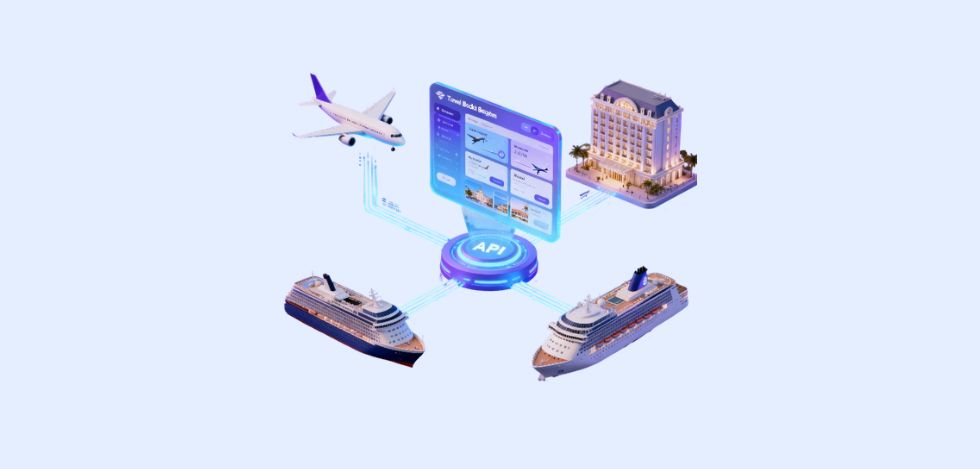

Running a hotel today is no longer just about rooms and reservations. It is about speed, coordination, accuracy, and guest expectations that change faster than most teams can manually keep up with. Many hotels still rely on spreadsheets, disconnected tools, or legacy software that slows down operations and creates blind spots across departments.
This is where understanding the advantages of PMS in hotel management becomes critical. A Property Management System is not a trend or a luxury. It is now a core operational layer that connects front desk, reservations, housekeeping, billing, and guest data into one working system. Hotels that delay this shift often struggle with inefficiencies that directly impact revenue, reviews, and staff workload.
A modern hotel PMS helps hotels operate faster, reduce manual errors, improve guest experience, and make better decisions using real data. It centralizes bookings, automates front desk tasks, connects departments, and supports growth without increasing operational chaos.
What Is a Property Management System in Hotels
A Property Management System is the central software used to run daily hotel operations. It acts as the operational backbone of the property.
At its core, a PMS manages
Room inventory and availability
Reservations from all channels
Front desk check in and check out
Housekeeping status and coordination
Billing, invoicing, and payments
Guest profiles and stay history
Operational reports and performance metrics
For small hotels, it replaces manual processes. For growing properties and groups, it ensures consistency and control across locations.
Why PMS Matters More in 2026
Guest journeys are now digital first. Bookings happen across multiple platforms. Guests expect instant confirmations, flexible check in, mobile communication, and personalized service.
At the same time, hotels face higher labor costs, tighter margins, and increased competition from global booking platforms.
A PMS helps hotels
Operate with smaller teams
Reduce dependency on manual processes
Respond faster to guest requests by standardizing how departments receive and complete tasks through hotel concierge service workflows instead of ad hoc calls and messages.Maintain control across sales channels
Scale without operational breakdown
Without a PMS, hotels often rely on workarounds that create long term inefficiencies.
Key Advantages of PMS in Hotel Management
Faster and More Accurate Front Office Operations
The front desk is where operational pressure is highest. A PMS automates room assignment, availability checks, guest profiles, and billing workflows.
Instead of switching between tools, staff work from one system. This reduces check in time, avoids room assignment errors, and ensures guest preferences are visible at arrival.
Hotels using a dedicated hotel check in system software typically see smoother arrivals and fewer front desk bottlenecks during peak hours.
Centralized Booking Control Across All Channels
Hotels sell rooms through direct websites, OTAs, B2B partners, and walk ins. Managing this manually often leads to overbookings and pricing inconsistencies.
A PMS centralizes all reservations into one dashboard. Availability updates automatically across channels, ensuring pricing and inventory remain aligned.
When combined with a hotel booking engine, hotels gain better control over direct bookings while maintaining OTA visibility.
Improved Guest Experience Through Personalization
Guest experience is no longer just about service quality. It is about relevance and recognition.
A PMS stores guest history, preferences, and past stays. This allows staff to personalize room allocation, amenities, and communication without relying on memory or notes.
Over time, this leads to higher guest satisfaction, stronger reviews, and increased repeat bookings.
Lower Operational Costs and Reduced Manual Work
Manual processes cost time and money. Reporting, billing reconciliation, housekeeping coordination, and night audits consume hours every day without a PMS.
Automation reduces administrative overhead and allows staff to focus on guest facing tasks. Even small properties benefit from fewer errors and less rework.
Hotels using integrated hotel management system software often report measurable reductions in manual workload within the first few months.
Real Time Reporting and Better Decisions
Without accurate data, hotel decisions are often reactive. A PMS provides real time visibility into occupancy, revenue, booking sources, and performance trends.
This allows managers to
Adjust pricing strategies
Identify high value channels
Forecast demand more accurately
Plan staffing based on actual occupancy
Better data leads to better decisions and fewer surprises.
Advantages of PMS for Small and Boutique Hotels
Small hotels often assume PMS systems are only for large chains. In reality, they benefit the most.
A PMS helps small properties
Avoid double bookings
Manage limited staff efficiently
Compete with larger brands
Maintain professional operations
Boutique hotels using structured hotel booking software gain enterprise level control without enterprise complexity.
Cloud Based PMS vs Manual Systems
Many hotels still rely on spreadsheets or disconnected tools. This creates delays, errors, and dependency on specific staff members.
Manual systems fail when
Staff changes occur
Occupancy spikes suddenly
Multiple channels are added
Remote access is needed
Cloud based PMS platforms allow access from anywhere, better security, and easier integration with booking systems and APIs.
How Hotels Usually Solve This Problem and Common Mistakes
Hotels typically follow one of three paths
They continue with manual processes until errors become costly
They adopt fragmented tools that do not integrate properly
They choose a PMS without understanding their real operational needs
Common mistakes include
Choosing based on price only
Ignoring integration capabilities
Overlooking reporting depth
Underestimating training and support needs
What works is selecting a PMS that fits the hotel size, booking mix, and growth plan.
How Hotels Manage Operations Without a PMS vs With a PMS
Most hotels do not fail because they lack effort. They fail because manual workflows break under real occupancy pressure. This side by side comparison shows what changes when a modern PMS replaces spreadsheets and disconnected tools.
| Feature area | Without a PMS | With a modern PMS |
|---|---|---|
| Front desk check in and check out | Slow check in, manual room assignment, frequent mistakes during rush | Faster check in, automated room assignment, fewer errors |
| Reservations and availability | Separate spreadsheets, delayed updates, higher risk of double bookings | Centralized reservations, real time availability, controlled inventory |
| OTA and channel management | Manual updates per channel, rate mismatches, overbookings | One dashboard view, synced rates, fewer conflicts |
| Guest profiles and preferences | Notes in emails or not tracked at all | Saved profiles, stay history, preferences visible at arrival |
| Housekeeping coordination | Calls and messages, delays in room status updates | Live room status, task assignments, cleaner coordination |
| Billing and payments | Manual invoices, missed charges, reconciliation headaches | Cleaner billing workflows, reduced leakage, easier reconciliation |
| Reporting and performance insights | End of day guesswork, delayed reports, limited visibility | Occupancy and revenue visibility, faster decisions, trend tracking |
| Staff workload and training | Depends on individual memory, inconsistent execution | Standard workflows, easier onboarding, consistent execution |
| Multi property control | Hard to standardize across locations | Central control and consistent SOPs across properties |
| Security and access control | Shared logins, weak controls, higher risk | Role based access, audit logs, tighter control |
| Scalability | More bookings equals more chaos and more headcount | Growth without operational breakdown |
Common mistakes hotels make when evaluating PMS options
- Choosing based on price only and ignoring integrations
- Buying a system that cannot handle the real booking mix OTA direct B2B
- Underestimating training and support requirements
- Accepting manual workarounds for housekeeping billing and reporting
- Not planning for growth and multi property needs
What actually works
Pick a PMS based on workflow fit and operational reality, not feature lists. The right choice aligns with your property type, staffing model, booking sources, and integration needs.
Where PHPTRAVELS Fits Naturally
Once hotels understand their operational needs, platform flexibility becomes important.
PHPTRAVELS offers modular hotel solutions designed for different business models including independent hotels, B2B sellers, and multi property operators. Its hotel module features support centralized management, booking control, and operational workflows without locking businesses into rigid systems.
Hotels that rely on global inventory benefit from hotels API booking system integrations while maintaining control over their own operations.
For properties working with wholesalers, integrations like Hotelbeds API XML integration simplify inventory access without operational complexity.
A mid sized city hotel operating with manual tools struggled during peak seasons. Overbookings, delayed check ins, and reporting gaps affected guest reviews.
After adopting a centralized PMS with booking engine integration and API driven inventory, the hotel achieved
Faster check ins during peak hours
Consistent availability across channels
Improved staff efficiency
Better visibility into booking sources